Contacts

Bird Rock, St Kitts, St Kitts and Nevis, West Indies

info@lakehealthandwellbeing.com

+1 869 765 8702

Tag: women’s health

Coming Soon: Our Fibroids Self-Care Webinar Series
FibroidsNewsWomen's Health

Coming Soon: Our Fibroids Self-Care Webinar Series

We are so delighted to announce that we will be launching our fibroids self-care webinar series in the autumn. The aim of this series is to empower women affected by fibroids with information, knowledge and practical tips to take action to improve their health and wellbeing.

The series will include four webinars led by experts in the field of gynaecology, nutrition, exercise and mental health with a fifth session being an Our Stories session. In this final session attendees will hear from women who have conquered fibroids and will have the opportunity, if they wish, to share their own experiences. We will also explore challenges, useful tips and discuss solutions. Lake Health and Wellbeing will use this session to listen, understand the current experience of women with fibroids and work with attendees to explore how we can best support women with fibroids.

If you have fibroids, this webinar series will be perfect for you. It will give you the opportunity to meet other women with fibroids and provide you with access to experts in the field, all from the comfort of your home. This is not to be missed.

The webinars will be held every two months and there will be a small charge.

For more information and to register your interest, please contact us on events@lakehealthandwellbeing.com  or you can sign up to our fibroids mailing list here

More details will follow very soon.

Be Prepared. Period.

Disclosure: this post contains an affiliate link. Find out more here
My Life With Fibroids
BlogFibroidsMy Fibroid StoryWomen's Health

My Life With Fibroids

In today’s blog post we hear from Silvia who shares her experience with fibroids and explains why she started her blog, Life With Fibroids.

Well, let’s start off with a little bit about me. My name is Silvia and I am married to an amazing man who is so supportive and have an adorable dog who from time to time drives me nuts, but that is okay because I adore him.  I have fibroids and have been living with them for two years and have come to a place in my life where I want to share my story and my personal opinions and connect with others and learn about their stories as well.

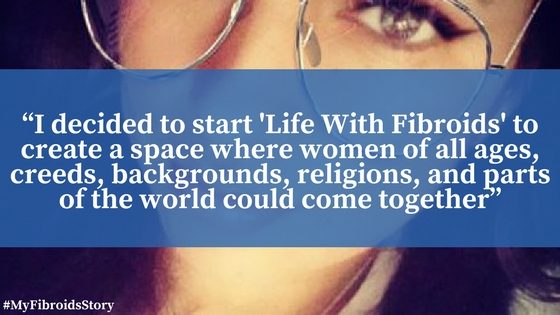
I was diagnosed with Uterine Fibroids two years ago officially but have lived with them for just about 6 years now and since then I have done a lot of research but there is still so much more to do, so in no way am I saying I am an expert and I am not a doctor.  I decided to start my website, Life with Fibroids,  to create a space where women of all ages, creeds, backgrounds, religions, and parts of the world could come together and know that having fibroids does not mean that you are alone. Although fibroids is very common it is crazy to think that it is not a very talked about subject for most women and there is really no place to connect with others and ask how they are living with it and going through life with this. I was diagnosed with Uterine Fibroids two ago and they do affect my life they make me have the worst menstrual cycle of my life for example I have more bleeding and the first couple of days is so painful and the cramps sometimes can drop me to my knees. It hurts so much let me just say.

I guess, for me at least, that is the biggest inconvenience and it is so crazy to think that they can develop like they did for me because of the fact that your body can produce too much oestrogen and they can grow over time as well and can cause other problems like infertility if they block the Fallopian tubes and get in the way of implantation but to know that it is on a case by case situation and if you come to find out  that you have them and are worried about that then I would definitely set up an appointment with your doctor and get your situation checked. I did and thankfully they are not going to stop me from getting pregnant but I think for the best option since they have gotten bigger is to get them removed before we try for a baby again since I have experienced a miscarriage due to fibroids and want to avoid any further complications due to fibroids, so that is another reason for me to write this post and try to reach out to those who are in the same situation and be an outstretched hand and let others know you are not alone and I am here for you. I guess I just want to help people share and get connected and help support each other because there are lots of stories like mine but there are also lots of stories that end up with a happy mommy and a happy baby, so like I said it is case by case and if I can help even one person then I think that writing this post and creating my blog, Life with Fibroids, is worth it.

Now let’s get a few things clear about fibroids first:

  1. Fibroids are not cancerous and from what I have come to learn not life threatening, so you can take that stress off your mind right now.
  2. What my doctor has come to teach me is that for every woman’s fibroids are different and can affect them in different ways and with fibroids especially the kind that I have which is Uterine Fibroids is always a case by case situation so in no way am I saying that I know everything about you and your situation so please feel free to write about your story and connect with others.
  3. Fibroids can happen anywhere in the body but the most common fibroid I have come to read about is Uterine Fibroids which is what I have.
  4. Even though many women have fibroids they can go their entire lives without knowing it due to having no symptoms and doctors not having any indication to look for them.
  5. Women who do have them and do have active symptoms can have a variety and cannot have their daily lives affected in any way and then there is the other side of the coin where women have their everyday life come to a standstill and cannot function and then of course there is the middle ground where you have good and bad days but nothing too drastic, which for the most part is where I fall, well for the most part anyway.
  6. My final point on this never-ending list is that for every woman with this diagnosis there is a story and it is different and each and everyone is valuable and important.

So with all that I have said again I just want to say that I created my blog, Life with Fibroids, as a place to connect and share your individual stories and remember that you are not alone and you are one of a kind and that you and I and everyone else living and not living with this is beautiful and amazing. Please feel free to visit my blog, share your stories and help me to connect with others from all over. Thanks for taking the time to read my post and even though I am not the most talented writer I want to share my story and hope that it can help at least one person out there. Thank you again for visiting and taking the time to read my post. At Life with Fibroids I do my best to keep everyone up to date on what is happening with me and my fibroids and try my best to keep it active and hopefully on-going. Have an awesome day and you rock!


Lake Health and Wellbeing  would like to say a big thank you to Silvia for sharing her experience with fibroids, we hope that through her experience you have gained some useful insight into this condition. You can find out more about Silvia at Life With Fibroids

If you have any questions or comments please do leave these in the comments section below. 

Be Prepared. Period.

Disclosure: this post contains an affiliate link. Find out more here
Eat Love Move with Le’Nise Brothers
BlogWomen's Health

Eat Love Move with Le’Nise Brothers

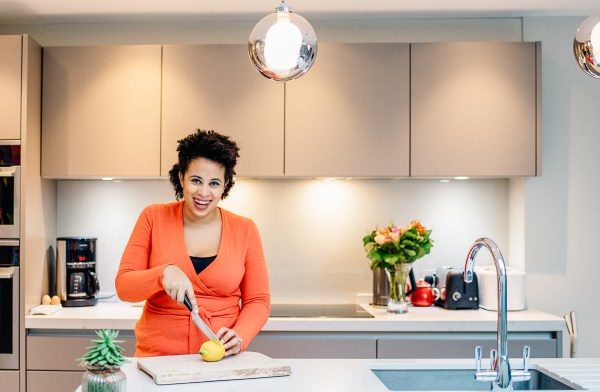
We first heard about Eat Love Move on the Secret Birds Podcast a couple of months ago when founder Le’Nise Brothers was interviewed about health, hormones and barriers.  We were really impressed with all the great work that Le’Nise is doing and it also piqued our interest because of the work we’ve been doing on fibroids, an area that Le’Nise focuses on too. We felt the services offered by Eat Love Move would be of interest to you, our readers, so in today’s blog we introduce you to their services.

Who Is Eat Love Move?

Eat Love Move is a business that focuses on women’s health and offers personalised hormonal health programmes and workshops. At the helm of the company is Le’Nise Brothers, a registered naturopathic Nutritional Therapist who specialises in women’s health, anxiety, depression and weight loss.

As a nutrition and wellbeing coach for women, Le’Nise’s mission is to help women understand and embrace their hormones and menstrual cycle and thus much of her work focuses on women who struggle with low energy, sugar cravings and hormonal issues such as PMS, PCOS, endometriosis, heavy & painful periods, fibroids, perimenopause and menopause.

“I’ve had a life-long interest in food – eating it, cooking it and sharing it. I slowly started to make the connection between what I was eating and how I was feeling and used diet and lifestyle changes to improve my anxiety, depression and irritable bowel syndrome.”  – Le’Nise Brothers

Le’Nise firmly believes in the power of food and she takes the time to understand her clients, their lifestyle and goals, and then designs nutrition and lifestyle programmes that are tailored to the individual.

Their Services

Eat Love Move’s services fall into three categories:

  • Personalised Health Programmes
  • Hormone Health Programmes
  • Workshops and Talks

Personalised Health Programmes – these are a minimum of 8 weeks long and are for women who have symptoms or health issues, are concerned about their family’s medical history or have been advised by their doctor to improve their diet.  A typical personalised health programme consists of the following:

  • Initial personal consultation including an in-depth health and lifestyle assessment
  • Personalised nutrition advice and supplement plan
  • Current medication and nutrient interaction evaluation, if applicable
  • Recommendations of clinical tests and interpretation, if applicable
  • Follow up consultations – face to face, skype, telephone
  • Mini progress review calls
  • Email support
  • Personalised menu planning and recipes

Hormone Health Programmes – Eat Love Move offers three programmes:

  1. Period Helper – this is a personalised programme that helps women with their periods and menstrual cycle so they enjoy life with no PMS or pain (yay!)
  2. Hormone Helper – this programme teaches women how to manage their hormones and stress, and how food can bring things back into balance.
  3. Menopause Helper – teaches women how to support their hormones and get a sense of balance so they feel better as they go into perimenopause and menopause

Workshops and Talks

Le’Nise is passionate about helping women learn more about how they can improve their health and wellbeing and regularly facilitates workshops and delivers talks covering a range of topics including meal planning, wellbeing in the workplace, self-care and hormone health.

More Information

For more information and to book a free 20 minute health and wellbeing review you can email hello@eatlovemove.com or visit their website

Eat Love Move offers Skype and FaceTime consultations so you can access their services from anywhere in the world, or if you’re based in London you can find Le’Nise at the Onebody Clinic in Chiswick on Tuesdays and Saturdays from 9 – 11am

Alternatively, you can join Eat Love Move’s private Facebook group, Embrace Your Hormones. It’s a private and positive space for women to ask questions about their hormones and menstrual cycle and get evidence-based information and support.

Be Prepared. Period.

Disclosure: this post contains an affiliate link. Find out more here
Is There a Link Between Fibroids and Endometriosis?
BlogFibroidsWomen's Health

Is There a Link Between Fibroids and Endometriosis?

Today we tackle a question that we are asked quite regularly at our fibroids events: ‘Is there a link between fibroids and endometriosis?’

To answer this question, we’re going to look at what research tells us, but first let’s start with a bit of background on endometriosis. You can find out about fibroids on our fibroids page here

What is Endometriosis?

Endometriosis occurs when cells similar to those that line a woman’s womb are found in other parts of the body like the ovaries, fallopian tubes, bladder and stomach. The problem with this is that the cells that line the womb have a specific function which is only appropriate in the womb. The cells that line the womb build up, break down and bleed every month during our period. In the womb the blood has an escape route (the vagina), but in endometriosis the blood from the womb-like cells don’t have an escape route, and this can cause pain, inflammation and scarring.

Endometriosis is a long-term condition that affects millions of women worldwide causing a range of symptoms, such as heavy and painful periods, back pain, constipation, infertility and more. Thus, it has a significant impact on a woman’s quality of life.

Is there a link between fibroids and endometriosis?

When we look at research that has been conducted in this area, there does seem to be a link between fibroids and endometriosis. Firstly, several studies have found that many women with fibroids also have endometriosis, but just how common it is to have both fibroids and endometriosis isn’t clear as it has varied between studies. For example, a study carried out in the US by a team in Stanford in 2010 found that 86% of patients with fibroids also had endometriosis, whilst in 1994 a team in Italy found that just 12% of women with fibroids had endometriosis. Furthermore, three other studies found that 87%, 21% and 28% of women with fibroids also had endometriosis.  So, it does vary from there being a very strong link (87%) to a relatively weak, but significant link (12%).

When we look at the biology of fibroids and endometriosis there is evidence of a link between these two conditions. It has been reported that fibroids and endometriosis have common biological abnormalities that contribute to the development of both conditions. Namely these are defects in molecules called 17B-hydroxysteroid dehydrogenase (involved in hormone regulation) and aromatase (involved in the production of oestrogen). Related to this it is thought that women with fibroids and/or endometriosis tend to have a hormone imbalance having excess amounts of oestrogen in the body which, in both conditions, causes growth of the abnormal cells.

Why is it important to know about this link?

It’s important for patients and doctors to be aware of the link between fibroids and endometriosis so patients can receive the most appropriate treatment. If there is no awareness that women with fibroids are likely to also have endometriosis, patients diagnosed fibroids will be treated for just their fibroids and their symptoms may persist which the doctor and patient may think is due to the treatment being ineffective, but the persistent symptoms could be due to undiagnosed endometriosis. Researchers from the Stanford Study therefore recommend that doctors explore whether their fibroids patients also have endometriosis. Their study did identify helpful clues to identify whether a patient with fibroids may have endometriosis. They found that women who were diagnosed fibroids were more likely to have endometriosis if they:

  • Had pelvic pain that was disproportionate to the size of their fibroids
  • Were infertile

Therefore a good starting point for doctors and patients wanting to explain persistent symptoms after fibroids treatment is to explore whether the two symptoms above are present as this could mean the patient has endometriosis. If we can pinpoint these patients early then steps can be taken to alleviate their symptoms and thus improve their quality of life.

More Information

For more information about endometriosis you can visit Endometriosis UK’s website and for more information about the link between fibroids and endometriosis you can check out the references below.


References

  1. Huang J.  et al. (2010). Coexistence of endometriosis in women with symptomatic leiomyomas. Fertil Steril, Volume 94(2), p 720.
  2. Nezhat C. et al. (2016). Strong Association Between Endometriosis and Symptomatic Leiomyomas. JSLS, Volume 20 (3).
  3. Maclaran K., Agarwal N. and Odejinmi. (2014). Co-existence of uterine myomas and endometriosis in women undergoing myomectomy: risk factors and surgical implications. J Minim Invasive Gynecol, Volume 21 (6), p 1086.
  4. Tanmahasamut P., Noothong S., SangaAreekul N., Silprasit K. and Dangrat C. (2014). Prevalence of endometriosis in women undergoing surgery for benign gynecologic diseases. J Med Assoc Thai, Volume 97 (2), p147.

Be Prepared. Period.

Disclosure: this post contains an affiliate link

About Our Fibroids Programme
Our Fibroids Programme

About Our Fibroids Programme

We are developing a fibroids awareness, information and support programme. The first phase of this work was to understand the needs of women with fibroids and we achieved this by conducting some qualitative research.

The research project explored four areas:
· The level of knowledge of fibroids prior to diagnosis
· Treatment and diagnosis
· The effect of fibroids and its treatment on quality of life
· The availability of support and information

The findings from our work suggested that a significant number of women with fibroids do not have access to the support and information that they require to successfully manage their condition. You can read more about the findings on our blog here or download the full report here: Fibroids_Survey_Summary_Final

The findings of this survey are informing the direction of our work and since the publication of our report we have:

You can keep up-to-date on all our work in this area by signing up to our fibroids mailing list below:

Fibroids Campaign Launches for International Women’s Day
Press Releases

Fibroids Campaign Launches for International Women’s Day

For Immediate Release

2nd March 2018

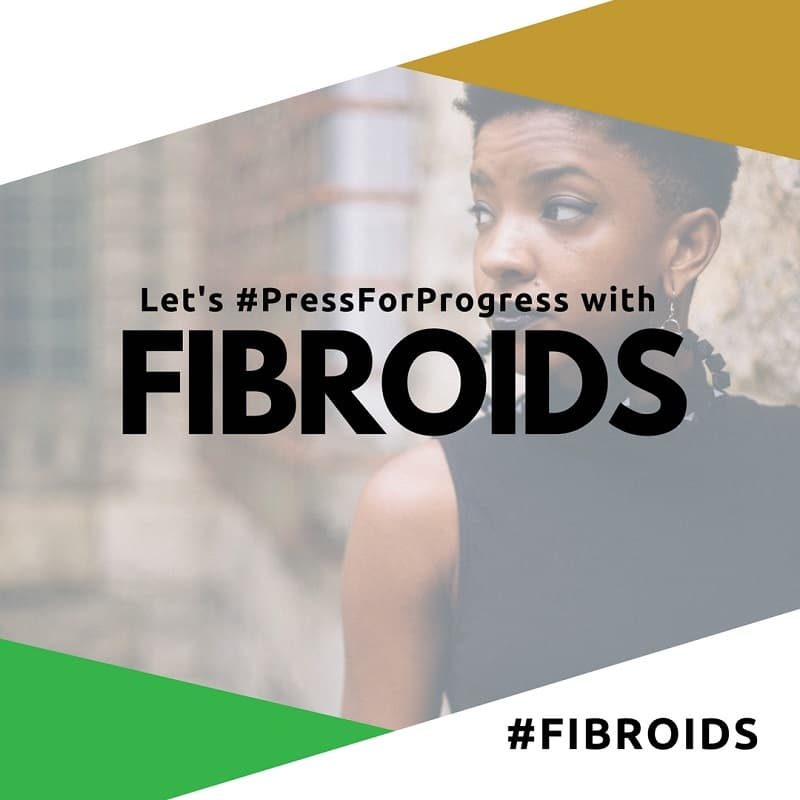
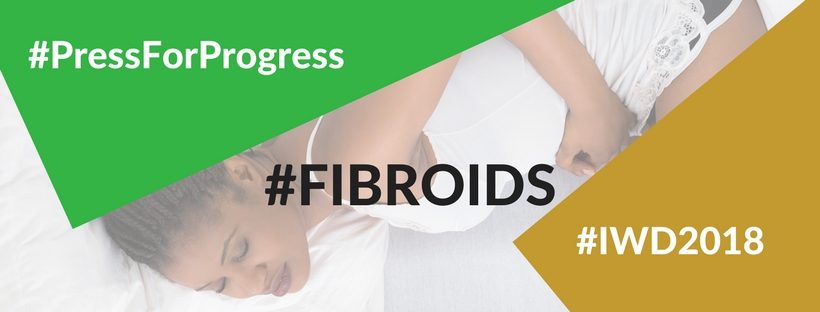
Basseterre, St Kitts -This year the global theme for International Women’s Day on 8th March is #PressForProgress and Noire Wellness and Lake Health and Wellbeing are calling for progress to be made to improve the experience of women with fibroids.

This initiative has been designed to raise awareness of key areas that need focus if there is to be equality in healthcare. Noire Wellness and Lake Health and Wellbeing are calling for:

  • Breakthrough research into fibroids and ethnicity
  • Patient insight on the impact of diet and exercise on fibroids
  • A commitment to professional excellence when caring for women with a family history of fibroids and symptoms associated with fibroids
  • Global and local support networks to ensure that women with fibroids never feel isolated
  • Greater awareness of fibroids, its symptoms and impact on women’s lives, particularly the psycho-social impact.

Despite fibroids being very common a survey conducted in the UK by Lake Health and Wellbeing showed that there is a low level of awareness of fibroids and women don’t feel equipped to make an informed decision about their treatment1. The survey revealed gaps in patient information on all aspects of fibroids and in the availability of peer support. Women also reported that fibroids affected their quality of life, affecting them both physically and emotionally.

Additionally, the UK’s All-Party Parliamentary Group on Women’s Health’s fibroids inquiry found that 43% of women were not satisfied with the information about their treatment choice and a third of women were not happy with their treatment2. Furthermore 40% of women were not told about the short-term complications of their treatment and 50% were not told about the long-term complications.

Research has shown that fibroids are more common in black women with an estimated 50-80% of black women affected3. In addition, black women are known to develop fibroids at a younger age, are more likely to develop larger, multiple fibroids, and tend to develop more severe symptoms4.  The reason for this is unknown, but it is thought to be a combination of genetic, environmental and lifestyle factors.

The experience of women with fibroids reveals an inequality in healthcare that needs to be addressed.  Noire Wellness and Lake Health and Wellbeing believe that because fibroids are a women’s issue: it affects predominantly an ethnic minority group: and it is not life-threatening, it has been overlooked. But, many women are suffering, and something needs to be done to ensure that women receive the attention, support and quality of care they deserve.

Candice Bryan of Noire Wellness says:

“In order to truly provide a better experience for women living with fibroids, we must acknowledge that health inequalities continue to have a detrimental impact on the quality of life for black women living with fibroids across the globe.  It is time to collaborate and press for progress to provide solutions.”

Whilst Abi Begho from Lake Health and Wellbeing said:

“For too long women with fibroids have been neglected and it’s time for society to step up and address this inequality. We need to ensure that women, particularly black women, with fibroids have easy access to accurate, reliable information, appropriate support and a high standard of care to improve their wellbeing.”

The campaign will utilise social media to highlight what needs to be done to improve the experience of women with fibroids. The public can get involved by using the hashtag #PressForProgress in the week leading up to International Women’s Day to tell everyone of the change that needs to occur. To help, organisers have created a briefing which is available HERE.

Ends

NOTES TO EDITORS

If you would like to write a feature or interview the team behind the campaign, please contact Abi Begho/Candice Bryan

For more information please contact Noire Wellness/Lake Health and Wellbeing  email candice@noirewellness.com and abi.begho@thelakefoundation.com .

The campaign launches on Thursday 1st March 2018.

ABOUT NOIRE WELLNESS

Noire Wellness is a wellness brand established in 2016 that aims to improve the health and well-being of African and Caribbean communities living in the UK through providing a range of evolving and enriching wellness experiences, nurturing the provision of community wellness hubs, community consultancy and a growing wellness network of professionals.

Website: www.noirewellness.com

Facebook: @noirewellness

Twitter: @noirewellness

ABOUT LAKE HEALTH AND WELLBEING

Lake Health and Wellbeing is a Caribbean based organization that aims to improve the health and wellbeing of the black community through research, public health interventions, giving patients a voice and raising awareness.

Website: www.lakehealthandwellbeing.com

Facebook: @lakehealthwellbeing

Twitter:  @lakehealthwell


References

  1. Lake Health and Wellbeing (formerly known as The Lake Foundation), (2014). Understanding the Needs of Women With Fibroids.
  2. All-Party Parliamentary Group of Women’s Health, (2017). Informed Choice? Giving Women Control of Their Healthcare.
  3. Wise L.  and Laughlin-Tommaso S. (2016). Epidemiology of Uterine Fibroids: From Menarche to Menopause. Clin Obstet Gynecol, Volume 59(1), p 2.
  4. Radmila S., et al.  (2016).  Epidemiology of Uterine Myomas: A Review. Int J Fertil Steril, Volume 9 (4), p 424.
Research Shows No Link Between Fibroids and Miscarriages
FibroidsNewsWomen's Health

Research Shows No Link Between Fibroids and Miscarriages

In the past it has been felt that fibroids may increase a woman’s risk of having a miscarriage, but two recent pieces of research should reassure women affected by fibroids who may be thinking of starting a family. Their work has shown that there is no link between fibroids and an increase in the risk of having a miscarriage.

Study on Fibroids and Miscarriage Risk by Women’s Health Research at Vanderbilt

Researchers at Women’s Health Research at Vanderbilt published their first piece of research in November 2017, although the data was made available in June. Their research was part of the Right from the Start study which explored how a women’s diet, health behaviours, medical history, fibroids and other factors may affect her pregnancy. It included 5, 512 women from eight cities in the US from 2000-2012 who were 18 or over and were either trying to get pregnant or were less than 12 weeks into their pregnancy.  During the course of  the study participants had an initial interview, an ultrasound scan, a telephone interview and a follow-up assessment.

They found that of the 5,512 women who took part in the study, 10.4% of them had at least one fibroid and 89.6% didn’t have fibroids. When they compared the rate of miscarriages in the group who had fibroids to the group of women who didn’t have fibroids, their rate was the same – 11%.

The researchers explained that other studies have reported a link between fibroids and miscarriages but this was because previous studies hadn’t taken into account other reasons for miscarriages.

To learn more about this work you can view their videos below.

The Women’s Health Research Centre at Vanderbilt published another study in November exploring the same issue – fibroids and miscarriage risk. They reviewed all research papers on this topic from January 1970 to December 2016 and vetted them, this gave them data from 21,829 pregnancies. Of these women 1,394 had fibroids and 20,435 did not. They carried out statistical analysis on this data and found that there was no difference in the rate of miscarriages in women with fibroids compared to women without fibroids.

Their team have put together a really useful infographic that explains their findings (please click on the image below to see a larger copy of it)

 What Does This Mean for Women with Fibroids?

As Prof Katherine Hartman stated in the above video, this is good news  as this is one less thing that women with fibroids have to worry about. Although she does caution that there may be rare types of fibroids or locations of fibroids that may cause a miscarriage but the risk is lower than previously thought.

Good News for the Caribbean on World AIDS Day
Blog

Good News for the Caribbean on World AIDS Day

Friday 1st December was World AIDS Day and this year’s theme was: ‘My health, my right’

This theme recognises the fact that many people living with HIV are denied their right to health. Their right to health includes access to good quality health services and medications and being treated with dignity and respect.

It was a particularly good day for the Caribbean as Anguilla, Antigua and Barbuda, Bermuda, the Cayman Islands, Montserrat and St Kitts and Nevis were certified by the World Health Organisation as having eliminated mother-to-child transmission of HIV and syphilis.  This follows the success of the Caribbean nation Cuba, in 2015, who became the first country in the world to achieve WHO certification for the elimination of mother-to-child transmission of HIV and syphilis.

This is fantastic news for the Caribbean where HIV is a significant public health challenge with 310,000 people living with HIV.  In 2007, it was estimated that 6,400 children in the region were infected with HIV, most of these through mother-to-child transmission. Children who are infected with HIV have a challenging start to life facing a life-time of medication, stigma, ill-health and possibly a shortened life span. With all this in mind, in 2010 the Regional Initiative for the Elimination of Mother-to-Child Transmission of HIV and Congenital Syphilis in Latin America and the Caribbean was launched.

This initiative is coordinated by the Pan-American Health Organisation and the United Nations Children Fund and its aim, at the time, was to eliminate mother-to-child transmission of HIV and congenital syphilis in all Caribbean countries and territories by 2015 and to reduce the transmission rate to 2%. Whilst only one country, Cuba, made the 2015 deadline and the transmission rate is above 2% (it’s now 9%, 52% less than in 2010) great progress has been made: since 2010 new infections in children have been reduced in the region by 52% and 74% of pregnant women with HIV now have access to anti-retroviral drugs which significantly reduces chances of passing on the virus to their children during pregnancy or breastfeeding.

The Caribbean should be very proud as it is ahead of the rest of the world and we hope that other Caribbean countries will follow the example set by these six Caribbean nations and put policies and procedures in place to eliminate the transmission of HIV from mother to child. This is very important in giving all children the best start in life and is a key step in the prevention HIV/AIDS in the Caribbean.

For more information on this work you can download the document below,  visit UNAIDS’ website here or watch the short video below.

World Diabetes Day: Women and Diabetes
BlogDiabetes

World Diabetes Day: Women and Diabetes

Every year, on 14th November, the world comes together to recognise World Diabetes Day.  Created by the International Diabetes Federation and the World Health Organisation in 1991 to address the escalating threat that diabetes poses, this is a day that aims to raise awareness by reaching a global audience. This year’s theme is: ‘Women and Diabetes – Our Right to a Healthy Future.’  ‘Why the focus on women?’  You may ask. The stats say it all.

Women and Diabetes

Currently there are over 199 million women living with diabetes throughout the world and research suggests that this could rise to a staggering 313 million women by 2040. Diabetes is the ninth leading cause of death in women with 2.1 million deaths per year being due to this condition.  Forty per cent of women with diabetes, around 60 million women, are of reproductive age. The complication here is that women with diabetes are more likely to have fertility problems and without access to pre-conception planning there is a higher risk of death and illness for both mother and child during pregnancy.

Additionally, one in seven pregnant women develop gestational diabetes. This is a type of diabetes that only develops during pregnancy. If it is not managed properly it can negatively affect both the expectant mother‘s and baby’s health.  In most cases, after pregnancy, gestational diabetes resolves on its own, but the mother is then at a higher risk of developing type two diabetes.

Finally, women with type 2 diabetes are ten times more likely to have coronary heart disease than  women who don’t have diabetes.

Due to these facts and figures there is a need to focus on women, raise awareness and ensure that health services are equipped to address the specific needs of women with regards to diabetes.

Black Women and Diabetes

Black women are at a significantly higher risk of developing diabetes than their white counterparts. In the US, diabetes affects 25% of black women in the 55 and over age group and it is the fourth leading cause of death in black American women of all ages.

Black women in the UK are also at increased risk of developing diabetes  and diabetes rates in the Caribbean and Africa are also high.

It is thought that the increased risk in black women is due to multiple factors including genetics and black women being more likely to have high blood pressure,  to be obese and be physically inactive.

What Can We Do?

Diabetes can be prevented by adopting a healthy lifestyle. We should endeavour to:

  • Maintain a healthy weight
  • Eat a healthy diet
  • Get active: it doesn’t have to be structured exercise, just anything that increases your heart rate such as gardening, brisk walking, dancing, cycling, playing with the kids

Let’s all spread the word about the prevention of diabetes so that we can stop more women, especially black women, from developing this condition.


References

International Diabetes Federation

American Diabetes Association. Diabetes in African American Communities Advocacy Fact Sheet.

Noire Wellness’ Fibroids Wellness Hub
FibroidsNewsNoire Wellness

Noire Wellness’ Fibroids Wellness Hub

After their successful 12-week, pop-up wellness hub last year, which was a health and fitness club, spa lounge and workshop zone all rolled into one, Noire Wellness will be hosting a fibroids wellness hub. This will be held on Sunday 26th November at Wiseworks and will cover a range of topics including diet, exercise and the emotional impact of fibroids.

The wellness hub aims to empower women affected by fibroids giving them the information and practical support that they need to improve their well-being.

Noire Wellness is an organisation that aims to improve the health and wellness of the African and African-Caribbean community through the offer of local wellness hubs, community consultancy services and a growing wellness business network.

You can book your place on EventBrite here and for more information about the fibroids wellness hub, please download their flyer below or email  info@noirewellness.com

You can find out more about Noire Wellness by following them on Twitter, liking their page on Facebook or signing up to their newsletter here