


Contacts

Bird Rock, St Kitts, St Kitts and Nevis, West Indies

info@lakehealthandwellbeing.com

+1 869 765 8702

Tag: women’s health

World Diabetes Day: Women and Diabetes
BlogDiabetes

World Diabetes Day: Women and Diabetes

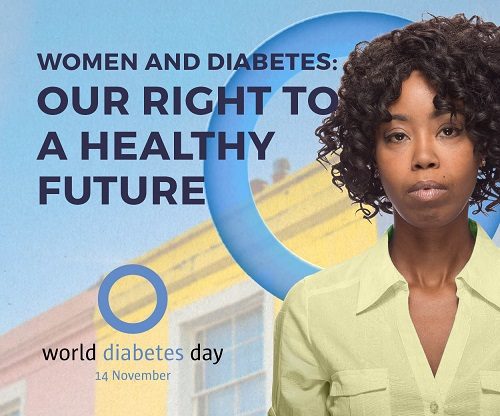
Every year, on 14th November, the world comes together to recognise World Diabetes Day.  Created by the International Diabetes Federation and the World Health Organisation in 1991 to address the escalating threat that diabetes poses, this is a day that aims to raise awareness by reaching a global audience. This year’s theme is: ‘Women and Diabetes – Our Right to a Healthy Future.’  ‘Why the focus on women?’  You may ask. The stats say it all.

Women and Diabetes

Currently there are over 199 million women living with diabetes throughout the world and research suggests that this could rise to a staggering 313 million women by 2040. Diabetes is the ninth leading cause of death in women with 2.1 million deaths per year being due to this condition.  Forty per cent of women with diabetes, around 60 million women, are of reproductive age. The complication here is that women with diabetes are more likely to have fertility problems and without access to pre-conception planning there is a higher risk of death and illness for both mother and child during pregnancy.

Additionally, one in seven pregnant women develop gestational diabetes. This is a type of diabetes that only develops during pregnancy. If it is not managed properly it can negatively affect both the expectant mother‘s and baby’s health.  In most cases, after pregnancy, gestational diabetes resolves on its own, but the mother is then at a higher risk of developing type two diabetes.

Finally, women with type 2 diabetes are ten times more likely to have coronary heart disease than  women who don’t have diabetes.

Due to these facts and figures there is a need to focus on women, raise awareness and ensure that health services are equipped to address the specific needs of women with regards to diabetes.

Black Women and Diabetes

Black women are at a significantly higher risk of developing diabetes than their white counterparts. In the US, diabetes affects 25% of black women in the 55 and over age group and it is the fourth leading cause of death in black American women of all ages.

Black women in the UK are also at increased risk of developing diabetes  and diabetes rates in the Caribbean and Africa are also high.

It is thought that the increased risk in black women is due to multiple factors including genetics and black women being more likely to have high blood pressure,  to be obese and be physically inactive.

What Can We Do?

Diabetes can be prevented by adopting a healthy lifestyle. We should endeavour to:

  • Maintain a healthy weight
  • Eat a healthy diet
  • Get active: it doesn’t have to be structured exercise, just anything that increases your heart rate such as gardening, brisk walking, dancing, cycling, playing with the kids

Let’s all spread the word about the prevention of diabetes so that we can stop more women, especially black women, from developing this condition.


References

International Diabetes Federation

American Diabetes Association. Diabetes in African American Communities Advocacy Fact Sheet.

Noire Wellness’ Fibroids Wellness Hub
FibroidsNewsNoire Wellness

Noire Wellness’ Fibroids Wellness Hub

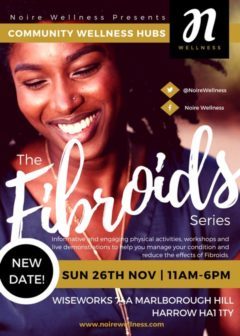
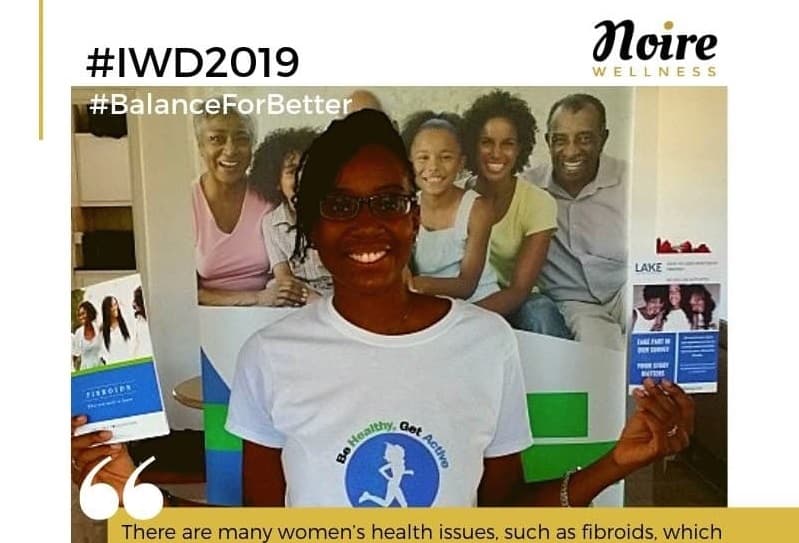
After their successful 12-week, pop-up wellness hub last year, which was a health and fitness club, spa lounge and workshop zone all rolled into one, Noire Wellness will be hosting a fibroids wellness hub. This will be held on Sunday 26th November at Wiseworks and will cover a range of topics including diet, exercise and the emotional impact of fibroids.

The wellness hub aims to empower women affected by fibroids giving them the information and practical support that they need to improve their well-being.

Noire Wellness is an organisation that aims to improve the health and wellness of the African and African-Caribbean community through the offer of local wellness hubs, community consultancy services and a growing wellness business network.

You can book your place on EventBrite here and for more information about the fibroids wellness hub, please download their flyer below or email  info@noirewellness.com

You can find out more about Noire Wellness by following them on Twitter, liking their page on Facebook or signing up to their newsletter here

“Has Anyone Used the Mooncup?”
BlogWomen's Health

“Has Anyone Used the Mooncup?”

At our recent Fibroid Focus conference an interesting question was raised: “Has anyone used the Mooncup?” There were a few blank stares, which came from us too, and then an attendee answered: “Yes, and it is so much better than tampons and pads.”

This little exchange got us thinking.

Many women with fibroids experience heavy prolonged periods meaning they use large quantities of pads and tampons. Over the last few years there has been quite a bit of focus on the chemicals in these products and this has raised concerns about possible health effects. This led to the formation of a number of companies who now manufacture organic feminine hygiene products to give women a natural alternative.

But are women with fibroids aware of all the options available when it comes to feminine hygiene products and are they aware of alternatives like the Mooncup (a menstrual cup made by Mooncup Ltd)? This is particularly important for women with fibroids, who are likely to need to use large quantities of pads and tampons, and may be concerned about their prolonged exposure to the chemicals in these products.

In this blog series we are going to introduce you to a selection of feminine hygiene products starting with the menstrual cup today.

What is a Menstrual Cup?

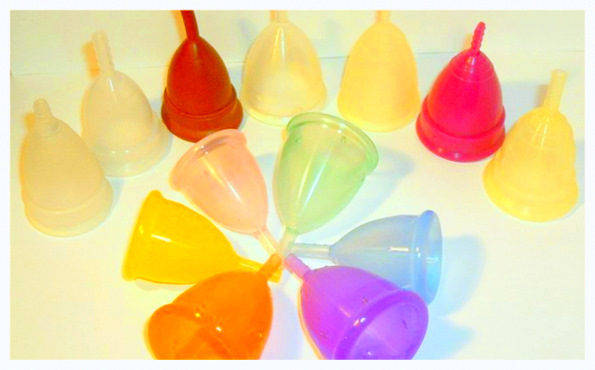
A menstrual cup is a small flexible cup usually made of silicone, but can also be made of rubber, that is inserted into the vagina and collects menstrual blood. Depending on the amount of flow the cup is removed every 4-8 hours, emptied, washed and reinserted. At the end of a woman’s period the cup can be sterilised and the same cup used again every month. The shelf life of menstrual cups is fairly long with manufacturers recommending that they be replaced, on average, every 5 years.

Many companies make menstrual cups and these include:

Are Menstrual Cups New?

The menstrual cup was invented by Leona Chalmers in the 1930s and she patented her design in 1935. So the menstrual cup is over 80 years old and has been used for decades.

Is it Safe to Use?

Research has shown that the cup is safe to use with only a very small number of issues reported.

There has been just one case of toxic shock syndrome linked to the use of a menstrual cup, making this a very rare occurrence.  Additionally, one research paper reported that a woman may have developed adenomyosis and endometriosis  after using a menstrual cup for four years and the Endometriosis Research Centre in the US has called for more research to determine if there is link between the use of the menstrual cup and endometriosis.

Several studies have shown that, provided the cup is used properly and is kept clean, the risk of infection is low.  Also, for those worried about allergic reactions the majority of cups are made from medical grade silicone and silicone sensitivity is very rare. For those with a latex allergy they just need to ensure that they use a cup that is made entirely of silicone and does not contain rubber.

The Benefits

There are many benefits of using a menstrual cup. These include:

  • Environmentally friendly – one cup can be used for 5 years which means there is less waste created than if tampons or pads are used
  • Cost effective – menstrual cups costs about £20 and last for up to 5 years so this works out much cheaper than pads which are estimated to cost about £80 per year and tampons about £43 per year.
  • No exposure to toxic chemicals – menstrual cups do not contain the bleaches, pesticides and other chemicals that the majority of pads and tampons contain
  • Doesn’t cause dryness –tampons and pads can cause vaginal dryness because they are made of absorbent material, the cup simply collects fluid and isn’t drying
  • Less leaks

The Drawbacks

There are some disadvantages associated with the menstrual cup:

  • Inserting and removing the cup can be challenging
  • Emptying the cup can be quite messy
  • Women with certain conditions may not find a cup that fits properly. This has been reported for women with a dropped uterus and certain types of fibroids
  • The cup needs to be kept clean to avoid infection so it requires some maintenance every month and needs to be sterilised after each cycle

Conclusion

If you’re looking for an alternative to tampons and pads a menstrual cup is an option you can explore. It may take some time to get used to it, but we recommend that you give it a few months before you make a judgement.