Contacts

Bird Rock, St Kitts, St Kitts and Nevis, West Indies

info@lakehealthandwellbeing.com

+1 869 765 8702

Tag: women’s health

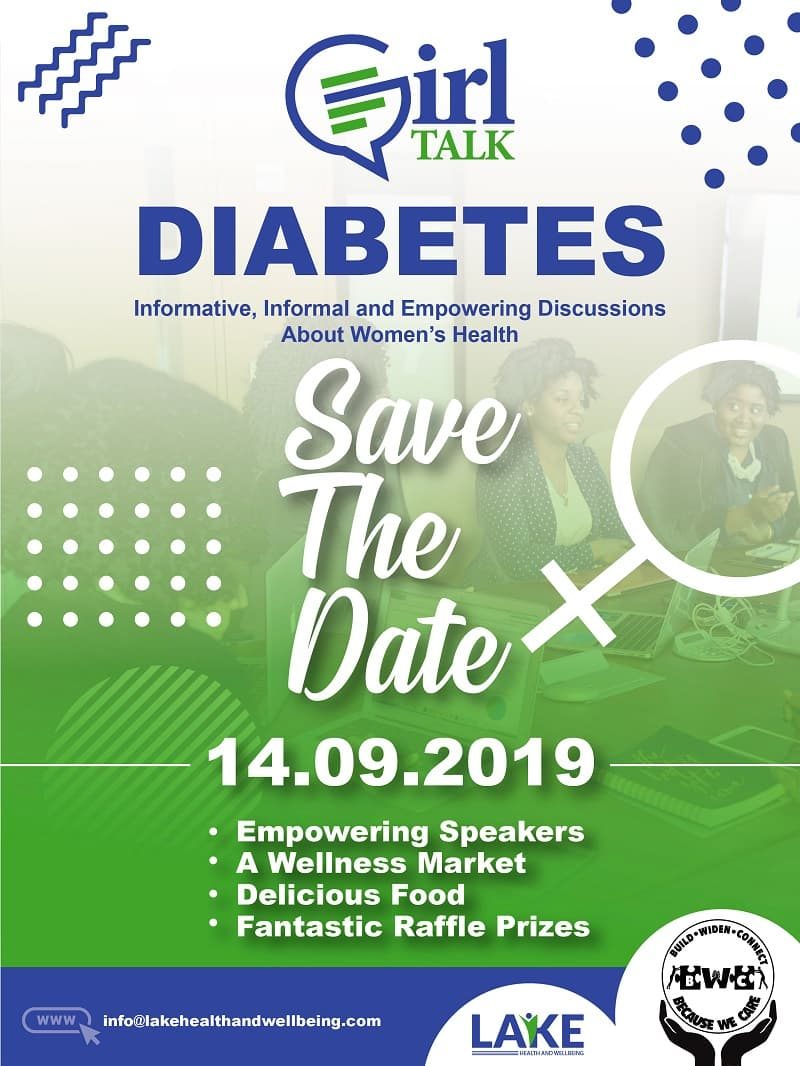
Save the Date: Our Women and Diabetes Event is on 14th September
BlogDiabetesWomen's Health

Save the Date: Our Women and Diabetes Event is on 14th September

We’re delighted to announce that we have once again teamed up with Because We Care to host another women’s health event in St Kitts.

Girl Talk: Diabetes will focus on women and diabetes and will take place on Saturday 14th September. We’ll be having a panel of excellent speakers covering topics such as:

  • An Introduction to Diabetes
  • Diabetes and its Complication
  • Living with Diabetes

We’ll also have a small wellness market featuring health, wellbeing and wellness brands, fantastic raffle prizes, free health checks, food and more!

More details to follow, so please stay tuned!

This event is the second event in this series. Our first event focused on fibroids and we had a great day learning more about fibroids and its impact on women. You can read about our previous event here

If you would like to join us for this event, you can register below and make the payment on the day ($90EC).

The information provided in the form below will enable us to contact you about the event regarding updates and important information. We will only use it for this purpose.

No Fields Found.

We look forward to seeing you on 14th September and if you have any questions, please email us or call 765 8702.

We Were Featured in Noire Wellness’ #BalanceForBetter Campaign
Blog

We Were Featured in Noire Wellness’ #BalanceForBetter Campaign

March was International Women’s Month, Women’s History Month and International Women’s Day, the perfect opportunity to put the spotlight on the pressing issues that women face every day.

International Women’s Day was on the 8th March and this year’s theme set the tone for the month.

This year’s theme was #BalanceForBetter and aimed to stress the importance of creating a gender-balanced world.

This campaign didn’t just begin and end in March but continues all year long. The team behind the  #BalanceForBetter theme is hoping that over the year society can work towards gender-balance in all sectors so that we can see more gender-balanced boardrooms, governments, media coverage, wealth, businesses and more.

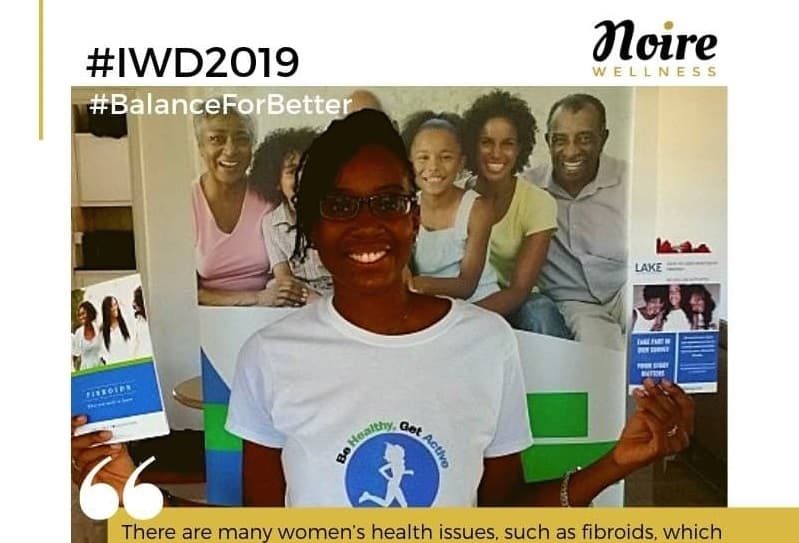
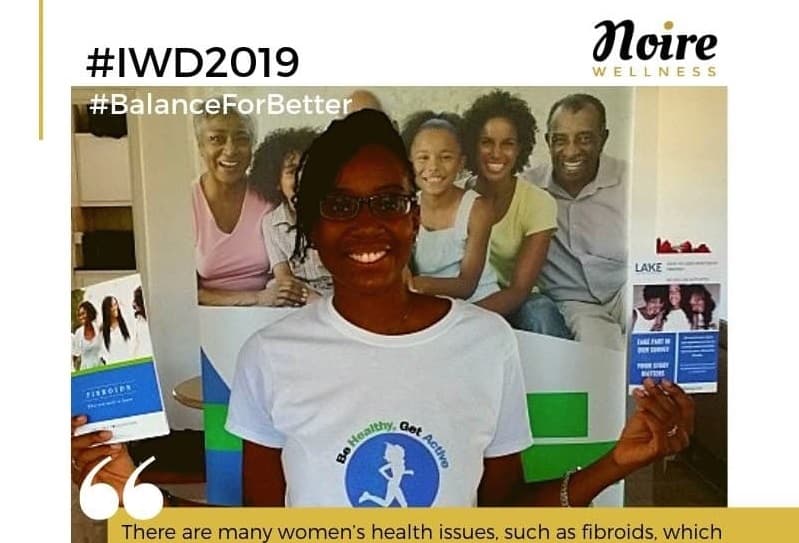
Since March, organisations throughout the world have launched their own #BalanceForBetter campaigns to either explore what needs to be done to create a more gender-balanced world or to showcase women in various fields who are creating gender-balance through their work. One such organisation was Noire Wellness and we were delighted to have been featured in their campaign (thank you!).

Noire Wellness’ campaign focused on balance in the wellness sector. Their campaign featured women in this sector, showcased their work and explored what balance means to them.

We took the opportunity that this campaign presented to call for gender-balance in public health approaches.

Having spent the last few years slowly developing a fibroids health and wellbeing programme, we have seen first-hand the effect of not creating gender-balance in public health.

By not taking gender into account many health conditions, particularly gynaecological conditions,  are overlooked with their impact not being fully appreciated. This means that women with conditions like fibroids lack the information and support that they require to make informed decisions about their treatment, to improve their own health and wellbeing and navigate the many challenges that living with fibroids presents. Furthermore, there is a lack of research and a lack of understanding of the causes of fibroids.

We aren’t the only ones calling for a gender-balanced approach.

We recently attended a webinar on women and non-communicable diseases (NCDs)  and it was stressed that there needs to be a more gender-balanced approach to public health to avoid placing women at a disadvantage.  One of the speakers explained that when it comes to medical research the male body is well-known, most research is conducted on white men and data is simply (and with a false expectation) extrapolated to women.  This means there is no appreciation of the biological differences that exist between males and females and how this impacts health. The speaker stated that, for example, we now know that:

  • Women’s lungs are smaller than men’s which has an impact on women’s risks of developing lung diseases and the type of lung diseases that women develop
  • Women’s hearts are smaller
  • Women are more likely to develop a different form of bowel cancer
  • Women process alcohol differently

These gender differences, and others, have gone unnoticed by the medical profession and this has led to misdiagnosis and inappropriate treatment. This would not have been the case if there was a gender-balanced approach in the health sector.

More work is needed to address the gender imbalance that has been created in public health and medical research. By creating gender-balance in these areas we can begin to address the gender inequalities that exist and ensure that we can improve the health of all women.

We Host ‘Girl Talk: Fibroids’ in St Kitts
BlogFibroidsWomen's Health

We Host ‘Girl Talk: Fibroids’ in St Kitts

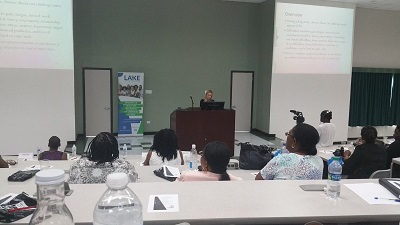
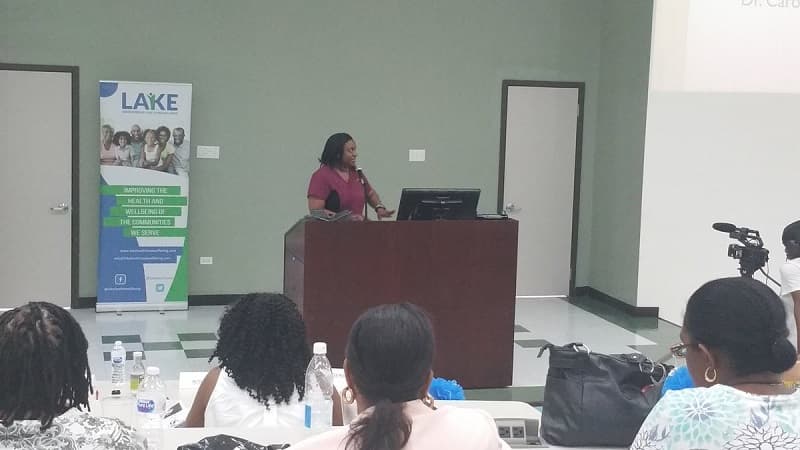
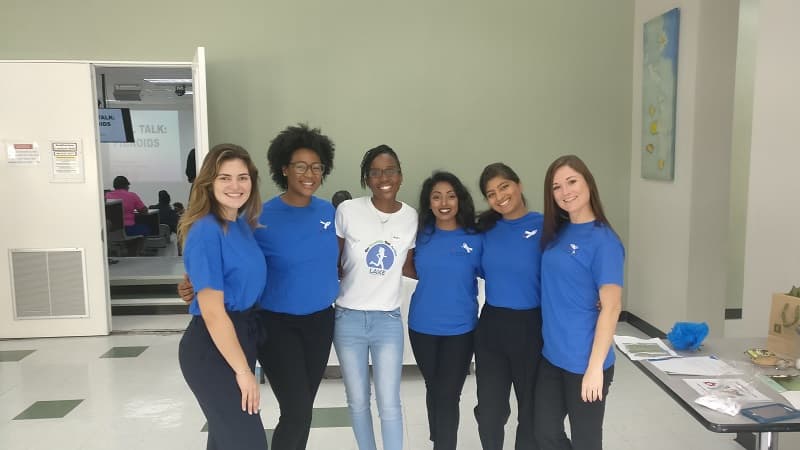
On 30th March, we were delighted to join forces with Because We Care to host our first Girl Talk event.

Girl Talk is our new event series that aims to provide a forum for informative, informal and empowering discussions about women’s health. We hope that these events will enable women to take control of their health and that of their families, and therefore build a stronger, healthier nation.

Our first event focused on fibroids. This is an area that is often overlooked leading to a lack of awareness, information, and support for those who have been affected. We want to correct that. We also want to overcome the stigma that can be associated with fibroids by creating a safe space to discuss fibroids, its impact on women and solutions.

We were delighted to have a panel of esteemed speakers covering various aspects of fibroids. Speakers included:

  • Dr Hazel Laws, Chief Medical Officer, St Kitts – Fibroids and Women’s Health in St Kitts
  • Dr Deborah Williams, Professor of Pathology – What Are Fibroids?
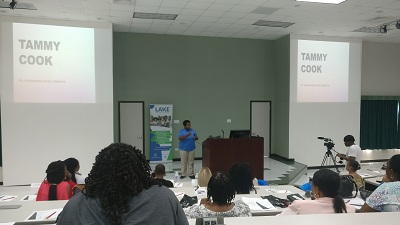
  • Tammy Cook – My Fibroids Story
  • Dr Lescott, Medical Doctor – Fibroids and Nutrition
  • Dr Pereira, Clinical Psychologist – Living well with fibroids and chronic illness
  • Dr Lawrence, Medical Doctor – The treatment of fibroids

We also had a small wellness market, fantastic raffle prizes and free health checks for all attendees.

 A Summary of the Day

 Fibroids and Women’s Health in St Kitts and Nevis

The event started with a presentation by Dr Hazel Laws who provided an overview of women’s health in St Kitts and Nevis.

Dr Laws explained that data suggests that women in the Federation are more likely to be affected by non-communicable diseases (NCDs) like cancer and diabetes, but the data may not be giving the full picture as it may be that women are more likely to visit their doctor and seek help than men, and this is what the data is reflecting.

Dr Laws also summarised some of the work that the Ministry of Health is doing to improve women’s health through projects like:

  • The ASSIST (Applying Science to Strengthen and Improve Systems) Project which is exploring improving the quality of care offered to pregnant women and children
  • WHIP (The Women’s Health Improvement Plan)

Then Dr Laws focused specifically on fibroids and explained that 78 women in St Kitts and Nevis had a surgical intervention for fibroids in 2018. Furthermore, anecdotal evidence collected from OBGYN specialists suggest that over 60% of 35-50-year-old women in St Kitts and Nevis have uterine fibroids with 30% of these women being symptomatic.

Based on this data, Dr Laws stated that fibroids should be raised as a public health concern especially as the lived experience of women with fibroids can be very challenging and very often women suffer in silence. She ended by saying that there is a need to educate women and improve access to care.

What Are Fibroids and their Impact on Women

Next on the agenda was Dr Williams who provided an overview of what fibroids are and touched on their impact on women.

Dr Williams raised some concern that there is little research being conducted on fibroids so the information available on the causes is very limited which then makes it hard for women to take steps to prevent or reduce their risk of developing fibroids.

In summarising the impact of fibroids on women, Dr Williams used data from the US which showed the following with respect to quality of life:

  • 28-40% of women with fibroids report missing work because of their symptoms
  • 25% reported that having fibroids prevented them from meeting their career potential
  • Black women with fibroids are 77% more likely to miss work than their white counterparts
  • 36% reduction in work productivity

Dr Williams explained that fibroids also affect self-image with research showing the following:

  • 68-88% of women feeling self-conscious or embarrassed about their stomach size and appearance
  • 22-51% stated that having fibroids had a negative influence on their femininity and sexuality
  • 44% reported painful intercourse
  • 60% reported a lack of interest in sex
  • 53% said it negatively impacted their relationship with their husband
  • 14-46% stated it affected their ability to take care of their home and children

Dr Williams ended her presentation by summarising the significant impact that fibroids have on women and society:

  • Fibroids present a significant burden for those affected
  • It has an enormous economic impact
  • Fibroids negatively affects work productivity, sexuality, self-image, relationships, social and emotional wellbeing
  • Black women and younger women are more affected by fibroids
  • Many women delay seeking treatment often for several years

Diet and Fibroids

We also heard from Dr Lescott who gave a presentation on diet and fibroids. Similar to Dr Williams, Dr Lescott also explained that there is limited research exploring this topic, but the limited amount  of data on diet and fibroids suggests the following:

  • Fibroids are more common in women who consume more red meat and alcohol
  • For women who drink at least one beer a day, there was a 50% increase in their risk of developing fibroids
  • Compounds from green tea may inhibit the growth of fibroids cells
  • Women who consume more citrus fruits are less likely to develop fibroids, possibly due to the presence of flavonoids in citrus fruits
  • Vitamin D was protective when it comes to fibroids
  • Vitamin A from animal sources are linked to the development of fibroids (not vitamin A from fruits and vegetables)

Living with Fibroids and Chronic Illness

Dr Pereira then covered a very important but often neglected topic – how to live with an ongoing illness like fibroids.

Many women with fibroids are forced to live with several uncomfortable symptoms, in some cases for many years. Dr Pereira explained that this can challenge many aspects of a woman’s life.

Some of the challenges that women may encounter include difficulties related to pain, fatigue, missed work, reproductive health issues, uncertainty, stress, anxiety, relationship and family difficulties, loss of self-confidence, financial issues and more. All these issues can be very hard to cope with.

Because complete eradication of the symptoms and effects of fibroids is not always possible, it is important that women learn strategies to cope. This can be achieved through cognitive behaviour therapy (CBT) which focuses on looking at how we think about certain situations in order to develop resilience so we can better deal with the challenges that are associated with living with fibroids.

Dr Pereira also demonstrated one simple CBT technique, relaxation breathing, which is used to reduce the symptoms of anxiety.

Treatment of Fibroids

We also heard from Dr Lawrence who gave an excellent presentation on the treatment of fibroids. Dr Lawrence explained that treatments included surgery e.g. (hysterectomy, myomectomy), medication to treat the symptoms or shrink the fibroids, non-surgical options (e.g. embolization) and MRI-guided procedures. Dr Lawrence explained that some of these procedures are not available in St Kitts and Nevis.

Dr Lawrence gave attendees the opportunity to ask any questions they had about fibroids, treatment and symptoms. This raised a number of interesting issues such as the challenges associated with having both sickle cell anaemia and anaemia related to fibroids, the struggle that many women have with making treatment decisions and fertility concerns.

My Fibroids Story

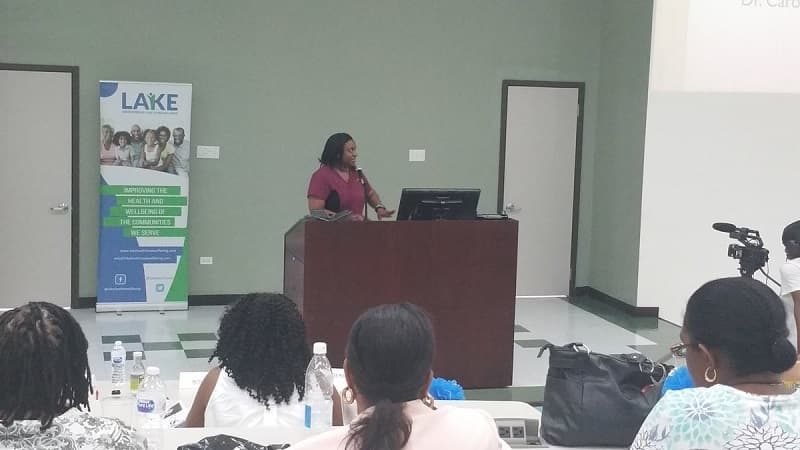
Tammy Cooke Girl Talk: Fibroids

In addition to the doctors who presented, we were grateful to Tammy Cook who delivered a powerful and moving talk about her personal experience with fibroids. Ms Cook bravely shared the many challenges she experienced and based on this experienced encouraged women to:

  • Get to know their bodies
  • Visit the doctor promptly if something doesn’t feel right
  • Get a second opinion if you’re not happy with your care.

Conclusion

The event ended with a short presentation from Abi Begho who summarised the day and explained what resources, information and support are available to women which included a self-management course which we’re hoping to organise in May specifically for women with fibroids.

Thank you!

We had a great day and would like to thank everyone who attended, asked questions, and shared their story.

We’d like to thank all the speakers for their thought-provoking, informative presentations and all the vendors – Mother Becky Bush Tea, Sugar Town Organics, Love the Skin You Wear, Pure Niceness By Winnielle and Rose Catering.

We’d also like to say a big thank you to the Chop Shop, the Emerald Mist Spa, Mother Becky Bush Tea, Love the Skin You Wear and Sugar Town Organics for donating lovely raffle prizes.

And, finally we’d like to thank the staff and students UMHS for all their support as we organised this event, we are very grateful.

More Information

For more information on fibroids, you can:

You can also keep up-to-date with our fibroids events and news by subscribing to our fibroids newsletter below.

Why We’re Focusing on Women’s Health in St Kitts and Nevis
BlogWomen's Health

Why We’re Focusing on Women’s Health in St Kitts and Nevis

Being a new organisation in St Kitts and Nevis and keen to make a positive contribution to improving the health and wellbeing of our community, over the past year we have been exploring the public health landscape in our Federation and started developing a strategy around the pressing issue of non-communicable diseases (NCDs) with a focus on childhood obesity and women’s health.

In today’s blog, we’ll be discussing our decision to tackle women’s health and in a future blog, we’ll explore childhood obesity.

Our decision to focus on women’s health was an evidence-based decision. Data from the Ministry of Health has demonstrated that women living in the Federation face a number of health challenges.  In St Kitts and Nevis, women are disproportionately affected by some NCDs. For example, 71% of diabetics in St Kitts and Nevis are women and 65% of cancer patients are women.

Non-communicable diseases are a significant issue for St Kitts and Nevis with 83% of deaths being due to these conditions. Driving the rise of non-communicable diseases is the high rate of overweight and obesity. In women, the rates are extremely high. Data has shown that 74% of females in St Kitts and Nevis are either overweight or obese.

We need to tackle these issues in order to improve the health and quality of life of women and prevent them from dying prematurely from diseases that are mostly preventable. Therefore, we are working towards developing a women’s health programme that will initially focus on awareness and education.

Our Plan

Over the next year, our plan is to host a series of women’s health events entitled ‘Girl Talk: Informative, Informal and Empowering Discussions About Women’s Health.’

These events will aim to inform and empower women enabling them to take control of their health and therefore not only improve their own health and wellbeing, but the health and wellbeing of their families, and by extension build a stronger, healthier nation.

The series began on 30th March 2019 with Girl Talk: Fibroids and following this there will be regular events covering a range of women’s health issues.

Healthcare professionals, particularly female healthcare professionals, will be invited to give engaging presentations on health topics, and women affected by conditions will be invited to share their experience and what they have learnt from it.

Additionally, we will invite health and wellbeing brands (particularly those owned by women) to showcase their services at each event so that women can have easy access to relevant services. We will also invite female medical students to take part in this event giving them relevant real-world experience of women’s health. We are pleased to have formed a partnership with Because We Care at the University of Medicine and Health Sciences to achieve this.

As well as covering the most common NCDs, we need to focus on providing support and information for women in St Kitts who are affected by women’s health issues that tend to be overlooked such as fibroids, endometriosis and PCOS.

Additionally, childhood obesity is another significant challenge with 1 in 3 children in the Caribbean being overweight or obese. In St Kitts, the statistics are more alarming with 46.9% of secondary school children being overweight or obese. Studies have shown that children who are overweight and obese tend to become adults who are overweight or obese, and this puts them at risk of developing NCDs like diabetes, cancer, heart disease and more.  We believe that women can play an instrumental role in tackling childhood obesity by creating a healthy environment for their children, our lecture series will educate mothers on easy, practical ways to do this.

The key objectives of our women’s health event series will be:

  1. To raise awareness of and create an understanding of women’s health issues to facilitate early detection and prevention
  2. To provide a safe, informal platform where women can come together, receive expert advice and have an honest open discussion about important health issues and therefore reduce isolation, stigma and create a support network for women.
  3. To empower women with the information to create a healthy lifestyle for themselves and their families to improve their general health and wellbeing

As mentioned previously our first Girl Talk event was on 30th March 2019 and we were so pleased with how it went. Look out for a future blog post summarising this event.

We are really excited about our strategy for the next couple of years and hope you’ll follow us on our journey.


References

  1. UNICEF, Situation Analysis of Children in the Federation of St Kitts and Nevis, UNICEF Office for the Eastern Caribbean Area and the Government of St Kitts and Nevis, Christ Church, Barbados, 2017
  2. PAHO, Health in the Americas, 2012: St Kitts and Nevis, PAHO, 2012
  3.  WHO, Diabetes Country Profile: St Kitts and Nevis, WHO, 2016
Interesting Video: How Uterine Fibroids Changed My Life
BlogFibroids

Interesting Video: How Uterine Fibroids Changed My Life

We recently came across the video below created by BuzzFeed which explores the experience of three women with fibroids. We thought it was an excellent exploration of the impact of fibroids.

Our Thoughts

These stories give viewers an insightful look at the impact of fibroids and highlighted some of the same issues raised in a recent book of short stories that we read, Invisible Not Imaginary by the Barbados Association of Endometriosis and PCOS.

The women bravely discuss heavy menstrual bleeding, anaemia, painful periods and their concerns about fertility.

As we watched the video, what struck us was the way in which all three women continued with their daily life despite their symptoms and seemed to almost normalise them until they could no longer bare it. The reason why they did this, as articulated by one of the women, was the expectation that women should pretty much ignore their own health and wellbeing, press on and continue with all their many obligations.

Another issue that was raised was recurrence, which is very common and can be quite frustrating for women who, after their initial surgery, will have moved on with their life and have put their experience of fibroids behind them. Having to deal with fibroids once more can be devastating.

The video ends with some useful tips and advice from each of the women based on their experience.  Participants encouraged women to:

  • Prioritise their health,
  • Seek help as soon as they notice symptoms that don’t seem right
  • Be informed about fibroids
  • Reach out to family and friends and talk about what you’re going through

Final Thoughts

We thought this video was a really effective way of raising awareness of fibroids and its impact. It identified areas that need to be addressed. These include the need for:

  • Greater awareness of the symptoms of fibroids
  • Greater awareness of what normal/abnormal periods are
  •  Less pressure to be placed on women to try to continue as normal when they feel unwell
  •  Research on whether  lifestyle changes may reduce a woman’s risk of having a recurrence after treatment
  • More research to understand the prevention of fibroids
  • More research to confirm the incidence and prevalence of fibroids, particularly in black women

More Information

For more information on fibroids, you can:

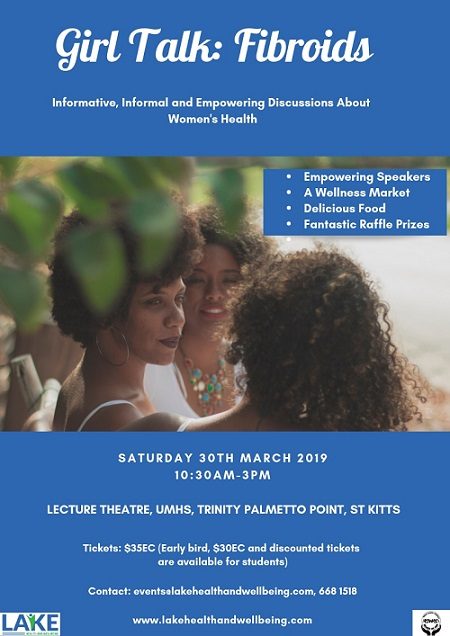
We’ll Be Hosting ‘Girl Talk: Fibroids’ on 30th March 2019
BlogFibroidsWomen's Health

We’ll Be Hosting ‘Girl Talk: Fibroids’ on 30th March 2019

Lake Health and Wellbeing is delighted to invite women in St Kitts and Nevis who have been affected by fibroids to attend our upcoming event ‘Girl Talk: Fibroids.’

We have teamed up with Because We Care, a student group at the University of Medicine and Health Sciences, to organise a new series of women’s health events  entitled ‘Girl Talk: Informal and Empowering Discussions on Women’s Health’

This first event in our series will focus on fibroids, a common but overlooked women’s health issue that is estimated to affect 80% of black women.

Girl Talk aims to overcome the stigma associated with fibroids by creating a safe space to discuss fibroids, its impact on women and solutions.

We’ll have a panel of esteemed speakers covering various aspects of fibroids, a wellness market featuring St Kitts’ leading health, wellbeing and wellness brands, fantastic raffle prizes, free health checks, food and more!

Confirmed Speakers

Confirmed speakers include:

  • Dr Hazel Laws, Chief Medical Officer, St Kitts – Fibroids and Women’s Health in St Kitts
  • Dr Deborah Williams, Professor of Pathology – What Are Fibroids?
  • Dr Lescott,  Medical Doctor – Fibroids and Nutrition
  • Dr Pereira, Clinical Psychologist –  Living well with fibroids and chronic illness
  • Dr Lawrence, Medical Doctor – The treatment of fibroids

Confirmed Vendors

We have some great organisations taking part in our Wellness Market. You can treat yourself to a range of products all aimed at improving your wellbeing.

Some of our confirmed vendors include:

Mother Becky Bush Tea – Mother Becky Bush Tea is named after owner Jermine Mike’s great grandmother who lived to be close to 100 years of age. Recognized as the matriarch of her community, Mother Becky hailed from a generation which drank bush tea daily. The Mother Becky Bush Tea brand aims to honor and revitalize the bush tea tradition of St. Kitts & Nevis and offer an authentic product to visitors and residents alike.


Sugar Town Organics – Sugar Town Organics is a natural products manufacturer and distributor that offers high end botanical beauty (Yaphene) and wellness (Flauriel) products featuring the finest natural Caribbean materials. With a commitment to ethical manufacturing and promoting environmental sustainability, good health and wellness, the firm is family-owned and employs all-natural methods that celebrate the host of rich ingredients plentiful throughout the region.


Pure Niceness by Winnielle – HANDCRAFTED on the island of St. Kitts amidst the natural wonders of the West Indian land, using all – natural, effective, aromatic, superior ingredients, sourced from the gifts of mother nature🍃and handmade with love and pure good vibes by island girl Winnielle. Her brand of hair and skin care promotes self-love, self-care, good vibes and a wellness lifestyle. SHOP Made in St. Kitts – Nevis, Shop Small… Experience Pure Niceness!


Love the Skin You Wear – Love the Skin You Wear offers a range of services designed to help you relax and focus on your total wellness, these include massages and facials. They also sell natural handmade hair and body products.


Prices

Join us this International Women’s Month on 30th March for this empowering and informative women’s health event.

Early bird tickets are just $30EC  for a regular ticket and $20EC for students.

You can book your place below and then pay at the event. Early bird tickets are available until 15th March 2019 so if you register before this date you’ll secure the early bird price, registrations after this date will be $35EC.

Registration Form

The information provided in the form below will enable us to contact you about the event regarding updates and important information.

No Fields Found.

We look forward to seeing you on 30th March and if you have any questions, please email  us or call 668 1518.

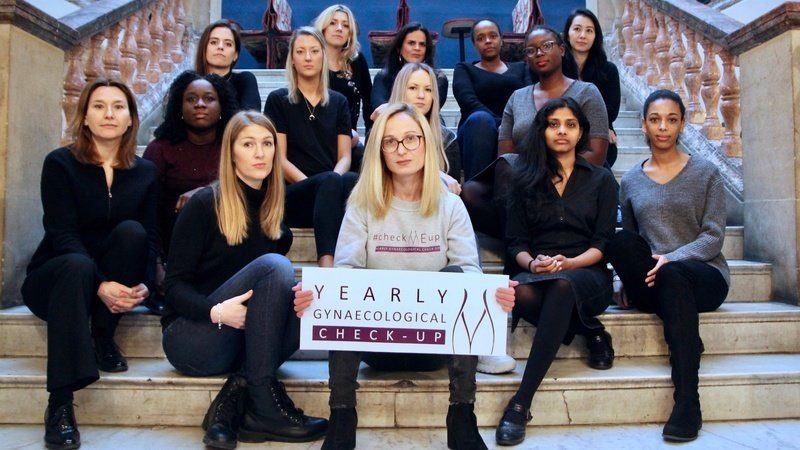
Campaign Calls For Yearly Gynaecological Check-ups for Every Woman in the UK
CancerNewsWomen's Health

Campaign Calls For Yearly Gynaecological Check-ups for Every Woman in the UK

Lake Health and Wellbeing is  happy to support Dafina Malovska’s campaign calling on the UK’s Department of Health to introduce annual gynaecological check-ups for every woman in the UK. We believe a policy like this will save many lives by enabling the early diagnosis of gynaecological cancers that have no screening programmes – ovarian, womb, vulval and vaginal cancers.

Also, annual check-ups can assist in the early diagnosis of a range of conditions that significantly affect women’s quality of life, such as fibroids and endometriosis.

You can show your support by signing Dafina’s petition here and please read the article below to find out more about this issue.


At the age of 35, Dafina Malovska was diagnosed with stage 2 womb cancer which had spread to her ovaries. Her only option, at the time, was to have a total hysterectomy (the removal of her womb and both ovaries) which sadly deprived her of having her own children and plunged her into an immediate surgical menopause.

Dafina was lucky that her cancer was diagnosed at a fairly early stage and she survived, but many women are not so lucky and are diagnosed at a late stage when it is too late for successful treatment.  The late diagnosis of these gynaecological cancers occur, in part, because there is no screening programme for most of these cancers.

Currently in the UK cervical cancer is the only gynaecological cancer with a screening programme and this has successfully reduced the incidence and mortality rates for cervical cancer.

Developing a cancer screening test is challenging and researchers across the world are working tirelessly to develop screening tests for those cancers that require one.  Until then, when it comes to womb, ovarian, vulval and vaginal cancers, women have to be aware of the signs and symptoms, but this can be problematic as it can be hard to identify symptoms as the symptoms of these types of cancers are similar to a range of other conditions which can lead to misdiagnosis.

For example, in February 2014, before Dafina was diagnosed with womb cancer she started experiencing extreme bloating and visited her doctor almost monthly. Eventually her symptoms were wrongly attributed to gluten-related bloating and by November of that year Dafina became very unwell while abroad and it was subsequently discovered that she had 14cm tumour weighing 500g .

If Dafina had access to an annual gynaecological check-up her tumour could have been discovered earlier before it had spread to her ovaries.

In many countries throughout the world, girls and women have annual gynaecological examinations and it’s important that the UK explores this approach as its survival rates for gynaecological cancers such as ovarian cancer are significantly lower than other countries’ rates.

Change is needed and you can make a difference by signing Dafina’s petition which appeals to the Secretary of State for Health, Matt Hancock MP, and the Minister for Women and Equality, Penny Mordaunt, to explore the introduction of annual gynaecological check-ups for women in the UK.

The first target for this petition is 10,000 signatures and her ultimate target is 100,000.  So far, Dafina has been able to secure 3,723 signatures. When her target is achieved, her petition will be presented to Matt Hancock and Penny Mordaunt.

Dafina would be very grateful if you could please sign, share and spread the word and for more information, you can follow her campaign on Instagram

OH Services’ Online Course Delves into the Emotional Impact of Fibroids
BlogFibroidsOH Services

OH Services’ Online Course Delves into the Emotional Impact of Fibroids

Back in 2013 we conducted a survey to understand the needs of women affected by fibroids. As we conducted this survey, we kept hearing very strong words and phrases describing how living with fibroids was affecting the mental health of women.

“I have hated life at times because of fibroids. I feel like I am being punished for something.”

“Depression from feeling that my only options were drugs or surgery”

“Fear of not being able to have children”

“Just a constant fear of what they could become”

As a result of this we started to explore this issue further by speaking to women who attended our fibroids awareness events and soon realised that this was a much wider problem. To compound this issue there was little information available, at the time, about the emotional impact of fibroids and no services to support women with fibroids in addressing these issues.

So, we decided to reach out to counsellor, Olivia Haltman, the founder of OH Services to speak at our Fibroid Focus event, a conference we held in 2016 for women with fibroids.

Olivia gave an excellent presentation that explored the emotional impact of fibroids explaining how fibroids can affect not just women’s physical health but their mental health too. The reaction from women after her presentation was profound, a stunned recognition that:

  • Other women feel the way I do
  • What I have been feeling isn’t trivial
  • Someone articulated exactly how I was feeling in a way that I never could
  • There is a way to address this aspect of my experience with fibroids

Following this event OH Services began work on developing their first 4-week online course on the emotional impact of fibroids. Not only was it a first for them but, to our knowledge, it is the first ever course on this topic. This course was launched in November 2018 and we had the pleasure of attending.

Over the 4 weeks OH Services created a safe space for women to come together to discuss the emotional impact of fibroids. As we listened to the discussion, we realised this was the first time that attendees were exploring this side of fibroids, and it was challenging. They were given the opportunity to reflect and explore their emotions and how these have been impacted by their experience with fibroids.

Ms Haltman explained with some clarity what specific emotions many women feel categorising them into the emotions that women may experience before and after a diagnosis, as well as some general emotions.

We learnt of the fear, anxiety and uncertainty that can occur in the lead up to a diagnosis which is particularly significant as many women with fibroids have symptoms weeks, months and sometimes years before receiving a confirmed diagnosis.

We also learnt of the emotional toll that managing symptoms such as pain, heavy bleeding and anaemia can have on a woman’s quality of life, affecting her personality, relationships, effectiveness at work and restricting the activities she can participate in.

Ms Haltman also described the difficulty of having to deal with treatment decisions, the potential of  a loss of fertility and the possibility of a recurrence after treatment.

The discussions during this course were insightful and thought-provoking and to ensure that participants made the most of each session, participants were given activities after each session to consolidate their learning.

The course ended on a positive note, one of hope and sisterhood with Ms Haltman taking participants through methods and techniques to address these emotions and start a self-development journey.

We really liked that the way this course was delivered. It was interactive and practical with participants being split up into groups to share experiences and explore specific topics. Also, the homework ensured that what was learnt in each session was explored further and applied immediately.

This course fills a huge gap and we believe it is much-needed so that women with fibroids have the support they need. Therefore, we highly recommend this course to anyone who has been affected by fibroids or is supporting a friend, family member or client with fibroids.

The next course starts on 6th March at 7pm UK time and you can register online here or for more information you can email ohservices@counsellor.com

More Resources and Information

Take Advantage of Early-Bird Registration for Our Fibroids and Exercise Webinar
BlogFibroids

Take Advantage of Early-Bird Registration for Our Fibroids and Exercise Webinar

Early-bird registration ends soon for our fibroids and exercise webinar, in just a few days!

This webinar will focus on ‘The Importance of Exercise, Relaxation and Me-Time. ‘ and will take place on Saturday 23rd February at 11am AST (that’s 3pm GMT or 10am US Eastern Time).

In this third webinar we are pleased to have as a guest speaker Candice Bryan, the Founder and CEO of Noire Wellness. Candice will discuss the impact that exercise, physical activity and stress have on fibroids and how you can take control, balance your hormones and alleviate your symptoms through exercise, relaxation and having a bit of me-time.

“If sport and physical activity were a drug, it would be regarded as a miracle.” ~ Professor Dame Sally Davies, Chief Medical Officer, Department of Health, UK

Discounted Early Bird Tickets Are Now Available

Early bird tickets for this webinar are available until 23rd Jan and are just $10 (about £8) and you can book your place and find out more here or make a quick payment below using your credit card.  After 23rd Jan tickets are $15 (about £11).

[asp_product id=”5820″]

Previous Webinar

Did you miss the first webinar in our series: Fibroids, Diet and Hormones with guest speaker Le’Nise Brothers,  Registered Nutritional Therapist and the Founder of Eat Love Move?

Have no fear, you can download and purchase the recording of this webinar for just $15 and you’ll have on-demand access to this in-depth session on fibroids, diet and hormones which guides you through the changes that you can make to improve your hormonal health and therefore alleviate the symptoms associated with fibroids. Find out more and download this webinar here

More Information 

We hope that you’ll join us on 23rd Feb  for this really interesting online event and if you have any questions, please don’t hesitate to get in touch with us at events@lakehealthandwellbeing.com and you can book your place here

Researchers in the UK Have Developed A Comprehensive Method of Predicting Breast Cancer Risk
CancerNewsWomen's Health

Researchers in the UK Have Developed A Comprehensive Method of Predicting Breast Cancer Risk

Cancer Research UK has reported that its scientists have developed a very comprehensive method of predicting a women’s risk of developing breast cancer.

This work was recently published in Genetics in Medicine where it was explained that by combining information on family history, genetics and other factors like weight, age at menopause, alcohol consumption and use of hormone replacement therapy, scientists are able to determine a woman’s breast cancer risk.

What makes their prediction more precise than previous methods is that researchers, for the first time, included 300 genetic indicators for breast cancer in their risk calculation.

This piece of work has led to the development of an online calculator that General Practitioners (GPs) in the UK can use in their surgeries. Currently this online  calculator is being tested by GPs, nurses and genetic counsellors before it is released nation-wide. The hope is that this tool will enable healthcare professionals to explore early detection and prevention strategies for women based on their risk and therefore improve survival rates for breast cancer.

Although this work is very exciting more work is needed, as expressed by lead author, Professor Antonis Antoniou, who said:

“It could be a game changer for breast cancer because now we can identify large numbers of women with different levels of risk – not just women who are at high risk.

This should help doctors to tailor the care they provide depending on their patients’ level of risk. For example, some women may need additional appointments with their doctor to discuss screening or prevention options and others may just need advice on their lifestyle and diet.

“We hope this means more people can be diagnosed early and survive their disease for longer, but more research and trials are needed before we will fully understand how this could be used.”

Additionally, Dr Richard Rope, Cancer Research UK’s GP expert warned that:

“Research like this is hugely exciting because in the future it will enable us to offer much more tailored care which will benefit patients and make best use of the services that we have available.

“Although having an increased risk of breast cancer means a woman is more likely to develop the disease – it’s by no means a certainty. A woman at high risk may never get breast cancer just as a woman at low risk still could. But any woman with concerns should speak to her GP to discuss the options.”

For more information on this work, you can read Cancer Research UK’s research paper here