Contacts

Bird Rock, St Kitts, St Kitts and Nevis, West Indies

info@lakehealthandwellbeing.com

+1 869 765 8702

Category: Health Policy

DianneKennedyHealthyFoodPolicyMarketing
BlogHealth Policy

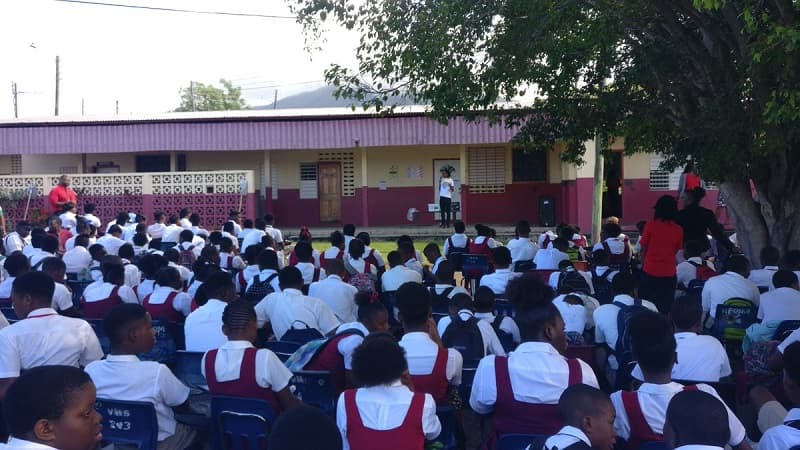
Good Policy Is Just the Beginning: Making School Food Rules Work for Caribbean Children

In today, blog post, Dianne Kennedy, a Child Nutrition Program and Operations Specialist explores creating healthy food environments in schools through policy.


PolicymakerPanel
BlogHealth Policy

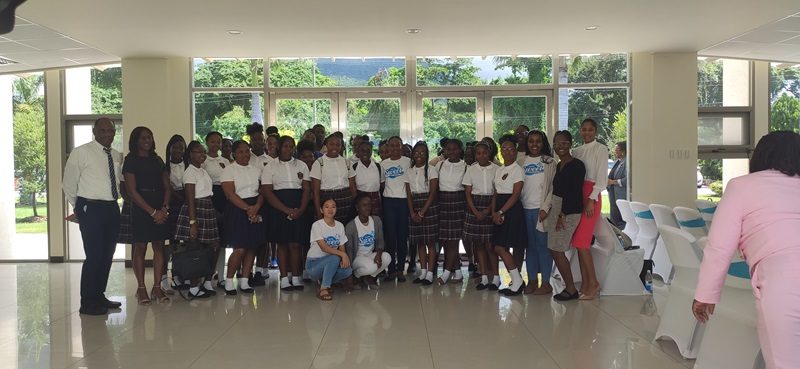
Reflections from Our Youth Health Policy Dialogue

We recently had the pleasure of hosting, in collaboration with the Ministry of Health, our Youth Health Policy Dialogue, an event that brought young people and policymakers together

WebinarPicture
BlogHealth Policy

Campaign Against Trans Fats in the Caribbean

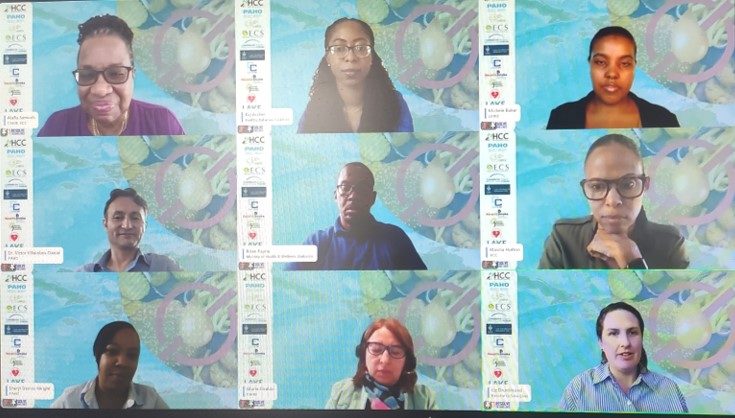
On 17th May 2024, our Advocacy and Research Officer, Michele Baker, had the distinct honour of joining a panel of global and regional stakeholders for an essential webinar hosted by the Healthy Caribbean Coalition. The focus of the event was the critical issue of eliminating industrially produced trans fats from foods in the Caribbean.

SweetTalkGroupShot
BlogHealth Policy

Sweet Talk Symposium Summary Video

We’re excited to unveil the summary video for The Sweet Talk Symposium, a groundbreaking event that took place on October 25th, 2023, in Nevis

SweetTalkSymposiumGroup
BlogHealth PolicyYou're Sweet Enough

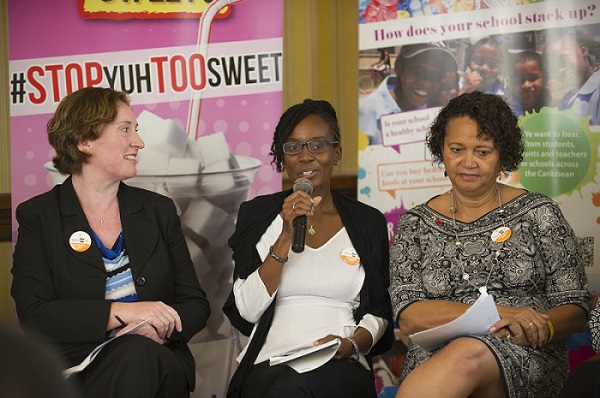
Sweet Talk Symposium

On October 25th, 2023, we hosted The Sweet Talk Symposium in Nevis, a youth-led initiative, which represented a significant milestone in the fight against Non-Communicable Diseases (NCDs).

FrontOfPack
BlogHealth Policy

Front-of-Package Warning Labels

In the quest for healthier dietary choices and improved well-being, the introduction of octagonal front-of-package warning labels emerges as a potent tool

YouAreSweetEnoughImage
BlogHealth PolicyYou're Sweet Enough

Healthy Drinking Habits Matter

t the heart of our “You’re Sweet Enough” campaign is a fervent advocacy for the adoption of healthy drinking habits, with a particular emphasis on the significance of water consumption

AGMeeting
BlogHealth PolicyYou're Sweet Enough

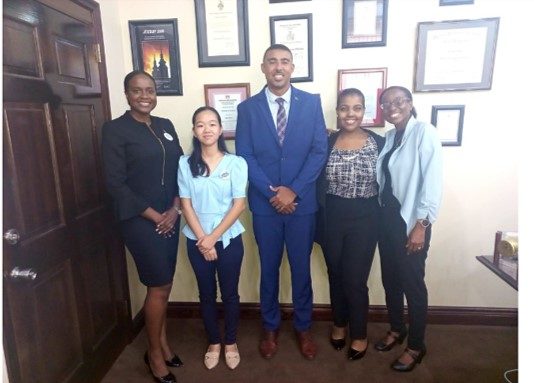
Meeting with the AG

We recently had the privilege of meeting with the Attorney General, Hon. Garth Wilkin, to discuss crucial policies and legislation aimed at preventing and controlling non-communicable diseases (NCDs)

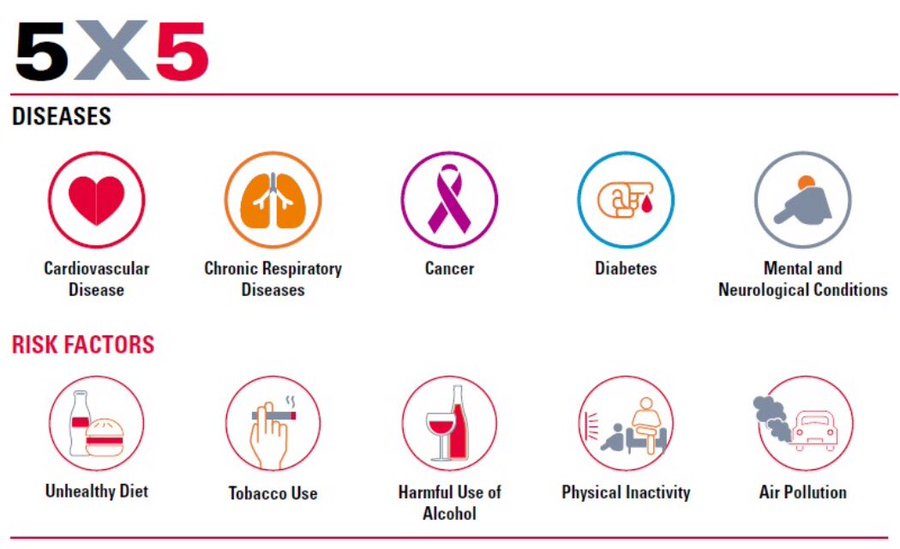
ModifiableRiskFactors
BlogHealth PolicyNon-Communicable Diseases (NCDs)You're Sweet Enough

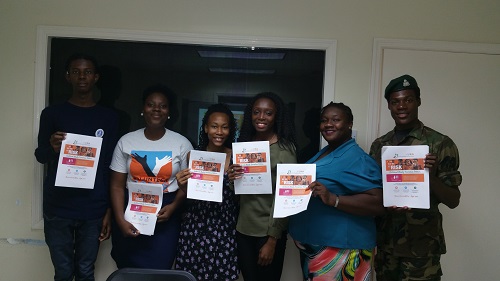
Global Week for Action on NCDs

The Global Week for Action on NCDs commences on September 14th 2023, uniting civil society organisations and individuals worldwide in a collective call to action for governments to address the pressing issue of Non-Communicable Diseases (NCDs),
CommonwealthFoundationCC
BlogEmpowHerHealth PolicyWomen's Health

UHC and Gender Equality

Universal Health Coverage (UHC) is a fundamental human right, which means that everyone should have access to essential health services without financial hardship. While some progress has been made in some parts of the world, gender inequality remains a significant barrier to achieving UHC. Women and girls face unique challenges when it comes to accessing healthcare, including discriminatory policies, social and cultural norms, and economic constraints.

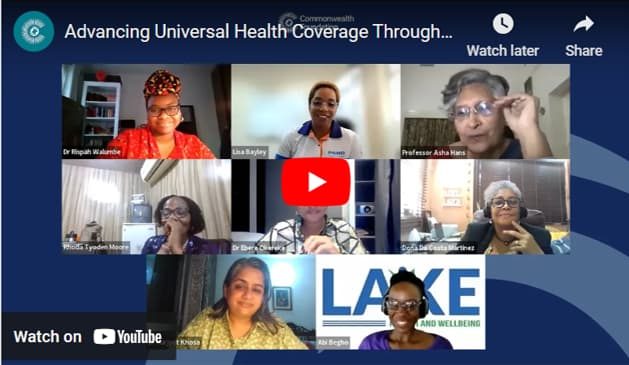
In February, the Commonwealth Foundation hosted a Roundtable discussion on Advancing Universal Health Coverage through Gender Equality. The event was attended by health experts and civil society leaders, including our Programme Director, Abi Begho. The event was an opportunity to discuss the importance of gender when introducing universal healthcare and to explore ways to make health systems more equitable and inclusive.

During the discussion, panellists shared insights on why gender-sensitive health policies matter, what policies make health systems more equitable and inclusive, and how to build adequate and resilient health systems that are efficient, accessible, and equitable. Civil society leaders working directly with communities on health access for women and girls also shared their experiences and provided valuable input.

One of the key takeaways from the Roundtable discussion was the need for gender-sensitive policies that address the specific health needs of women and girls. This includes policies that address reproductive health and maternal health, as well as policies that address the unique health needs of women at different stages of their lives, such as menopause and post-menopause.

Another key takeaway was the importance of building adequate and resilient health systems that are efficient, accessible, and equitable. This includes investing in health infrastructure, training and supporting health workers, and ensuring that essential medicines and supplies are available and affordable.

The discussion also highlighted the importance of involving civil society in the policymaking process to ensure that the needs and perspectives of women and girls are taken into account. Civil society organizations play a critical role in advocating for gender-sensitive policies and holding governments accountable for their commitments to UHC.

At the end of the discussion, participants had the opportunity to develop key policy asks that will go to Health Ministers and policymakers within and beyond the Commonwealth. This was an important step in ensuring that the voices of civil society are heard and that policies are developed with the needs of women and girls in mind.

In conclusion, the Commonwealth Foundation’s Roundtable discussion on Advancing Universal Health Coverage through Gender Equality was an important event that highlighted the need for gender-sensitive policies and equitable health systems. It was an honour to contribute to this conversation and to work alongside other health experts and civil society leaders to promote UHC for all. By working together and advocating for gender-sensitive policies, we can create a world where everyone has access to essential health services and can live healthy, fulfilling lives.