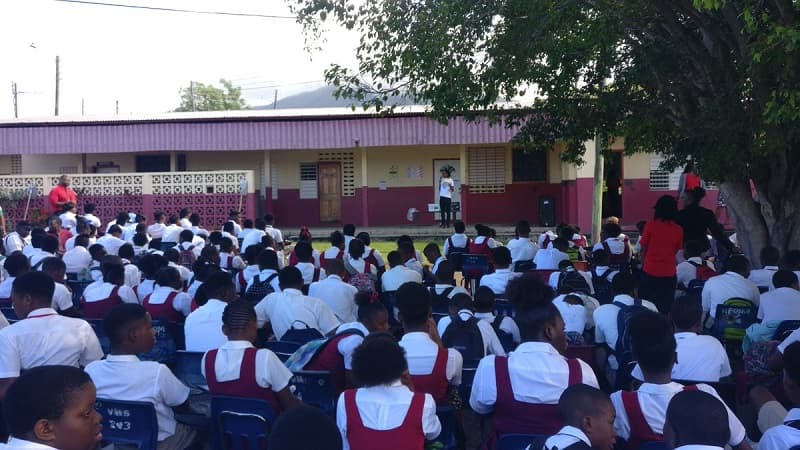
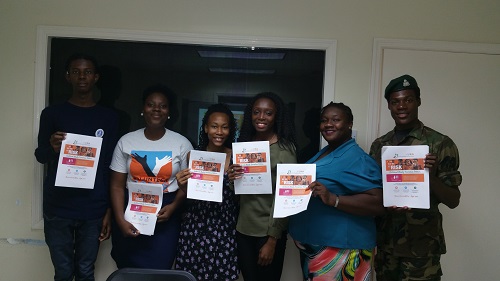
Across the Caribbean, children are being targeted every day by marketing, promotion of and sponsorships from ultra-processed food companies—often in the very spaces meant to support their health: schools.
Now, youth and civil society are saying: enough is enough.
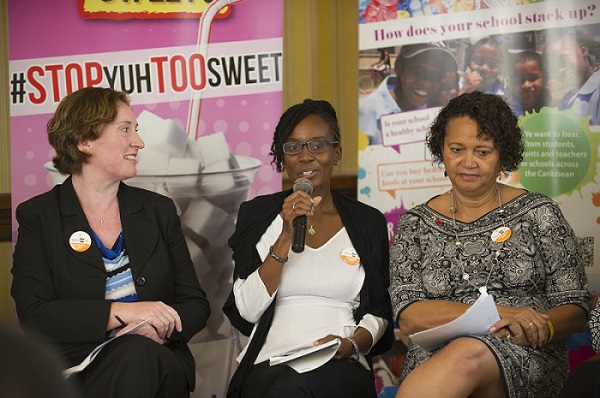
Members of the Healthy Caribbean Coalition (HCC), its youth arm Healthy Caribbean Youth (HCY) will lead “Hope for the Future 3.0” from May 28 to June 6, 2026 — a synchronized regional advocacy action calling for the ban on the marketing of ultra-processed foods in and around schools.
Marketing of ultra-processed foods to children shapes preferences, influences consumption, and normalizes unhealthy choices from an early age. In school environments, this exposure undermines efforts to promote healthy eating, contributes to rising rates of childhood overweight and obesity, and places children at increased risk of developing non-communicable diseases (NCDs) at an early stage in life.
Hope for the Future 3.0 aims to engage communities, raise awareness, and build visible public support for policies that protect children from harmful commercial influences. Activities will take place across Antigua and Barbuda, Barbados, Grenada, Jamaica, St. Kitts and Nevis, and Trinidad and Tobago, bringing together youth and civil society organisations in a unified regional call to action.
Across the Caribbean, children are being targeted every day by marketing, promotion of and sponsorships from ultra-processed food companies—often in the very spaces meant to support their health: schools.
Now, youth and civil society are saying: enough is enough.
Members of the Healthy Caribbean Coalition (HCC), its youth arm Healthy Caribbean Youth (HCY) will lead “Hope for the Future 3.0” from May 28 to June 6, 2026 — a synchronized regional advocacy action calling for the ban on the marketing of ultra-processed foods in and around schools.
Marketing of ultra-processed foods to children shapes preferences, influences consumption, and normalizes unhealthy choices from an early age. In school environments, this exposure undermines efforts to promote healthy eating, contributes to rising rates of childhood overweight and obesity, and places children at increased risk of developing non-communicable diseases (NCDs) at an early stage in life.
Hope for the Future 3.0 aims to engage communities, raise awareness, and build visible public support for policies that protect children from harmful commercial influences. Activities will take place across Antigua and Barbuda, Barbados, Grenada, Jamaica, St. Kitts and Nevis, and Trinidad and Tobago, bringing together youth and civil society organisations in a unified regional call to action.
Building Momentum for Policy Change
The initiative builds on previous Hope for the Future efforts (2024–2025), which demonstrated strong regional collaboration and youth leadership in advocating for healthier school food environments. This year’s focus on the ban of marketing of unhealthy food and drinks in schools, a key component of healthy school food environments, reflects growing recognition of the need to address the commercial determinants of health and safeguard children from harmful industry influence.
Looking Ahead
The outcomes of Hope for the Future 3.0—including increased public awareness and visible expressions of support for the need for the removal of marketing of unhealthy food and drinks—will contribute to ongoing regional and national efforts to strengthen school nutrition policies and protect future generations
Community members across Saint Kitts and Nevis are encouraged to stay informed and get involved in the initiative. Tune in to Youth Beat on June 3rd from 7:30 to 9:00 PM to hear regional professionals discuss Hope for the Future, the impacts of ultra-processed products and marketing to children, and the changes the initiative aims to advance.
A public engagement session will also take place on June 5th from 11:00 AM to 1:00 PM in Independence Square. Community members will have the opportunity to learn more about the campaign, share their perspectives, and sign a petition supporting the ban of ultra-processed products in schools.