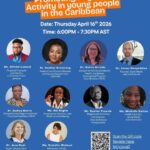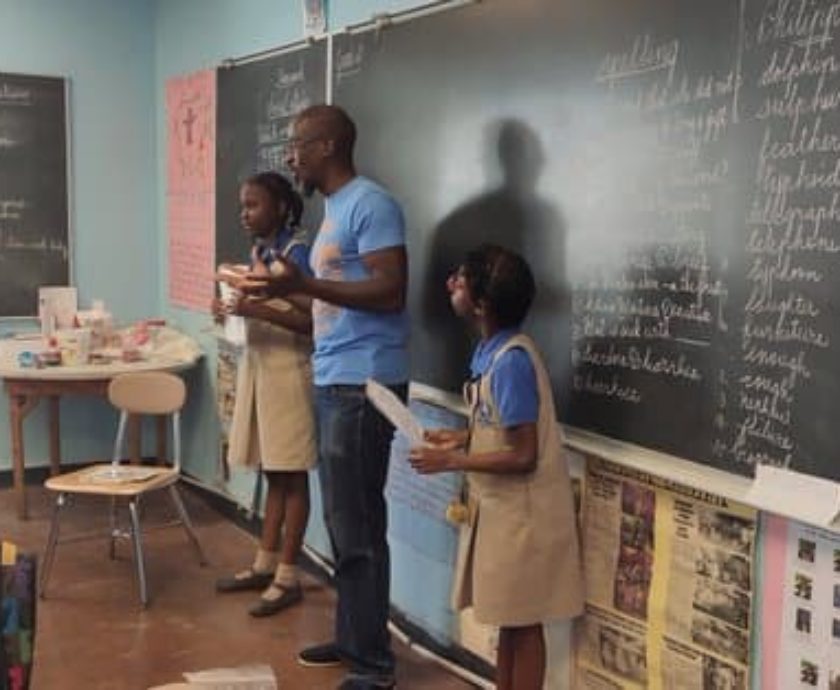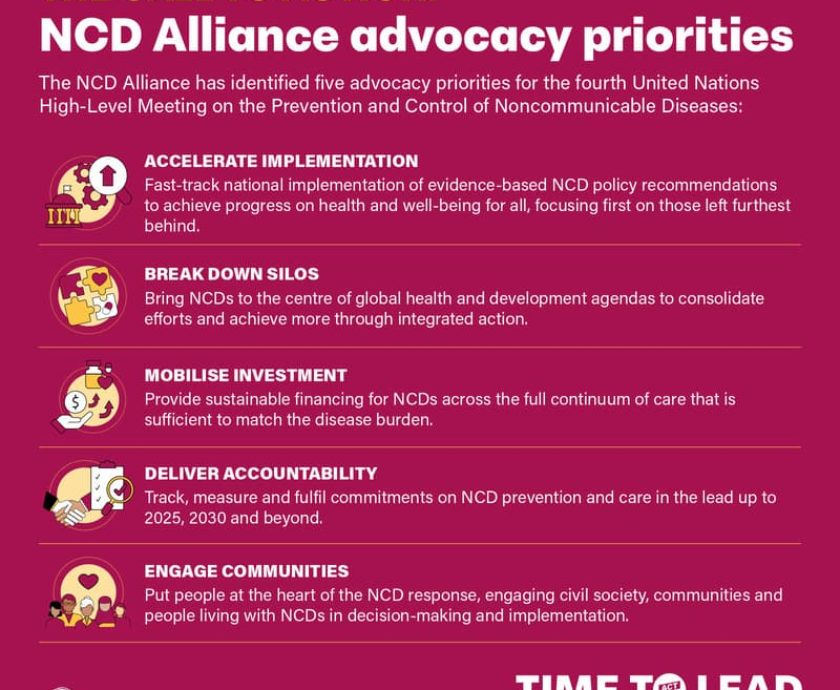
Today’s blog post comes from our intern, Dr Romina Arias-Uribe, an MPH-Preventive Medicine student at St George’s University, who is currently working on our Shake It Out physical activity project as part of her practicum. In this piece, Romina reflects on key insights from our recent webinar, Innovative Strategies to Promoting Physical Activity in Young People in the Caribbean, held in partnership with the Healthy Caribbean Coalition, CARPHA and PAHO. Romina highlights both the urgent challenges and promising opportunities to increase youth physical activity across the region.
Lately, youth physical activity in the Caribbean has been on my mind, especially after helping organize the Q&A for a recent regional webinar. We explored fresh ideas to get young people moving more. But the big question is still how to turn awareness into real action. Those of us in health care see the harmful effects of inactivity every day.
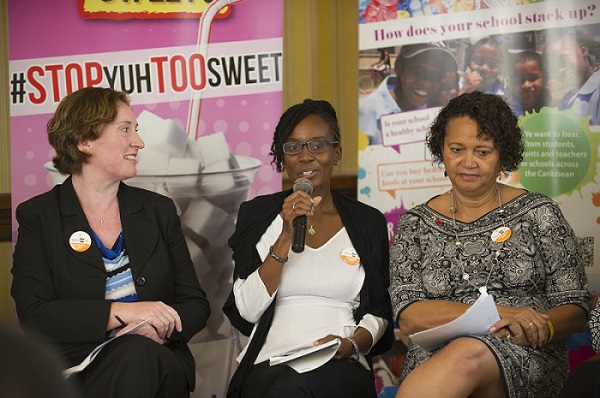
I was especially struck by the range of people who attended. Groups such as Lake Health and Wellbeing, the Healthy Caribbean Coalition, CARPHA, PAHO, and Healthy Caribbean Youth joined others from health, education, and community organizations. Everyone agreed that physical activity is vital for both physical and mental health, not just a personal choice. Speakers highlighted that this issue goes beyond individual habits. How we design our homes, cities, and schools affects whether our communities make it easy and safe to walk, cycle, or enjoy green spaces.
What the Data Tells Us
The statistics we discussed were concerning. In the Caribbean, one in three children is overweight or obese, which impacts their classrooms, communities, and futures. Preventable diseases linked to inactivity cause about 75% of deaths in the region. Globally, over 80% of young people do not get the recommended 60 minutes of moderate-to-vigorous physical activity each day. In the Americas, teenage girls are often less active than boys, and in some countries, this gap is growing. These numbers remind us to think about the real young people behind the data and the health systems they will need in the future.
Given these facts, one main takeaway from the webinar was that inactivity is mostly an environmental problem, not just about motivation. Speakers explained that we spend more time on screens, play less, sit more than we move, and use transport, which means we walk less. Many young people face barriers like a lack of safe spaces and digital distractions. Climate change also brings higher temperatures, making outdoor activity harder. In this situation, just telling teenagers to “exercise more” is not enough.
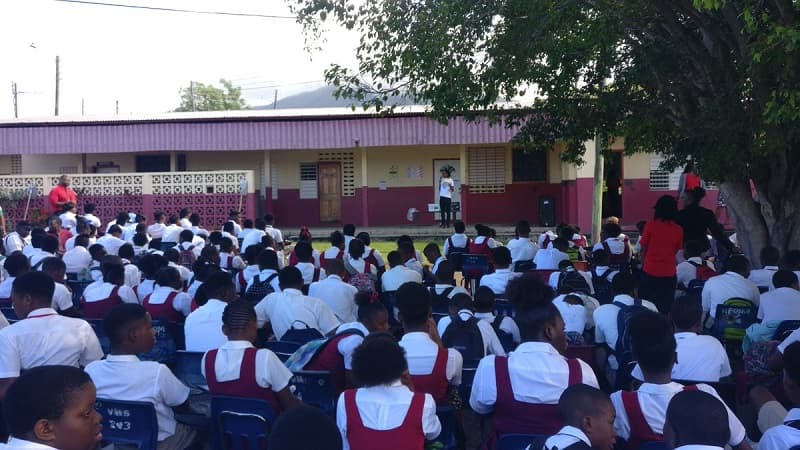
Schools play a big role in the solution. Presenters noted that schools have reached almost all children for years, regardless of background. Still, there are gaps. Most countries have some policies and community programs, but there is little information on how to promote physical activity through quality physical education. Real challenges include competing priorities, limited resources, and infrastructure. Gender matters too. Data showed that girls are less active, and speakers discussed how concerns about appearance, sweating, and what is considered appropriate for girls can discourage them from being active when it matters most.
From Policy to Practice
Another point raised was that the Caribbean already has some commitments. The WHO Global Action Plan on Physical Activity aims to reduce physical inactivity by 15% by 2030. Many countries in the region have national policies or strategies on non-communicable diseases that include physical activity and track teenagers’ levels of activity. Still, only about half have specific guidelines for children and teens, and only a few have built safe paths for walking and cycling. As one speaker said, policy alone is not enough; it only works when there is funding, action, training, and accountability.
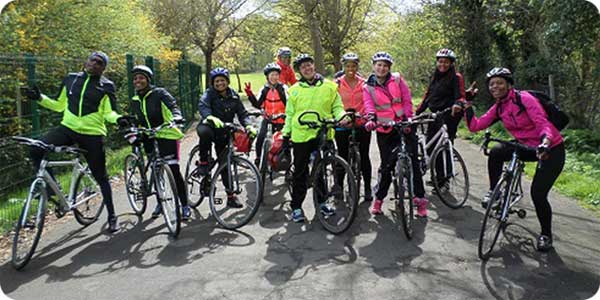
Despite these challenges, I felt encouraged by those who view movement as a design and systems issue. We heard about “Caribbean Moves,” a society-wide, gender-responsive model shaped by input from many member states and with being CARPHA the leading agency. It focuses on behavior-change communication, good governance, monitoring, and funding to make regular physical activity, healthy eating, and health checks easier. We also learned about creating supportive environments, community programs, using public spaces, and organizing walking and cycling events. There were ideas for climate-resilient, activity-friendly spaces, such as shaded walkways, green areas, and safe routes that help people stay active.
After the webinar, I felt both urgency and cautious optimism. The urgency comes from seeing childhood obesity, inactivity, and mental health trends getting worse. If we do not act, physical inactivity will likely continue to rise. But I am hopeful because we already have what we need for change: dedicated youth advocates, active civil society, regional and global support, and a shared understanding that physical activity links to education, transport, climate resilience, and community wellbeing.
Moving Forward
To move forward, we need to take clear action. The discussion summed it up in six words: mandate, invest, regulate, measure, finance, and inclusion. We should:
- Prioritise physical education and supportive environments.
- Invest in infrastructure, school and community programs, and skill-building.
- Set rules to protect people walking and cycling and ensure community spaces are safe.
- Track what matters so we can see progress.
- Fund physical activity as a key part of health and development, not just an extra. And make sure to include the voices of girls, young people with disabilities, and the communities most affected from the start.
Helping with the Q&A showed me that there is already a lot of creativity and commitment among practitioners, students, parents, and policymakers who shared thoughtful questions and practical ideas. Now, the challenge is clear: we need to work together to take strong, coordinated action at every level. This means setting policies, investing in supportive environments, making safety a priority, measuring results, funding programs, and including everyone’s voice to turn awareness into real change. Through collaboration, we can make physical activity for youth in the Caribbean a lasting part of daily life, not just a number, but a legacy of health and opportunity.
Useful Resources
You may find the following physical activity resources useful.
- ACTIVE: A technical package for increasing physical activity
- Global Status Report on Physical Activity
- Global levels of physical inactivity for adults – off track for 2030
- Are We Subjecting Our Children To Poor Health Outcomes?
These organisations provide valuable information on issues related to public health in the Caribbean, including issues related to physical activity:
- Healthy Caribbean Coalition
https://www.healthycaribbean.org - Caribbean Public Health Agency
https://carpha.org - Pan American Health Organization
https://www.paho.org
We would love to hear from you
Thank you for visiting our website. We value your feedback and would be very grateful if you could share your thoughts on this article and any supporting information that was presented. This will help us improve our website content. You can complete a short 3-question survey here
You Can Support This Work
If you found this overview of our work helpful, please consider supporting our small NGO so we can continue delivering health education, advocacy initiatives and community projects. Your donation, no matter the size, helps us make a lasting impact. Thank you so much!
.