Contacts

Bird Rock, St Kitts, St Kitts and Nevis, West Indies

info@lakehealthandwellbeing.com

+1 869 765 8702

Category: Blog

After A Relapse: Steps To Take To Get Back On The Path Of Sobriety
Blog

After A Relapse: Steps To Take To Get Back On The Path Of Sobriety

Today we’re delighted to have a guest blog post by Constance Ray, the founder of Recovery Well, on getting back on track after substance abuse relapse.

Contance Ray started Recoverywell.org with the goal of creating a safe place for people to share how addiction has affected them, whether they are combating it themselves or watching someone they care about work to overcome it. The goal is to share stories of hope from survivors who know that the fight against addiction is one worth having, because no matter how it affects you, life can get better.


Many people understand the battle against substance abuse; for millions of people, drugs and alcohol play a big role in relieving stress, anxiety, and the symptoms of depression, but unfortunately, substances only contribute to the problem–or exacerbate it. Because using drugs or alcohol to cope only numbs the issue and doesn’t get rid of it, many individuals find that after making the decision to live a sober lifestyle, they are unable to deal with their feelings in a healthy way, which leads to a relapse. This can in turn lead to guilt, shame, and even thoughts of suicide.

That’s why it’s so important to learn how to cope with stress, anxiety, and depression in ways that will make you feel strong and empowered. Having the support of your friends and/or family will go a long way, as will working to get your body healthy. This will allow you to see that even after a relapse, you have the power to turn things around for good.

Keep reading for some great tips on how to get healthy after suffering a relapse.

Seek professional help

One of the biggest keys to living a sober life is realizing that you can’t get there on your own. It’s imperative that you seek professional help so that you can address any physical or mental health issues that may be underlying. Starting at the root of the problem will help you find success much more easily when it comes to staying sober.

Forgive yourself

True recovery is impossible without the ability to forgive yourself for past mistakes. Understanding that all humans have inner struggles–and deal with them in different ways–will help you come to a place where you can love yourself, and therefore heal. Consider practicing yoga and/or meditation, which will incorporate mindfulness into your day. Learning to focus your mental energies on positive things rather than worry or stress will help immensely when it comes to your recovery.

Come up with a plan

It’s important to have a plan in place when it comes to your sobriety. Creating a step-by-step plan–as well as a routine to get there–will help you stay on track and find daily motivation for sobriety. For instance, you might set some small goals, such as working out every day or eating healthfully, and create a routine to make that happen. Having a plan in place will allow you to feel in control, which is important to many individuals in recovery.

Take up a hobby

Having a hobby can be hugely beneficial to those in recovery. Not only is it good for your mental health, it can help you get active, stay social, and will provide structure to your day. For many people who have battled substance abuse, the ability to know what comes next is important. Think about your interests and look online for activities that you’ll enjoy. Gardening, playing a sport, making art, and rock climbing are all great ideas. For more on how staying active can help your recovery, click here.

Stay connected

It’s common for individuals in recovery to have trouble staying social, especially after suffering a relapse. There may be feelings of guilt or shame involved, or you may be worried that your friends and loved ones are judging you. But having a connection with other people can be a big help for your sobriety, and it will give you a circle of support when things get tough. Make an effort to stay connected to your loved ones, even if it’s only through text messages.

Our Thoughts on Sweetness #9 By Stephan Eirik Clark
Diet

Our Thoughts on Sweetness #9 By Stephan Eirik Clark

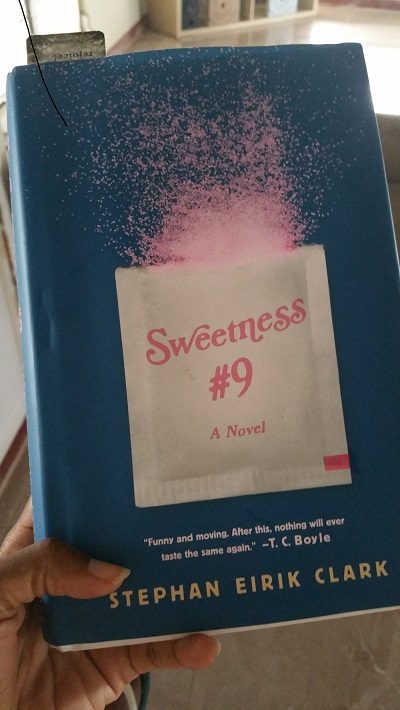
We’re always looking for good public health books to read and have been going through various public health reading lists. One book that kept coming up was Sweetness #9 by Stephan Eirik Clark so we decided to order this book from Amazon and get reading.

Sweetness #9 is a fictional book that focuses on the food industry and explores the impact of additives (in the book they focus on flavour enhancers and artificial colouring) and sweeteners, but the book also touches on issues around food regulation, the approval process and the nature of modern life that leads to the demand for processed, easy to prepare meals. This was an interesting read that opened us up to the possible reality of the inner workings of the food industry and the fact that we’re unlikely to be fully aware of, nor understand, what has been added to the processed foods we eat and the long-term effects of these additives.

Sweetness #9 takes its readers on a 39-year journey as we follow the life of the main character, David Leveraux, who starts his career, after graduating from a food science program with a MSc, as an eager Flavourist-in-Training at a leading global food company. His new job starts well, and he is assigned to the Animal Testing division where his role is to test the long-term toxicity of an artificial sweetener called Sweetness #9 (the testing is a legal requirement before FDA approval can be granted). Whilst conducting these studies on Sweetness #9 David notices some side effects in both rodents and monkeys. Feeling conflicted he isn’t sure what to do, but he eventually reports this to management, but this doesn’t go well, and he ends up being dismissed from the company. This leaves him feeling disillusioned and he wonders what to do with his knowledge of the effects of the sweetener: should he report them to the authorities or not? David keeps quiet and life moves on, but as the years go by Sweetness #9 is approved by the FDA and it is in everything from soft drinks to toothpaste. David continues to feel conflicted especially as he observes, over the next 30 years, society changing, including his own family, who consume a lot of Sweetness #9. The public is gaining weight, ADHD is identified and seems to be on the increase, and anxiety and generalised dissatisfaction is rampant – all these effects are the same effects he observed years before in the rodents and monkeys exposed to Sweetness #9.

Through the main character of David we explore how families’ eating habits have changed in the modern era, how food is manipulated and the politics behind food. We see food scientists question the intentions behind the decisions being made in their industry – why are we really making children’s medicine that tastes like bubble gum and candy apples? Here’s an interesting exchange from the book, although this is fiction you can imagine this type of conversation happening.

                  “I just don’t know if we should be doing this.”

                 “What?”

                  “Making it like candy.”

        “Children’s medicine? So, this is political, is it?”

         “What if kids start trading them on the playground?”

“This is why we have nurses. To dispense medicine. Or are you for sick children now? Hardly a platform I can   support.”

“All right, all right. You’ll have a new formulation by the end of the day. But when I’m called before Congress to explain how America’s children came to be like fatted calves, standing there ready and compliant for the next Rasputin, it’s your name I’ll say while leaning into the microphone.”

This was a scenario where a young flavourist is convinced to make children’s anti-psychotic liquid medicine taste like wild cherry to appease a multi-national pharmaceutical company and thus ensure they keep said company as a client.

A story that ran through the book was one based around Hitler, we struggled at first to see the relevance of this story-line but it all come together nicely at the end, we won’t spoil it for you.  I don’t know how true to life this story-line is, but we did find bits of it fascinating.  In the book, flavourists were recruited during the war, as food was scarce, to create meals that would allow military leaders to have the sensation of having a gourmet meal. So, using meagre resources and their knowledge of chemistry they mimicked food textures and flavours so perfectly that leaders felt they were eating the real thing. Also, in the book, flavourists were recruited during the war for other reasons, to fight the enemy in a subtle way. So, the book really gave a wide-ranging look at the role of flavourists in society.

This was an interesting read and forces readers to reflect on the food we eat and how additives and sweeteners could be affecting the health and wellbeing of our society.

Want to read this book too? You can purchase a copy on Amazon, see options below.


Disclosure: this post contains affiliate links. Find out more here

Fibrome Info France: Our Story
BlogFibroidsMy Fibroid StoryWomen's Health

Fibrome Info France: Our Story

In today’s blog we are delighted to hear from  Angèle Mbarga the founder of Fibrome Info France. Angèle shares her personal experience with fibroids, explains why she started Fibrome Info France, talks a bit about the situation in France and discusses the excellent work her organisation is doing to support women with fibroids. 

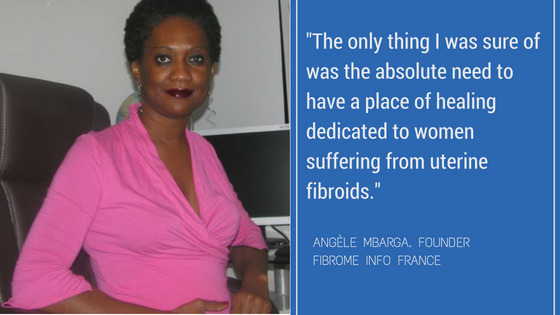
I had a surgery by laparotomy in 2010. In January 2011, when creating the association Fibrome Info France, I had no idea just how vast my job would be. The only thing I was sure of was the absolute need to have a place of healing dedicated to women suffering from uterine fibroids. This shelter will be their place where they would find a sympathetic ear and be able to share their own experience in a mutual aid environment. I had the vision of a modern sisterhood where every woman physically injured and hurt in her inner self, intimacy can henceforth stop and they would be able to talk openly, place a word on her pain without any judgement. My objective was to offer to women what had so badly missed in my time when I had to face fibroids for the very first time. Fibrome Info France is my plea a distress call of a woman wrecked by the violence of fibroids.

My fibroids were out of control, disabling and hemorrhagic.  My symptoms were blood clots with throbbing pelvic pains sometimes. Untimely and chaotic bleedings were my sad daily reality. My life was completely turned upside down. I had no menstrual cycle reference anymore. I had no life anyway. Fibroids were killing me softly. Periods and unusual bleeding got mixed up and caught me in an endless, disturbing and distorted cycle in a completely crazy pace. I was in hell! At office, in meetings, when hanging out with friends, in restaurants, in my own car or in common transportation, anywhere. Always this inopportune and incessant flow of blood gushing from me! There were no sanitary pads that could help me out with stopping this. Fibroids gave me no place for neither private nor professional life. It was like holding a time bomb in my womb with the difference that I had no idea when the explosion would happen.

While recovering from my surgery at hospital, I made a promise to myself to help those women with fibroids issues. They should not face the lack of information about this disease anymore. They should not go through the fibroids complications alone either. Once this idea sprouted in my mind I put all resources and forces I had to make it happen as quickly as possible. And in January 2011, Fibrome Info France was born. Our association assists through our support groups, every year we help over 1500 women to overcome their profound distress caused by this disease. Uterine fibroma is a disease that affects the woman in the depths of her intimacy and in some cases affects fertility. Its development and complications vary from one woman to another. But a widely spread cliché makes one  believe that fibroids are asymptomatic hence do not require any specific care. However, witnesses and S.O.S messages received by our association prove the need for information and support of women severely exposed to this disease which has a strong consequences and significant impacts on their intimacy, their professional and social life.

Uterine fibroma is the most frequent non-cancerous tumor that affects women in childbearing age. It represents also the first cause of uterus ablation in France, over 75000 every year. Physicians who are experienced in the care of this condition are of the opinion that African-Caribbean women develop fibroids at a younger age than the average and are prone to a higher rate of recurrence as well. The specific cases of young women who might likely relapse therefore exposed to repetitive surgeries raises the question of the preservation of the uterus and fertility. As the founder of Fibrome Info France, I assess on a daily basis women’s expectations with regards to this disease in order to have a good match with our actions towards them. The key challenge for our association is the information and awareness of women about the symptoms and complications of uterine fibroids in terms of basic prevention. We also provide tangible and lasting actions to improve the care of uterine fibroids and fight against its banalization.

In 2012, our first awareness video was released as well as our first information campaign. Both were financed by myself. In 2013, with the support of the then Ministry of Women’s Rights and the Regional Council of Ile-de-France, an informational leaflet was published. We also launched our second information campaign. In 2014, in partnership with doctors who support our action we developed and informative and supportive guide for patients and for the rest of the medical corps that are still underestimating the impacts of uterine fibroids as well. Around ten centres fully dedicated to diagnose and to the care of fibroids were opened in several hospitals in Paris and in other French provinces. All of our actions aim to respond to the need for information by women suffering from uterine fibroids and the imperative requirement to guide them on their therapeutic path. Our association will turn 7 on June 30!  To celebrate our achievements and alert the public about fibroids’ impacts we will hold an open house day in our premises. We invite anyone who is keen on acting for women’s health and rights to come and join us in our fight to improve the care of uterine fibroids, for the preservation of the uterus and the fertility of women suffering from fibroids.

Angèle MBARGA
Founder
Fibrome Info France


We would like to thank Angèle Mbarga for sharing her inspirational story with us and applaud her for the fantastic work she has done in establishing Fibrome Info France and providing much-needed support to women in France who have been affected by fibroids. To find out more about  Fibrome Info France you can visit their website or connect with them on social media. 

Facebookhttps://www.facebook.com/Fibrome-Info-France-233050816814726/

Twitterhttps://twitter.com/fibromeinfofr 

Be Prepared. Period

Disclosure: this post contains an affiliate link. Find out more here
St Kitts Marriott Wellness Lunch
Blog

St Kitts Marriott Wellness Lunch

On 23rd May, we attended the St Kitts Marriott Wellness Lunch. This was a lovely event, organised by the hotel for its staff, that aimed to promote healthy eating.

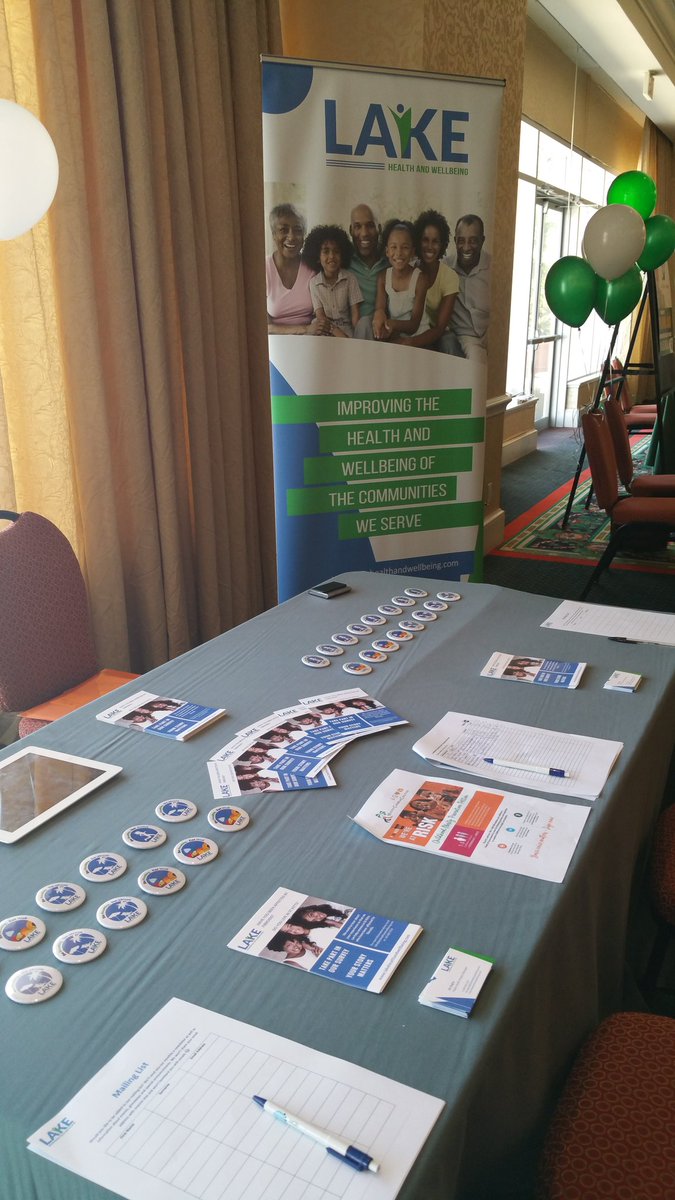
We were invited to have an information table to raise awareness of the work that we’re doing, and it really was a pleasure being at this event. We received a very warm welcome from everyone and had a steady stream of visitors to our information table who were genuinely interested in learning more about our projects and campaigns.

A member of staff signing the HCC’s childhood obesity prevention petition

We had some great conversations about a number of health issues and got the opportunity to talk to attendees about the Healthy Caribbean Coalition’s Childhood Obesity Prevention Campaign. This was very well-received with many showing their support by signing the childhood obesity prevention petition which will be presented to Caribbean leaders at the CARICOM heads of governments conference in July. You can find out more about this campaign and sign the e-petition here

We were able to speak to women about our fibroids survey which aims to understand the experiences of women with fibroids so that we can determine if there is a need to develop an awareness and support programme here in St Kitts. From our conversations, we learnt that  many women have been affected by fibroids and we hope that we can, in the future, provide some form of help to those who need it.

Additionally, it was  nice meeting representatives from other organisations such as MASA Assist, Nagico, the National bank and credit union, all doing great work in some form or the other to support the wellbing of the public.

The lunch also gave us the opportunity to showcase our new ‘Be Healthy’ badges which we recently released to encourage a healthy lifestyle. Our badges as well as our key rings, t-shirts, tote bag and mug are available on our new online shop. Please do visit our shop to find out more about these products. You can visit our shop here.

This was a fun event, in the beautiful ball room of the Marriott with some lovely healthy food and great conversation – the perfect way to spend an afternoon! We’d like to say a big thank you to the organisers for inviting us to take part and to everyone who visited our table, we really appreciate all the support and kind words, and we look forward to attending future events at the Marriott.

Hey EU Mailing List Folks, Do You Still Want to Hear From Us?
Blog

Hey EU Mailing List Folks, Do You Still Want to Hear From Us?

You’ve probably received lots and lots of emails recently from companies big and small about GDPR (General Data Protection Regulation) which is the new EU data protection regulation that is coming into effect on 25th May.

We’re no longer based in the EU but as people on our mailing list are, we’d like to let you know that if you’re on our mailing list, we would have asked you if you would like to be on our mailing list. This will have been done, most likely, at an event through our mailing list sign-up sheet or you would have signed up via our website.  We wouldn’t have added you randomly or if you simply emailed us to ask a question or requested information. We would have, and will, always ask(ed) you before we add(ed) you to our mailing list.

If you would no longer like to  be on our mailing list, you can unsubscribe at any time by clicking the unsubscribe button at the bottom of any edition of our newsletter.

Just a reminder that we:

  • Only store your email address and name to send you our monthly newsletter as well as information about our events, giveaways and special announcements
  • Won’t share your email address with anybody else, nor will we sell your email address to anyone

We hope you’ll continue to take this journey with us as we aim to improve the health and wellbeing of our community. We have some really interesting projects coming up, plus we’ve just opened up our Shop For Good where you can pick up some cute little items such as badges, key rings, t-shirts and tote bags with encouraging health messages. These items are perfect for health awareness events, giveaways and just to use, or wear, whilst you’re out and about so can you promote a healthy lifestyle.

We look forward to keeping in touch with you and thank you for being part of our mailing list family.

Improving Our Health and Wellbeing Through Gardening: Growing Peppers
BlogGardening

Improving Our Health and Wellbeing Through Gardening: Growing Peppers

Hi folks, it’s Abi here and  I am back with another blog about my gardening experience and today I’d like to focus on my lovely peppers. To avoid repetition, I won’t go into the details of how I grew my peppers as I used the exact same technique I used when growing my tomatoes which you can read here.  What I thought I would do is focus on what I learnt from growing peppers, some of the challenges I encountered and how I overcame these.

Over the past 8 months or so I have been trying to grow four types of peppers – sweet peppers (or bell peppers), Scotch bonnets, Jalapeno peppers and Caribbean seasoning peppers (very similar to Scotch bonnets, but without the heat). Growing these peppers has been a huge challenge and I suppose I was lulled into a false sense of security as I started my gardening journey with tomatoes and okras which have been a breeze in comparison to peppers. If I had to score myself on my pepper assignment I would have to give myself a big fat D, I have failed miserably. I have only had some success (after several attempts) with sweet peppers and it looks like my third attempt at Scotch bonnets may (I don’t want to speak too soon) have produced some results.  Here are some of the challenges that I encountered that led me to give myself a big fat D.

Germination Was a Struggle

My bell peppers finally making an appearance after many months 🙂

Whilst reading up on how to grow peppers, I did learn that germination of peppers does take a lot longer than tomatoes, up to a month. So, I was prepared for that. On my first attempt I planted 24 bell pepper seeds and 24 Scotch bonnet seeds in my seed starting tray (egg containers!), and patiently waited. I watered my soil regularly and with no sign of seedlings at 3 weeks, I wasn’t worried, I thought: ‘well, I have read that it can take up to a month so no problem.’ I waited. After a month, nothing happened, but I was still optimistic and continued to wait patiently. At 6 weeks, I started to get worried and then after two months, I gave up and started again. This time I added Jalapeno and Caribbean seasoning peppers to my pepper collection and sadly I got the same results (I gave up after 6 weeks). I was disappointed. I couldn’t figure out what was going wrong, so after 4 months and 2 attempts I took a trip down to the St Kitts Agricultural Department to get some advice. They were lovely, really helpful and friendly. They explained it could be the seeds and that peppers can be a bit “particular” and I should keep trying. They did say maybe I should cheat and buy some of their young pepper plants which were growing well in their nursery and so I did, I cheated. I bought a row of pepper plants and transplanted them into the garden, thinking perfect I have a head start, but I had challenges with their growth too – I don’t think peppers like me.

I still wanted to try to grow peppers from seed so I tried again and again with the seeds and  finally I was able to get my bell peppers and some hot peppers to germinate (yay!). These are going well, but slowly.

Peppers Are Slow

My Scotch bonnet,  small and no signs of any peppers whatsoever 🙁

Having cheated and bought some seedlings and then finally had some success with my own seeds, I have quite a few pepper plants growing in my garden. Starting my gardening journey with tomatoes spoilt me because they grew relatively fast and I was expecting the same for my peppers, but pepper plants, or I should say my pepper plants, were sloooow! They really are taking their own time (but it may be my growing technique as I am a newbie!). If you’re going to grow peppers, you’ll need some patience.  As I sit here now I do have some really cute bell peppers developing and I have harvested about two (Very tasty!), but the Scotch bonnet is growing extremely slowly. So, with all the attempts and buying of seedlings it has taken me about 5 months to get my first bell pepper.

They Need Lots of Water

I live in the Caribbean and it has been really hot over the past few months and some of the challenges with the slow growth could be because they weren’t getting enough water (I am not sure).  I may have underestimated the amount of water that they needed. I am always worried about watering too much and my plants dying of root rot, so I suppose I am a little conservative when it comes to watering.  A couple of months ago, we had a guest over and they were looking at my garden and she felt I needed to give my plants a lot more water. So, she took over for a few days and soaked my peppers. I was really worried thinking they might drown. After about a week, my peppers seemed to perk up and looked a lot happier. Since then I can’t say they have grown any faster but they certainly look a lot healthier.

My Peppers Were Bugged!

Just as I was having some success with my bell peppers and feeling really good about them, I ventured out into the garden one morning and found that my largest pepper plant had lost ALL its leaves. I was shocked. How did that happen in just one night or morning? I looked around and spotted the culprit. A sneaky little green worm, which I later learned was a hornworm, ate my pepper leaves for breakfast. It was so greedy! It didn’t leave anything, all the leaves were gone. I was so upset and I thought that was it for that pepper plant. To my surprise and joy, about a week later my pepper plant started making a come-back, some new leaves were growing happily. I’ll see how it goes, I have my fingers crossed that this plant will survive.

Now, everyday I check my garden for hornworms and I have spotted a few which I have swiftly thrown over the wall!

It Has Been Fun

Although I haven’t been so lucky with my peppers it has been a lot of fun and a nice challenge. It has also been very rewarding too. When I noticed my first pepper, I was elated and when I picked my first pepper I was so proud of myself for persisting, it really was worth it. Although the bell pepper was a lot smaller than I expected, it tasted lovely.

A Great Learning Experience

I have learnt a lot about peppers over the past few months. Through my reading I have learnt that there are thousands of types of peppers (Wikipedia says about 50,000!!), which came as a real shock to me, I was only aware of five different types of peppers before I started looking into them. This means there is a type of pepper for every taste bud (sweet, hot, fruity, woody and smoky) and peppers come in a variety of shapes, sizes and colours (red, green, orange, yellow, purple and more).

When we look at the history of peppers, they are native to Mexico, Central America and South America. They made their way to Spain in 1493 and from there spread to other countries.

Peppers are also quite nutrient rich, their nutrient content is dependent on the type of pepper, but most peppers contain vitamin A, C, K, B6, dietary fibre, thiamine, niacin, folate, magnesium, copper, potassium and manganese.

I have also learnt some personal lessons about the importance of patience, persistence and hard work (they really gave me a good workout).

I’m really looking forward to picking more bell peppers and watching my Scotch bonnets develop. I’ll keep you posted.


If you missed my previous blogs you can read them using the links below:

  1. Improving Our Health and Wellbeing Through Gardening: An Introduction
  2. Improving Our Health and Wellbeing Through Gardening: How I Got Started
  3.  Improving Our Health and Wellbeing Through Gardening: Growing Tomatoes
  4. Improving Our Health and Wellbeing Through Gardening: Growing Okra
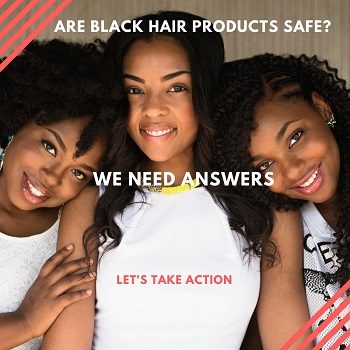
More Concerning Research on Black Hair Products
Women's Health

More Concerning Research on Black Hair Products

Back in November 2017 we published a blog post where we summarised research on hair dyes, relaxers and breast cancer, and (sigh) we’re sorry to say we’re back here again writing about black hair products and their harmful effects.

A couple of weeks ago the results from another research study was published and this showed that 80% of black hair products contain endocrine disrupting and asthma causing chemicals. Endocrine disrupting chemicals are of concern as some studies have linked these chemicals to hormone-related health conditions including breast cancer and fibroids.

Latest Research

On 25th April 2018, researchers from the Silent Spring Institute and Battelle Memorial Institute in the USA published the results from their study which investigated the endocrine disrupting and asthma-associated chemical content of black hair products. They tested 18 black hair products that cut across 6 types of products. These included hot oil treatments, anti-frizz/polish, leave-in conditioners, root stimulators, hair lotions and relaxers. Within these products they tested for the presence of 66 chemicals including BPA, phthalates (a solvent) and parabens (a preservative).

What Did They Find?

Researchers found that the black hair products tested contained 45 endocrine disrupting or asthma-associated chemicals. They stated that they found cyclosiloxanes (used for conditioning and spreadability), parabens and the fragrance marker diethyl phthalate (DEP) at the highest levels, and DEP most frequently in these products.

In their study, root stimulators, hair lotions and relaxers more frequently contained nonylphenols, parabens and fragrances whilst anti-frizz products tended to contain cyclosiloxanes.  Worryingly hair relaxers for children contained five chemicals that are regulated by California’s Proposition 65 or were prohibited from being used in the EU.

What we found particularly disturbing was that ingredients lists were incomplete, meaning that the researchers found chemicals in the products that were not listed on product labels. This is disturbing because many women do try to avoid chemicals such as parabens, but researchers found that butyl and ethyl paraben were never listed on labels and 12% of products with methyl paraben didn’t include this on their label. This is extremely misleading and means that women can’t make an informed choice about the products they purchase. Other chemicals that were frequently not included on ingredients lists were fragrance chemicals and cyclosiloxanes.

You can listen to  Dr. Jessica Helm from the Silent Spring Institute and Tola Okogwu from My Long Hair Journey discuss this latest study in the video below.

California’s Proposition 65 and EU Regulation

There are regulations in place to protect consumers and deter manufactures from including chemicals that are hazardous to our health in their products. Two such regulations are Proposition 65 and the European Union Cosmetics Directive.

California’s Proposition 65, more formally known as the Safe Drinking Water and Toxic Enforcement Act, aims to “help Californians make informed decisions about protecting themselves from chemicals known to cause cancer, birth defects or other reproductive harm.” By law, all businesses selling products to people in California must ensure clear and reasonable warnings are included on items that contain harmful chemicals so that people are aware that they will be exposed these chemicals. Some chemicals that are regulated by Prop 65 are o-phenylphenol, BPA, phthalate, ethanolamine and benzophenone.  Businesses don’t have to include any warnings if the chemicals are at concentrations that don’t pose a health risk. Now, in this current study,  it was found that even though two no-lye hair relaxers for children contained a Prop 65 regulated chemical, no warnings were included, and researchers made the point that these would not meet the Prop 65 labelling requirements.

The EU Cosmetics Directive states that all cosmetic products sold in the EU must be safe and they prohibit the inclusion of chemicals in products that have been shown to cause cancer, female reproductive toxicity and developmental toxicity. Some of the compounds prohibited by the EU include BPA, phthalate, alkylphenol and ethanolamine. In this study, some products were found to contain products prohibited by EU law – BPA, phthalate, nonylphenol and diethanolamine. So these products would not be fit for sale in the EU.

What Can We Do?

Well… ladies, we must demand better from brands. We must see what we can do to get companies to remove these chemicals from their products. In the meantime, we have to be very selective and only buy from brands that sell products that are safe, but this can be hard to do if brands are not listing all the chemicals in their products on their labels.

 Here are some brands that we use, or have used in the past, and we believe are safe, but we recommend that you do your research too.

Afrocenchix
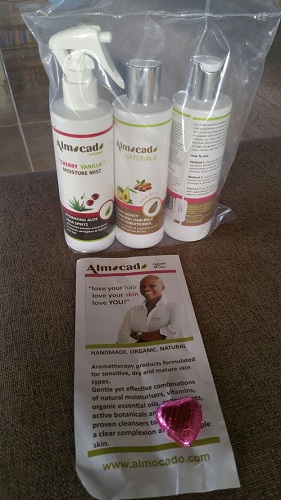
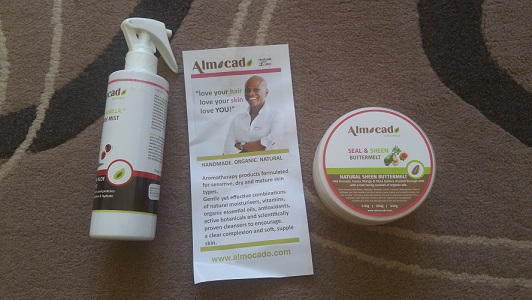
Almocado
Camille Rose Naturals
Pure Goodnes
Root2Tip
Shea Butter Cottage
Shea Decadence
Yaphene

Finally, we are currently in discussions with the team behind My Long Hair Journey to see what we can do to start addressing this problem. We’ll keep you updated and let you know how these discussions go. In the meantime, let us know your thoughts on this topic. How do you feel about this new piece of research and are you concerned about the hair products that you use?

More Information

You can download the full research paper below as well as the study’s supplementary material which lists the brands tested in this study and information about EU regulation and California’s Prop 65. And, you can purchase some of the products from the brands listed above on Amazon below.

Sweet and Sour Broccoli
BlogDiet

Sweet and Sour Broccoli

In today’s blog post Abi shares her sweet and sour broccoli recipe – yum!

We recently changed our diet and started cutting down on the amount of meat we consume. We had already pretty much cut out red meat (we only eat this rarely) and now we eat chicken or fish once or twice a week, the rest of the week we are vegetarian, but our diet is flexible and we’re not perfect, we do indulge every now and again, our overall aim is to achieve a balanced, healthy diet.

I am constantly looking for creative vegetarian recipes. After reading online that many vegetarians replace chicken with cauliflower and broccoli to make dishes like cauliflower buffalo wings (huh!), I decided to get a bit creative and try sweet and sour broccoli.

We love sweet and sour chicken and I have been making a very simple version of this at home for years, so I simply used this tried and tested recipe but replaced the chicken with broccoli, and oh boy, it was a hit! We absolutely loved it, so much so that I had to make it again to make sure it wasn’t a fluke and it was just as good the second time around. It was delicious and honestly (it may be hard to believe) it tastes just like the chicken version.

I loved this dish so much that I decided to share the recipe. If you’re looking for an easy and delicious way to introduce more vegetables into your diet, then I highly recommend you try this recipe. If you do try it, please let me know what you think.

Happy cooking! (and eating!)

Sweet and Sour Broccoli

My Life With Fibroids
BlogFibroidsMy Fibroid StoryWomen's Health

My Life With Fibroids

In today’s blog post we hear from Silvia who shares her experience with fibroids and explains why she started her blog, Life With Fibroids.

Well, let’s start off with a little bit about me. My name is Silvia and I am married to an amazing man who is so supportive and have an adorable dog who from time to time drives me nuts, but that is okay because I adore him.  I have fibroids and have been living with them for two years and have come to a place in my life where I want to share my story and my personal opinions and connect with others and learn about their stories as well.

I was diagnosed with Uterine Fibroids two years ago officially but have lived with them for just about 6 years now and since then I have done a lot of research but there is still so much more to do, so in no way am I saying I am an expert and I am not a doctor.  I decided to start my website, Life with Fibroids,  to create a space where women of all ages, creeds, backgrounds, religions, and parts of the world could come together and know that having fibroids does not mean that you are alone. Although fibroids is very common it is crazy to think that it is not a very talked about subject for most women and there is really no place to connect with others and ask how they are living with it and going through life with this. I was diagnosed with Uterine Fibroids two ago and they do affect my life they make me have the worst menstrual cycle of my life for example I have more bleeding and the first couple of days is so painful and the cramps sometimes can drop me to my knees. It hurts so much let me just say.

I guess, for me at least, that is the biggest inconvenience and it is so crazy to think that they can develop like they did for me because of the fact that your body can produce too much oestrogen and they can grow over time as well and can cause other problems like infertility if they block the Fallopian tubes and get in the way of implantation but to know that it is on a case by case situation and if you come to find out  that you have them and are worried about that then I would definitely set up an appointment with your doctor and get your situation checked. I did and thankfully they are not going to stop me from getting pregnant but I think for the best option since they have gotten bigger is to get them removed before we try for a baby again since I have experienced a miscarriage due to fibroids and want to avoid any further complications due to fibroids, so that is another reason for me to write this post and try to reach out to those who are in the same situation and be an outstretched hand and let others know you are not alone and I am here for you. I guess I just want to help people share and get connected and help support each other because there are lots of stories like mine but there are also lots of stories that end up with a happy mommy and a happy baby, so like I said it is case by case and if I can help even one person then I think that writing this post and creating my blog, Life with Fibroids, is worth it.

Now let’s get a few things clear about fibroids first:

  1. Fibroids are not cancerous and from what I have come to learn not life threatening, so you can take that stress off your mind right now.
  2. What my doctor has come to teach me is that for every woman’s fibroids are different and can affect them in different ways and with fibroids especially the kind that I have which is Uterine Fibroids is always a case by case situation so in no way am I saying that I know everything about you and your situation so please feel free to write about your story and connect with others.
  3. Fibroids can happen anywhere in the body but the most common fibroid I have come to read about is Uterine Fibroids which is what I have.
  4. Even though many women have fibroids they can go their entire lives without knowing it due to having no symptoms and doctors not having any indication to look for them.
  5. Women who do have them and do have active symptoms can have a variety and cannot have their daily lives affected in any way and then there is the other side of the coin where women have their everyday life come to a standstill and cannot function and then of course there is the middle ground where you have good and bad days but nothing too drastic, which for the most part is where I fall, well for the most part anyway.
  6. My final point on this never-ending list is that for every woman with this diagnosis there is a story and it is different and each and everyone is valuable and important.

So with all that I have said again I just want to say that I created my blog, Life with Fibroids, as a place to connect and share your individual stories and remember that you are not alone and you are one of a kind and that you and I and everyone else living and not living with this is beautiful and amazing. Please feel free to visit my blog, share your stories and help me to connect with others from all over. Thanks for taking the time to read my post and even though I am not the most talented writer I want to share my story and hope that it can help at least one person out there. Thank you again for visiting and taking the time to read my post. At Life with Fibroids I do my best to keep everyone up to date on what is happening with me and my fibroids and try my best to keep it active and hopefully on-going. Have an awesome day and you rock!


Lake Health and Wellbeing  would like to say a big thank you to Silvia for sharing her experience with fibroids, we hope that through her experience you have gained some useful insight into this condition. You can find out more about Silvia at Life With Fibroids

If you have any questions or comments please do leave these in the comments section below. 

Be Prepared. Period.

Disclosure: this post contains an affiliate link. Find out more here

Eat Love Move with Le’Nise Brothers
BlogWomen's Health

Eat Love Move with Le’Nise Brothers

We first heard about Eat Love Move on the Secret Birds Podcast a couple of months ago when founder Le’Nise Brothers was interviewed about health, hormones and barriers.  We were really impressed with all the great work that Le’Nise is doing and it also piqued our interest because of the work we’ve been doing on fibroids, an area that Le’Nise focuses on too. We felt the services offered by Eat Love Move would be of interest to you, our readers, so in today’s blog we introduce you to their services.

Who Is Eat Love Move?

Eat Love Move is a business that focuses on women’s health and offers personalised hormonal health programmes and workshops. At the helm of the company is Le’Nise Brothers, a registered naturopathic Nutritional Therapist who specialises in women’s health, anxiety, depression and weight loss.

As a nutrition and wellbeing coach for women, Le’Nise’s mission is to help women understand and embrace their hormones and menstrual cycle and thus much of her work focuses on women who struggle with low energy, sugar cravings and hormonal issues such as PMS, PCOS, endometriosis, heavy & painful periods, fibroids, perimenopause and menopause.

“I’ve had a life-long interest in food – eating it, cooking it and sharing it. I slowly started to make the connection between what I was eating and how I was feeling and used diet and lifestyle changes to improve my anxiety, depression and irritable bowel syndrome.”  – Le’Nise Brothers

Le’Nise firmly believes in the power of food and she takes the time to understand her clients, their lifestyle and goals, and then designs nutrition and lifestyle programmes that are tailored to the individual.

Their Services

Eat Love Move’s services fall into three categories:

  • Personalised Health Programmes
  • Hormone Health Programmes
  • Workshops and Talks

Personalised Health Programmes – these are a minimum of 8 weeks long and are for women who have symptoms or health issues, are concerned about their family’s medical history or have been advised by their doctor to improve their diet.  A typical personalised health programme consists of the following:

  • Initial personal consultation including an in-depth health and lifestyle assessment
  • Personalised nutrition advice and supplement plan
  • Current medication and nutrient interaction evaluation, if applicable
  • Recommendations of clinical tests and interpretation, if applicable
  • Follow up consultations – face to face, skype, telephone
  • Mini progress review calls
  • Email support
  • Personalised menu planning and recipes

Hormone Health Programmes – Eat Love Move offers three programmes:

  1. Period Helper – this is a personalised programme that helps women with their periods and menstrual cycle so they enjoy life with no PMS or pain (yay!)
  2. Hormone Helper – this programme teaches women how to manage their hormones and stress, and how food can bring things back into balance.
  3. Menopause Helper – teaches women how to support their hormones and get a sense of balance so they feel better as they go into perimenopause and menopause

Workshops and Talks

Le’Nise is passionate about helping women learn more about how they can improve their health and wellbeing and regularly facilitates workshops and delivers talks covering a range of topics including meal planning, wellbeing in the workplace, self-care and hormone health.

More Information

For more information and to book a free 20 minute health and wellbeing review you can email hello@eatlovemove.com or visit their website

Eat Love Move offers Skype and FaceTime consultations so you can access their services from anywhere in the world, or if you’re based in London you can find Le’Nise at the Onebody Clinic in Chiswick on Tuesdays and Saturdays from 9 – 11am

Alternatively, you can join Eat Love Move’s private Facebook group, Embrace Your Hormones. It’s a private and positive space for women to ask questions about their hormones and menstrual cycle and get evidence-based information and support.

Be Prepared. Period.

Disclosure: this post contains an affiliate link. Find out more here