Contacts

Bird Rock, St Kitts, St Kitts and Nevis, West Indies

info@lakehealthandwellbeing.com

+1 869 765 8702

Tag: diabetes

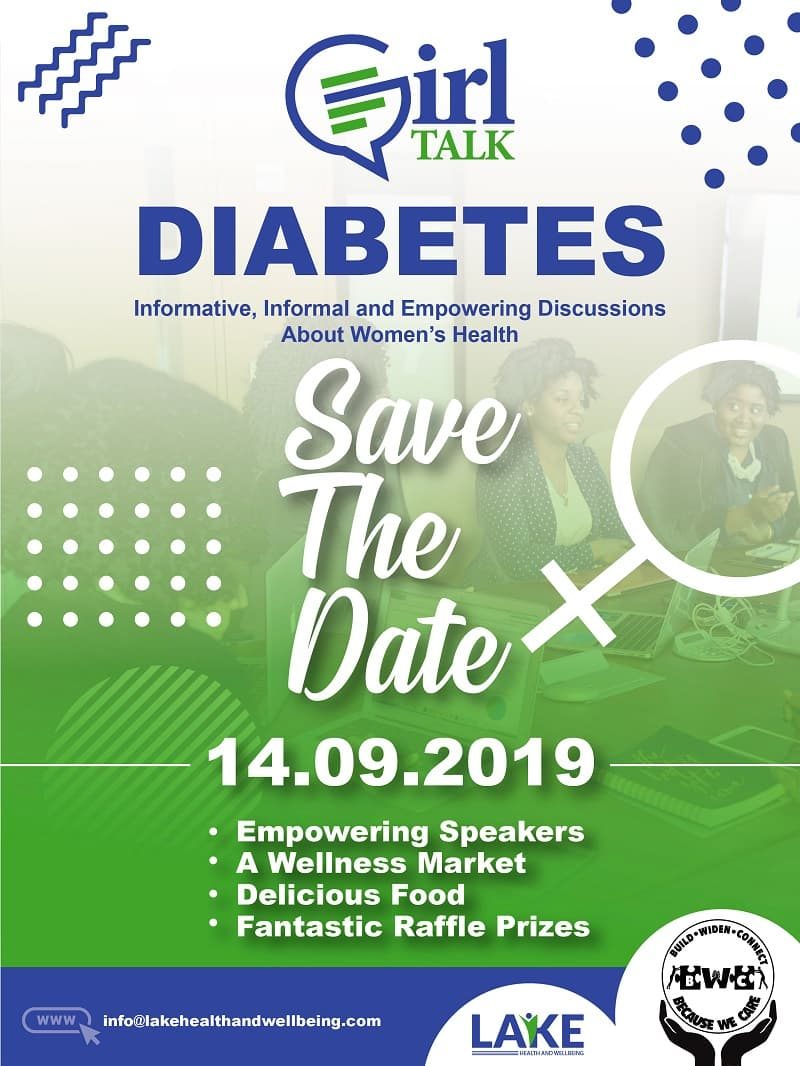
Save the Date: Our Women and Diabetes Event is on 14th September
BlogDiabetesWomen's Health

Save the Date: Our Women and Diabetes Event is on 14th September

We’re delighted to announce that we have once again teamed up with Because We Care to host another women’s health event in St Kitts.

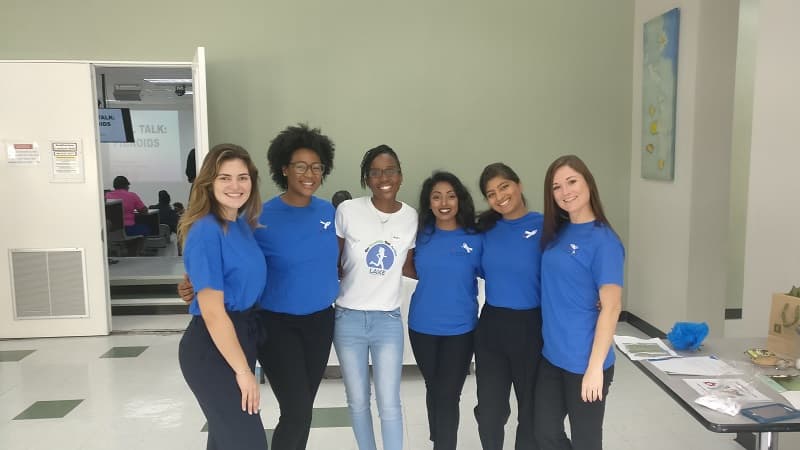
Girl Talk: Diabetes will focus on women and diabetes and will take place on Saturday 14th September. We’ll be having a panel of excellent speakers covering topics such as:

  • An Introduction to Diabetes
  • Diabetes and its Complication
  • Living with Diabetes

We’ll also have a small wellness market featuring health, wellbeing and wellness brands, fantastic raffle prizes, free health checks, food and more!

More details to follow, so please stay tuned!

This event is the second event in this series. Our first event focused on fibroids and we had a great day learning more about fibroids and its impact on women. You can read about our previous event here

If you would like to join us for this event, you can register below and make the payment on the day ($90EC).

The information provided in the form below will enable us to contact you about the event regarding updates and important information. We will only use it for this purpose.

No Fields Found.

We look forward to seeing you on 14th September and if you have any questions, please email us or call 765 8702.

A Touch of Sugar – A New Film About Type 2 Diabetes
DiabetesNews

A Touch of Sugar – A New Film About Type 2 Diabetes

On 25th April,  the pharmaceutical company Merck launched their new documentary, A Touch of Sugar, at the Tribeca Film Festival.

The documentary is narrated by the award-winning actress Viola Davis who has a strong family history of type 2 diabetes and who herself is pre-diabetic.

The World Health Organisation has reported that in 2014, 422 million people worldwide were living with diabetes. The majority of these patients, about 90%,  are living with type 2 diabetes.

Type 2 diabetes is now considered by many to be an epidemic and the film, A Touch of Sugar, delves into this chronic condition by telling the story of the many people who have been affected. The film features interviews with patients, family members, doctors, advocates and thought leaders to raise awareness of diabetes, its impact on society and the importance of focusing on underserved communities.

You can watch the trailer for the documentary below:

A Touch of Sugar Trailer from A Touch of Sugar on Vimeo.

A Touch of Sugar is part of Merck’s program,  ‘America’s Diabetes Challenge: Get to Your Goals’ which encourages type 2 diabetics to work with their doctors to reach a number of health goals.

You can reduce your risk of developing type 2 diabetes by maintaining a healthy weight, eating a healthy diet and taking part in at least 150 minutes of physical activity every week. If you have diabetes, speak to your doctor about the lifestyle changes that you can make to ensure that you’re managing your condition effectively.

In St Kitts and Nevis, diabetes is also a major health challenge, you can read about this here

We have started facilitating regular chronic disease self-management courses. These courses have been developed by Stanford University and have been proven to help those living with chronic conditions such as diabetes live well despite their condition.

If you live in St Kitts and Nevis and would like to learn more about managing chronic diseases, you can register to attend our next chronic disease self-management course, by sending us an email.

World Diabetes Day – The Family and Diabetes
BlogDiabetes

World Diabetes Day – The Family and Diabetes

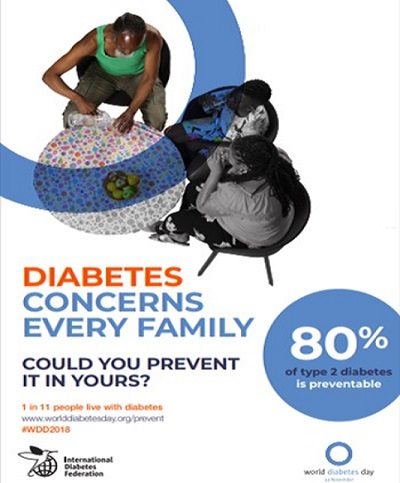
The 14th November is World Diabetes Day, a day that the world comes together to recognise the escalating threat that diabetes poses. This year’s theme is ‘The Family and Diabetes – Diabetes Concerns Every Family.’ This theme will cover a two-year (2018 ad 2019) period.

The aim of the 2018–19 campaign is to raise awareness of the impact diabetes has on the family and to promote the role family members can play in the management, care, prevention and education of diabetes.

The International Diabetes Federation and WHO’s key messages fall under four main areas (discover, prevent and manage) and they provide practical tips and advice for families.

Discover Diabetes

Statistics presented by the International Diabetes of Federation suggest that 50% of people with type 2 diabetes remain undiagnosed. Diagnosing diabetes early is very important in helping to prevent or delay the life-threatening complications that are associated with this condition. It is therefore very important that we are all aware of the symptoms, particularly if we have a family history of diabetes.

For World Diabetes Day, organisers are reminding family members of the key role they can play in identifying symptoms in their family members and thus helping detect diabetes early.

The symptoms of type 2 diabetes can be hard to identify because initially they don’t make you feel unwell and the symptoms may start to feel like normal every day behaviour. Take some time to reflect on whether these symptoms are normal for you, or your family member, or if they could be a sign of type 2 diabetes.

  • Urinating more often
  • Feeling thirsty
  • Feeling very hungry
  • Weight loss
  • Blurred vision

Prevent Diabetes

There is a huge opportunity to prevent diabetes as the International Diabetes Federation has reported that 80% of diabetes cases can be prevented by the public adopting a healthy lifestyle.  This means that preventing diabetes starts at home. Simply by making a decision for your family to eat a healthy diet and exercise together means that your family members can reduce their risk of developing type 2 diabetes. The aim is for each of us is to create and live in an environment that supports a healthy lifestyle.

Manage Diabetes

Diabetes has a significant impact on families and family members often feel helpless when it comes to caring for those close to them who have diabetes. Research has show that 2 in 3 people wouldn’t know how to care for a family member with diabetes. This is likely to be due to a lack or awareness  and access to relevant educational material. Research has shown that less than 1 in 2 people with diabetes and 1 in 4 family members of people with diabetes have access to diabetes education programmes.

If you’re a family member of a diabetic, it’s important to know that managing diabetes requires daily treatment, regular monitoring, a healthy lifestyle and ongoing education. Family support is key in achieving this. If you feel ill-equipped to support your family members, speak to your doctor and explore whether there are any diabetes self-management courses being held in your area.

Diabetes in St Kitts

Diabetes is a significant health challenge in St Kitts accounting for one of the most common reasons for patients visiting the Joseph N France Hospital for treatment.

In St Kitts and Nevis, approximately 1300 people are living with diabetes, therefore impacting 1300 families, with 71% being women. It is thus important for residents of St Kitts and Nevis to be aware of how they can prevent, manage and discover diabetes so they can better support their family members with diabetes, as well as reduce the risk of unaffected members developing this condition.

For more information you can listen to Hon Wendy Phipps’ s (Minister of State for responsibility for Health in St Kitts), statement in observance of world Diabetes Day 2018 on Sound Cloud here:

Conclusion

Family members can make a significant difference in the prevention, early diagnosis and management of diabetes. It’s important to learn more about this condition and if you need help in St Kitts you can contact the St Kitts Diabetes Association.

The Black Community’s High Risk of Diabetes Due to Modifiable Risk Factors
DiabetesNews

The Black Community’s High Risk of Diabetes Due to Modifiable Risk Factors

The black community has a higher risk of developing type 2 diabetes and this increased risk was thought to be due to a combination of factors with genetics playing a significant role.

 In a study recently published in JAMA it has been shown that there is no genetic reason linking black people to an increased risk of diabetes. The increase in risk is due to lifestyle factors like obesity.

This study looked at 4,251 black and white men and women, aged 18 to 30 without diabetes.  Forty-nine per cent were black (2,066 participants) and 54% were women (2,304 participants). Participants were followed for an average of 25 years and over time 504 cases of diabetes were identified – 189 white participants and 315 black partcipants developed type 2 diabetes.

The study found that overall black men and women were more likely to develop diabetes but when they took into account factors like biology, neighbourhood, psycho-social, socioeconomic and behavioural, both black and white people had the same risk of developing type 2 diabetes.  If there was an underlying genetic reason then when all those factors were taken into account then there would have still been an increased risk seen in black men and women.

When exploring what specific factors increased black people’s risk of type 2 diabetes they found that factors that were modifiable were the main culprits – body weight, waist size, blood sugar level, blood pressure and others.

Researcher Prof Mercedes Carnethon said:

“Obesity is driving these differences. The findings surprised us, because for the past 20 years there was a narrative that there must be something we haven’t found that was causing this higher rate. Blacks gained more weight over time. It was the accumulation of this and other risk factors that eliminated the so-called mysterious cause of the disparity.”

The findings for this study are empowering, in a way, as it means that clear steps can be taken to reduce the high risk seen in the black community by promoting a healthy lifestyle with lead study author Michael Bancks stating:

“To eliminate the higher rate of diabetes, everybody needs to have access to healthy foods, safe spaces for physical activity and equal economic opportunity to have enough money to afford these things and live in communities that offer this.”

The focus now has to be on ensuring that more black people live a healthy lifestyle so that health inequalities like this can be addressed. This means delving into the social and economic inequalities which may act as barriers to living a healthy lifestyle.

Link Between Social Isolation and Type 2 Diabetes
DiabetesNews

Link Between Social Isolation and Type 2 Diabetes

This week scientists in the Netherlands published the results of their research exploring social isolation and type 2 diabetes. They assessed whether particular aspects of a person’s social network like the size of their social network, how often they are in contact with friends and family, the types of relationships they are in and whether they live alone are linked to pre-diabetes, a new diagnosis of diabetes or a previous diagnosis of diabetes.

Their research looked at people between the ages of 40 and 75 living in the south Netherlands. The study is still ongoing and the aim is to recruit 10,000 participants by the end of the study period.

This current piece of work includes 2861 people with an average age of 60, 57% were not diabetic and 43% of the participants either had pre-diabetes, a new diagnosis of diabetes or had previously been diagnosed with diabetes.

They found that the more socially isolated a person was (i.e. the smaller their social network was) the more likely they were to have a recent or previous diagnosis of type 2 diabetes.  They found  that for each fewer network member in a social group there was a 12% higher chance of being newly diagnosed with type 2 diabetes and a 8% higher chance of having a previous diagnosis in women; in men it was 10% and 5% respectively.

In women they found that higher percentages of social network members living within walking distance and higher percentages of household members were linked to newly and previously diagnosed diabetes.  Researchers concluded that for women “a more centralised social network was associated with type 2 diabetes.”

In men, living alone was associated with significantly higher odds (59% higher odds) of being newly diagnosed with diabetes or being previously diagnosed. In women there was no association between living alone and diabetes.

They also found that a lack of social participation was associated with a 60% higher chance of being pre-diabetic and a 112% higher chance of being previously diagnosed with type 2 diabetes in women. For men a lack of social participation was associated with a 42% higher chance of having a previous diagnosis of type 2 diabetes.

They also found that having more emotional support, practical support and support during sickness were all associated with lower odds of having type 2 diabetes.

What does all this mean??

Simply put, people who are lonely are more likely to develop diabetes. Therefore if we can focus on addressing loneliness we may be able to prevent type 2 diabetes in some people.

It isn’t clear why specifically there is a link between social isolation and diabetes but the researchers feel that their work suggests that:

 “High risk groups for type 2 diabetes should broaden their network and should be encouraged to make new friends, as well as become members of a club.”

Type 2 diabetes is more common in the black community and if we can identify whether  social isolation is also linked to diabetes in the black community then this could be an effective approach to  reducing the high risk in the black community.

Croydon Diabetes Community Champions Update
DiabetesNews

Croydon Diabetes Community Champions Update

The Lake Foundation teamed up with Diabetes UK in early 2017 to deliver a Diabetes Community Champions project in Croydon aimed at the black community.

Diabetes affects 1 in 13 people in Croydon with over 19,000 affected and an additional 6400 people who don’t know they have it. Diabetics are three times more likely to develop renal failure, 2.5 times more likely to develop heart failure and twice as likely to develop stroke. Additionally, in Croydon, 38% of amputations are in diabetics and 14% of sight loss occurs in diabetics.

There are a number of high risk groups in Croydon including the black community who are three times more likely to develop diabetes than their white counterparts and hence there is a need to focus on this community.

Diabetes costs Croydon £123.7M per year, these costs are related to treatment, management of complications and wider societal costs such as informal care, social care and lost productivity.

Through out project 17 diabetes community champions were recruited and trained and they have been able to reach hundreds of people with the key messages about diabetes and its prevention. The Lake Foundation has now moved to the Caribbean and Diabetes UK is continuing with this work. A full report will be available in 2018 but you can read a short update here.

World Diabetes Day: Women and Diabetes
BlogDiabetes

World Diabetes Day: Women and Diabetes

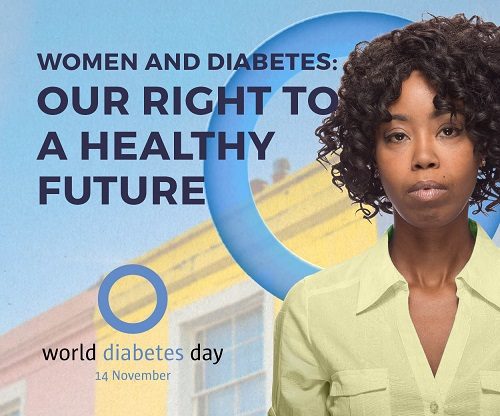
Every year, on 14th November, the world comes together to recognise World Diabetes Day.  Created by the International Diabetes Federation and the World Health Organisation in 1991 to address the escalating threat that diabetes poses, this is a day that aims to raise awareness by reaching a global audience. This year’s theme is: ‘Women and Diabetes – Our Right to a Healthy Future.’  ‘Why the focus on women?’  You may ask. The stats say it all.

Women and Diabetes

Currently there are over 199 million women living with diabetes throughout the world and research suggests that this could rise to a staggering 313 million women by 2040. Diabetes is the ninth leading cause of death in women with 2.1 million deaths per year being due to this condition.  Forty per cent of women with diabetes, around 60 million women, are of reproductive age. The complication here is that women with diabetes are more likely to have fertility problems and without access to pre-conception planning there is a higher risk of death and illness for both mother and child during pregnancy.

Additionally, one in seven pregnant women develop gestational diabetes. This is a type of diabetes that only develops during pregnancy. If it is not managed properly it can negatively affect both the expectant mother‘s and baby’s health.  In most cases, after pregnancy, gestational diabetes resolves on its own, but the mother is then at a higher risk of developing type two diabetes.

Finally, women with type 2 diabetes are ten times more likely to have coronary heart disease than  women who don’t have diabetes.

Due to these facts and figures there is a need to focus on women, raise awareness and ensure that health services are equipped to address the specific needs of women with regards to diabetes.

Black Women and Diabetes

Black women are at a significantly higher risk of developing diabetes than their white counterparts. In the US, diabetes affects 25% of black women in the 55 and over age group and it is the fourth leading cause of death in black American women of all ages.

Black women in the UK are also at increased risk of developing diabetes  and diabetes rates in the Caribbean and Africa are also high.

It is thought that the increased risk in black women is due to multiple factors including genetics and black women being more likely to have high blood pressure,  to be obese and be physically inactive.

What Can We Do?

Diabetes can be prevented by adopting a healthy lifestyle. We should endeavour to:

  • Maintain a healthy weight
  • Eat a healthy diet
  • Get active: it doesn’t have to be structured exercise, just anything that increases your heart rate such as gardening, brisk walking, dancing, cycling, playing with the kids

Let’s all spread the word about the prevention of diabetes so that we can stop more women, especially black women, from developing this condition.


References

International Diabetes Federation

American Diabetes Association. Diabetes in African American Communities Advocacy Fact Sheet.

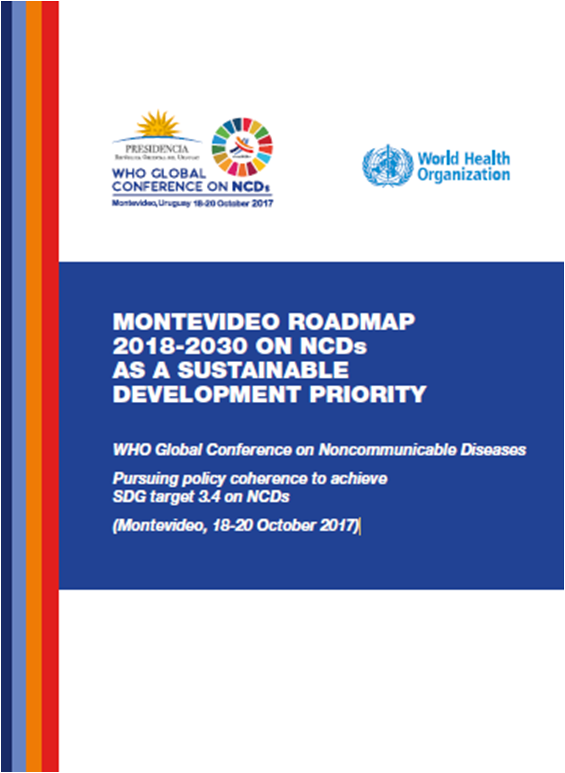
The Montevideo Roadmap on NCDs as a Sustainable Development Priority
BlogNon-Communicable Diseases (NCDs)

The Montevideo Roadmap on NCDs as a Sustainable Development Priority

A couple of weeks ago government representatives from across  the world met in Montevideo, Uruguay for the World Health Organisation’s Global Conference on NCDs (Non-communicable diseases, e.g: cancer, diabetes,  cardiovascular disease etc).  The objectives of the conference were: to guide countries on how to reach sustainable development goal target 3.4 by 2030; to launch a new set of global initiatives to help countries accelerate progress in tackling NCDs; to share and exchange experiences; and to discuss how the health sector can be a key example of the benefit of enhancing policy coherence to achieve the sustainable development goals.

Making A Commitment to Tackle NCDs

At this conference governments endorsed the Montevideo Roadmap 2018-2030 on NCDs as a Sustainable Development Priority. By endorsing this roadmap they have made a commitment to take significant steps towards reducing the premature deaths due to NCDs by a third. They recognised that NCDs are one of the major challenges of the 21st century and that progress to tackle them has been uneven and insufficient. The roadmap states that 15 million 30 to 69 year olds per year die from a NCD and 80% of these premature deaths occur in developing countries.  There are a number of challenges associated with tackling NCDs and with this is mind they committed to the following actions:

  • Reinvigorate political action
  • Enable health systems to respond more effectively to NCDs
  • Increase significantly the financing of national NCD responses and international cooperation
  • Increase efforts to engage sectors beyond health
  • Reinforce the role of non-State actors
  • Seeks measures to address the negative impact of products and environmental factors harmful for health and strengthen the contribution and accountability of the private sector and other non-State actors
  • Continue relying on WHO’s leadership and key role in the global response to NCDs
  • Act in unity

Our Thoughts

We were delighted to see world leaders come together and make this commitment and look forward to seeing these actions being taken forward.

We’re particularly happy to see that efforts will be made to engage with a variety of stakeholders. As a small organisation that is passionate about improving the health and well-being of our community we do get frustrated at the lack of engagement with grassroots organisations. We have many times reached out to local and national governments with our enthusiasm and ideas, ready to play a role but have received lukewarm responses or no responses at all. We hope that governments will see the value of working with small organisations and we have been grateful for the funding provided by Croydon Council, Sports England, Macmillan and Eli Lilly for some of the work we’ve conducted on NCDs. We look forward to continuing to work in this area and making our own small contribution.


You can read the complete Montevideo Roadmap below.

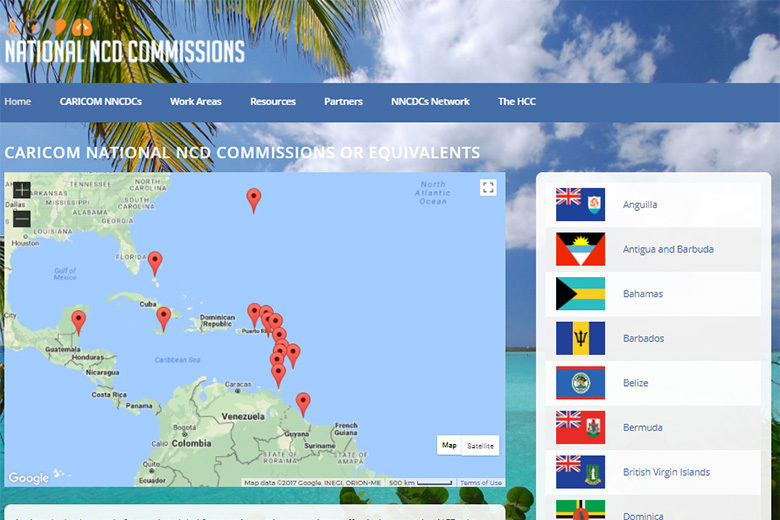
New Online Portal of Caribbean NCD Commissions Launched
NewsNon-communicable diseases

New Online Portal of Caribbean NCD Commissions Launched

Yesterday, the Healthy Caribbean Coalition launched an online portal of all the non-communicable disease  (NCD) commissions in the Caribbean. The portal gives information on all active boards, groups or bodies that have been established to coordinate their countries’ plans for the prevention of NCDs. The aim of this portal is to raise awareness of the work being conducted on NCDs so that those interested in this area can learn more about the work being conducted in the Caribbean, and by whom.

The development of the portal was developed to support one of the recommendations of the 2007 Port of Spain Declaration: Uniting to Sport the Epidemic of NCDs which stated that:

 “We strongly encourage the establishment of National Commissions on NCDs or analogous bodies to plan and coordinate the comprehensive prevention and control of chronic NCDs.”

This portal highlights the progress that governments across the Caribbean have made in taking forward this recommendation and the Healthy Caribbean Coalition will keep the portal updated to ensure it gives a true reflection of the work being conducted across the Caribbean.

For more information about the portal and to access it, please click here

Our Diabetes Champions Raise Awareness at Croydon College
BlogDiabetesNon-Communicable Diseases (NCDs)

Our Diabetes Champions Raise Awareness at Croydon College

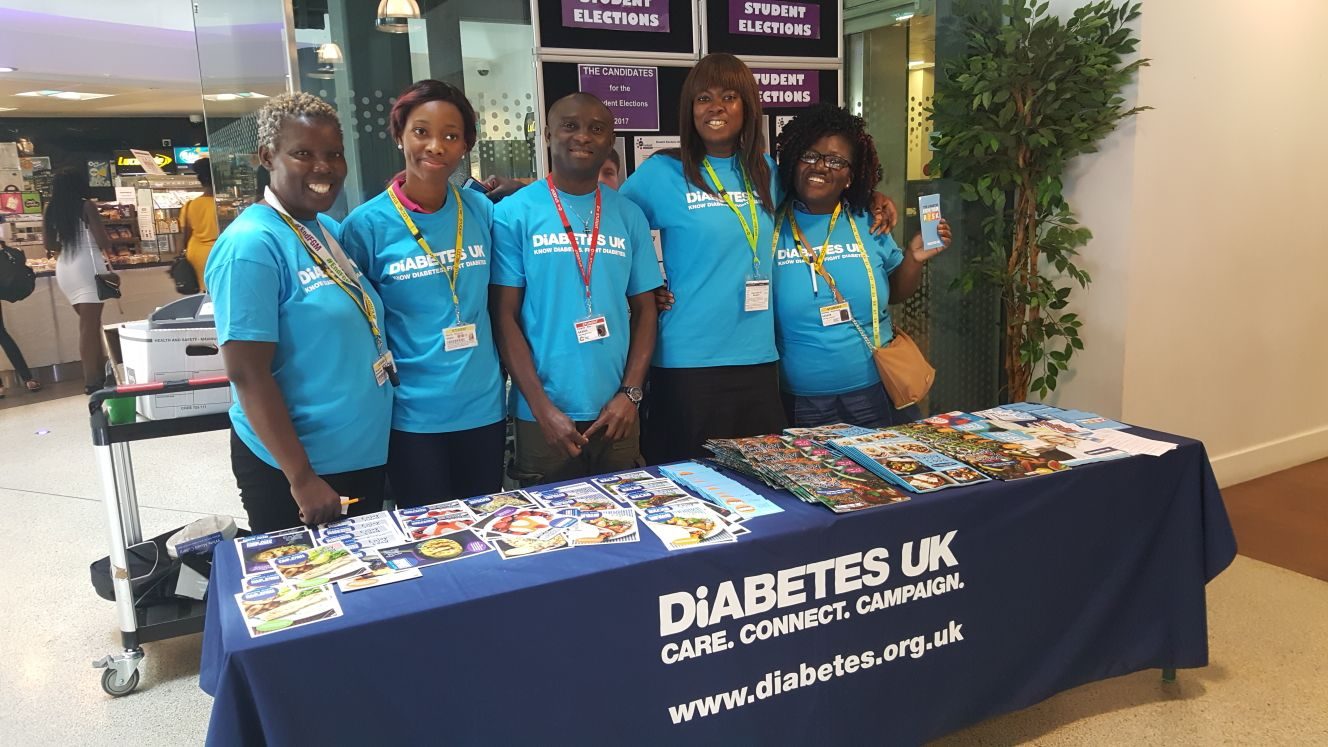
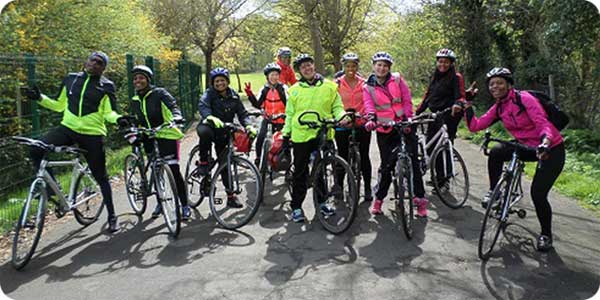
Type 2 diabetes is three times more common in the black community and as this type of diabetes can be prevented or delayed with a healthy lifestyle we can make a huge difference in our community by raising awareness.  With this in mind The Lake Foundation has teamed up with Diabetes UK with funding from Croydon Council to run a diabetes community champion project. The aim of this project is to empower the black community with the information that is needed to fully understand diabetes, its symptoms, risk factors and prevention so action can be taken.

We’ve recruited 17 community champions who have received in-depth training from Diabetes UK. The training has equipped them to get out in the community and effectively raise awareness and encourage behaviour change. They will get out and about targeting black churches, businesses and other organisations and we hope that this will make a significant difference in reducing the negative impact of diabetes on the black community in Croydon. We’ll be getting across the message that we can all reduce our risk of developing diabetes by eating a healthier diet, doing more exercise and maintaining a healthy weight.

On 14th June, our champions hosted their first awareness event at Croydon College where they raised awareness amongst staff and students giving out leaflets and encouraging people to take Diabetes UK’s useful ‘know your risk’ test. In addition to this they also helped out on 10th June at Diabetes UK and the Thinking Forward Initiative’s diabetes workshop in Crystal Palace.

Through both of these event our champions were able to reach our community, raise awareness and get people to think about lifestyle changes they can make to improve their health and reduce their risk of developing diabetes.

We’re so happy with the great work our champions have done so far and we’ll be back out in Croydon soon raising awareness. We’ll see you all on our travels!