Contacts

Bird Rock, St Kitts, St Kitts and Nevis, West Indies

info@lakehealthandwellbeing.com

+1 869 765 8702

Category: Women’s Health

Because We CareBlogVolunteer BloggersWomen's Health

My Journey With PCOS

Today’s blog post comes from Andrea Kallumadyil. Andrea is from Ontario, Canada and is a medical student from UMHS. She is currently the president of Because We Care and the vice president of the American Medical Student Association at UMHS. 

In this post, Andrea bravely shares her journey with PCOS and the life lessons it has taught her along the way. 


One of my earliest memories as a child is standing in the hallway with my Grade 3 teacher as I chugged three boxes of apple juice. My Mom picked me up soon after, and I was to have my first ultrasound in a nearby city later that day. The week before, I had my first period. Being of South Asian descent, my family was beyond excited that I had “become a woman” at 8. We spent the afternoon, to my embarrassment, calling up relatives in India announcing the good news. My parents took me out to a nearby convenience store, where I picked out a gift to celebrate the big day. On our way home, we stopped at the walk-in clinic to make sure everything was okay. Practising in a small town with predominantly white patients, my doctor had never had a patient have their period so young. She assumed it could be explained by my South Asian background but decided to run some tests just in case it was something else. The healthcare staff poked and prodded me, only for the tests and ultrasound to come back normal. I was sent home and did not have another period for four years.

I got my period again when I was 12 years old. My periods seemed to have a mind of their own. They would come and go as they please – but they were consistently heavy, caused me a lot of pain, and lasted at least a week. A few months into this unpredictable cycle, I had a period that was more than 30 days long. I was pale, and my hands and feet were freezing in the middle of the summer. They ran some blood tests and referred me to a gynaecologist. I was not only anaemic but also had high levels of free testosterone in my system. Given my lab values and symptoms, the gynaecologist had said it was a straightforward diagnosis: PCOS.

What is PCOS? What are the Symptoms? 
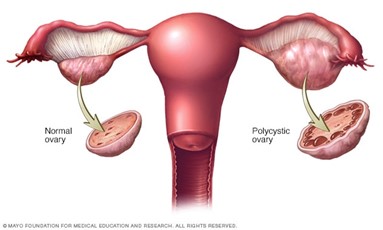
Polycystic Ovarian/Ovary Syndrome is an endocrine (hormonal) disorder that affects the normal functioning of your ovaries. The three main features are

  1. Ovary Dysfunction: Presents as irregular periods, including infrequent periods, prolonged periods, and an absence of periods.
  2. High levels of androgen: Determined either with a blood test or via symptoms of hirsutism (excess body/facial hair) or acne.  Androgens, although referred to as male sex hormones, are naturally occurring hormones at low levels in females.
  3. Cystic Ovaries: The collection of fluid in follicles preventing the release of an egg during your menstrual cycle (ovulation).

A patient usually requires at least two of the three main features to be diagnosed with PCOS. The different combinations give rise to 4 distinct PCOS phenotypes:

  1. Phenotype A: High levels of androgen, ovary dysfunction, and cysts.
  2. Phenotype B: High levels of androgen and ovary dysfunction
  3. Phenotype C: High levels of androgen and cysts.
  4. Phenotype D: Ovary dysfunction and cysts.

In my case, I had irregular periods and high levels of androgen shown both in my blood tests and excessive body and facial hair (hirsutism): Phenotype B. During your diagnostic process, your health care provider may also order an ultrasound and gynaecological exam to rule out other potential causes for your symptoms.

Hirsutism is hard to assess, especially since many populations – Middle Eastern, South Asian and Mediterranean – have more body/facial hair than other ethnic groups, despite having normal androgen levels. Being of South Asian background myself, and the only South Asian family in a then-predominantly white community, my hirsutism was initially overlooked. For many young persons with PCOS, including myself, this continues to be one of the most challenging symptoms to manage.

Outside of the 3 diagnostic features, PCOS has many other symptoms and complications, including:

  • Infertility: PCOS is one of the most common causes of infertility due to less frequent ovulation. It can also increase the risk of pregnancy complications like gestational diabetes and miscarriage.
  • Weight Gain and Trouble with Weight Loss: Almost 80% of persons diagnosed with PCOS are overweight. Additionally, being overweight can make other PCOS symptoms even worse.
  • Metabolic Syndrome: Those overweight and those with PCOS are at risk for insulin resistance leading to diabetes, high blood pressure, and high cholesterol levels. This puts those with PCOS at risk for developing heart disease – as many as 50% of persons with PCOS will have insulin resistance.
  • Androgenic Alopecia: Excess androgen can cause hair loss on the head. Resembles male pattern balding.
  • Acanthosis Nigricans: Dark and thick skin around the neck, breasts, armpits, and groin area
  • Sleep Apnea: The risk is about 5-10 times higher for those with PCOS. This is primarily because those with PCOS are likely to be overweight.
  • Depression, Anxiety & Disorders: Hormonal changes along can increase the likelihood of experiencing depression. Symptoms like hirsutism can increase this risk.
  • Endometrial Cancer: The lining of the uterus (endometrium) is at risk of developing cancer if you are insulin resistant, overweight or have trouble ovulating – all of which are PCOS features.
  •  

Treatment

medications

With each additional symptom, my doctor explained, I felt myself becoming more and more ostracized, imagining all the new ways I’d look even more different from my friends in my hometown. The racing images came to a halt when I heard the word infertility. I was too shocked to process the rest of the information I received and was frankly too embarrassed to ask any questions about what I did hear. I was prescribed an oral contraceptive for my irregular cycles and Vaniqa (a topical hair growth inhibitor) for my hirsutism and left the office. When we got in the car, my Mom asked if I was okay, and in response, I cried the entire 45 minutes home.

I wish I knew that although PCOS is one of the most common causes of infertility, it is also one of the most treatableThere are many options available to manage the symptoms of PCOS.

  • Oral Contraceptive PillsOCPs help regulate hormone levels and foster regular, predictable periods that are shorter in duration with a lighter flow.
  • Metformin: A diabetes drug that improves insulin resistance, can promote weight loss, reduces the rate of miscarriage, and promotes regular menstrual cycles.
  • Spironolactone: An androgen medication that can be used to lower androgen levels in your body. This will improve symptoms of androgenic alopecia, hirsutism, and hormonal acne.
  • Hair Removal: Once hormone levels are managed, many people have success with electrolysis – the only truly permanent hair removal solution. A probe is inserted into each hair follicle to destroy each hair’s growth centre. Other less permanent methods include laser hair removal, epilation, threading, sugaring/waxing, or depilatory creams. A hair growth inhibitor like Vaniqa can also be used, but the hair will resume growth if you cease usage.
  • Weight Loss: Losing up to 5-10% of your body fat can be enough to kick start ovulation. There is also some evidence that a low carb diet may improve your hormone levels and increase fertility. A healthy lifestyle consisting of nutritious foods and exercise will enhance fertility treatment effectiveness regardless of weight loss – remember, it is highly recommended to consult a health care provider before making any significant lifestyle changes.
  • AcupunctureThere is some emerging evidence that acupuncture procedures restore LH and FSH hormone ratios and promote regular menstrual cycles in those with PCOS.
  • Surgery: A laparoscopic procedure that involves destroying a part of the ovary with an electric current. This can stimulate ovulation and decrease androgen levels. The results last for a few months.
  •  

For those trying to get pregnant, additional treatment options include:

  • Fertility DrugsClomid is a fertility drug that triggers ovulation and is often used in combination with metformin. Although some persons can become resistant to the drug, Letrozole (a cancer drug) has shown to be effective in stimulating ovulation in such situations. Injectable gonadotropins are also available under different brand names to stimulate ovulation. However, those with PCOS are at a high risk of developing ovarian hyperstimulation syndrome. Furthermore, you are also at increased risk for multiple pregnancies.
  • Intrauterine Insemination (IUI)A process involving sperm placement in the uterus with a catheter. This process is known to increase the total number of sperm that reach the fallopian tubes.
  • In Vitro Fertilization (IVF): After stimulation of egg production, multiple eggs are removed and inseminated in a lab dish. Multiple embryos are transferred a few days later back into the uterus.

There is also evidence that the following supplements can relieve some symptoms of PCOS. They include:

  • Myo-inositol: Reduces the risk of gestational diabetes
  • Inositol: Increases the number of ovulations, thereby leading to a higher chance of successful conception.
  • Omega-3 Fish Oils: Lowers total cholesterol levels.
  • Co-Supplementation of Magnesium, Zinc, Calcium, and Vitamin D: Provides beneficial effects on hormone levels while reducing inflammation and oxidative stress caused by PCOS.

Living With PCOS

Being diagnosed and starting treatment at a very young age, I was fortunate to not have to deal with the unpredictability of irregular periods. However, I did struggle with managing my hirsutism. I started laser hair removal almost immediately after my diagnosis and embarked on a process that would last several years. I bleached most of my body hair to feel comfortable wearing revealing clothes. I eventually switched to electrolysis, which did reduce the amount of hair grown by 30% but was incredibly painful and time-consuming. I considered myself a very anxious person but was officially diagnosed with anxiety and depression at the beginning of my undergraduate degree. I quickly gained a lot of weight following a high-stress period and my hirsutism got much worse as a result. I went on the keto diet to lose it and obsessively worked out.

However, a restrictive lifestyle like that was not sustainable for me and did not promote good mental health. I was still terrified that I would never have kids and am to this day very set on a specific timeline in my head. I initially set aside my career goals of becoming a physician for something attainable in a shorter period. I bounced from counselling to nursing to speech-language pathology. I did every possible prerequisite during my bachelor’s degree to keep all of my options open. I read countless blogs and videos of what other persons with PCOS did for family planning, careers, and managing their symptoms. I realized that everyone had their own unique story and that the only commonality is that they all did what made them happy. Those that wanted to start a family were able to do so without compromising their career goals. From then on, I began to focus on what I wanted instead of letting my PCOS control every little detail of my life. I stopped being so hard on myself for having symptoms. I started to wear short sleeves without bleaching, I got into the program I wanted to get into, and most importantly, I began to accept myself for who I am. It has been such a freeing experience.

For those currently struggling with PCOS right now:

  1. Try not to compare yourself to anyone else.
  2. Work on what is best for you, given your own story.
  3. Learn to be comfortable in your skin.
  4. Talk to your health care provider to figure out the best way to manage your symptoms.
  5. And most importantly: do not let anyone convince you that your PCOS can stop you from doing whatever you set your mind to.

****

We would like to say a big thank you to Andrea for being so open and bravely sharing her PCOS story. If you’d like to ask her a question, please leave it in the comments section below or you can email your question to info@lakehealthandwellbeing.com 


Sources

  1. D’Anna, R., Di Benedetto, V., Rizzo, P., Raffone, E., Interdonato, M. L., Corrado, F., & Di Benedetto, A. (2012). Myo-inositol may prevent gestational diabetes in PCOS women. Gynecological endocrinology : the official journal of the International Society of Gynecological Endocrinology28(6), 440–442. https://doi.org/10.3109/09513590.2011.633665
  2. Alois, M., & Estores, I. M. (2019). Hormonal Regulation In Pcos Using Acupuncture And Herbal Supplements: A Case Report And Review Of The Literature. Integrative Medicine (Encinitas, Calif.)18(5), 36-39.
  3. Arentz, S., Smith, C. A., Abbott, J., & Bensoussan, A. (2017). Nutritional supplements and herbal medicines for women with polycystic ovary syndrome; a systematic review and meta-analysis. BMC complementary and alternative medicine17(1), 500. https://doi.org/10.1186/s12906-017-2011-x
  4. Lizneva, D., Suturina, L., Walker, W., Brakta, S., Gavrilova-Jordan, L., & Azziz, R. (2016). Criteria, prevalence, and phenotypes of polycystic ovary syndrome. Fertility and sterility106(1), 6–15. https://doi.org/10.1016/j.fertnstert.2016.05.003
  5. Maktabi, M., Jamilian, M., & Asemi, Z. (2018). Magnesium-Zinc-Calcium-Vitamin D co-supplementation improves hormonal profiles, biomarkers of inflammation and oxidative stress in women with polycystic ovary syndrome: a randomized, double-blind, placebo-controlled trial. Biological trace element research182(1), 21–28. https://doi.org/10.1007/s12011-017-1085-0
  6. Polycystic Ovary Syndrome (PCOS). (2020). Retrieved 16 October 2020 from https://www.mayoclinic.org/diseases-conditions/pcos/symptoms-causes/syc-20353439
  7. Polycystic Ovary Syndrome. (2012). Retrieved 16 October 2020 from https://americanpregnancy.org/womens-health/polycystic-ovary-syndrome-70990
  8. Polycystic Ovary Syndrome. (2019). Retrieved 16 October 2020 from https://www.womenshealth.gov/a-z-topics/polycystic-ovary-syndrome
  9. Polycystic Ovary Syndrome. (2019). Retrieved 16 October 2020 from https://www.healthlinkbc.ca/health-topics/tw9103


Fibroids, Soursop and Guava
BlogFibroids

Fibroids, Soursop and Guava

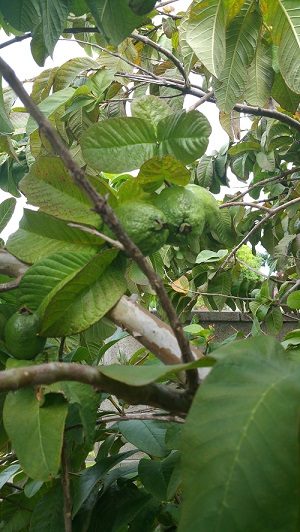
Over the past month, as we have been conducting our regular monitoring of the traffic to our website, we have noticed a lot of visitors are coming to our website to find out whether soursop or guava are beneficial for fibroids. So, today, we will visit published research to see if we can answer this question.

 How We’re Going to Approach This Question

The first thing to say about this topic is there isn’t a lot of evidence-based information out there. What we found were discussions by scientists about the possibilities, there wasn’t any concrete data that could definitively answer this question.

To explore whether guava and soursop may be beneficial in treating fibroids, we will focus on one scientific paper, which was the only one we could find that was related to this topic.

This paper was published by the Department of Experimental and Clinical Medicine at the Polytechnic University of Marche in Italy, in 2014.

Their paper, the ‘Use of dietary phytochemicals to target inflammation, fibrosis, proliferation, and angiogenesis in uterine tissues: Promising options for prevention and treatment of uterine fibroids?,’  is a review of a  selection of substances (phytochemicals) found naturally in certain fruits and vegetables which, because of their properties, could be useful in treating and preventing fibroids.

This paper is important in our exploration because some of the phytochemicals included in the researchers’ review are found in soursop and guava.

Some Background: What are Phytochemicals?

Before we summarise the relevant information provided in this paper, we thought it would be useful to define the term phytochemical. Harvard University describes phytochemicals as:

”…plant (phyto) chemicals: compounds in plants (fruits, vegetables, whole grains, nuts, seeds, and legumes) that contribute to their color, taste, and smell.”

Some commonly known phytochemicals are carotenoids, found in carrots, pumpkin, corn and tomatoes; flavonoids, found in citrus fruits, berries, apples and legumes and anthocyanins, which are found in berries, eggplant and red cabbage.

It is widely known that phytochemicals have a range of health benefits. These benefits include reducing our risk of heart disease, cancer and other chronic diseases and this is achieved because of their antioxidant and anti-inflammatory effects as well as a range of other effects.

What Does This Research Paper Tell Us?

The researchers who wrote this paper began their exploration by describing four possible factors that contribute to the development of fibroids. These are:

  • A chronically active inflammatory immune response
  • Fibrosis (a process that leads to the formation of scar tissue) which is a result of inflammation
  • Increased rate of cell growth in fibroid cells
  • The development of new blood vessels which feed fibroid cells

Researchers explained that if phytochemicals are able to address these four factors, they may be useful in preventing and treating fibroids.

Like many fruits, guava and soursop are rich in phytochemicals.  Guava is known to contain the phytochemicals lycopene, quercetin, anthocyanin, and many others.  Whilst soursop contains reticuline, coreximine, quercetin, gallic acid and others.

In their paper, researchers discuss a range of phytochemicals including ones that are relevant to guava and soursop – lycopene and quercetin. They explain that at the time of the publication of their paper, lycopene and quercetin have not been tested in fibroids, but based on what scientists know about these two chemicals they may be beneficial in the prevention and treatment of fibroids.  This is because when we look back at the four possible ways that fibroids develop, these two phytochemicals can potentially target these processes. They have both been found to have the following effects:

  • An anti-inflammatory effect
  • Anti-fibrotic effect
  • Prevent the growth of different types of tumour cells (fibroids are benign tumours)
  • Prevent the development of blood vessels that feed tumour cells

Researchers couldn’t make any conclusions on these phytochemicals with regards to fibroids, but their discussion has identified these and other phytochemicals which could be beneficial in the prevention and treatment of fibroids. These include:

  • Allicin (found in garlic)
  • Ellagic acid (found in strawberries, raspberries, cranberries, blackberries, pecans, pomegranates, walnuts, wolfberry and grapes)
  • Indole-3-carbinol (found in cruciferous vegetables e.g. broccoli, cabbage, cauliflower, Brussel sprouts, bok choy, collard greens, kale etc.
  • Lycopene (found in tomato, watermelon, papaya, pink guava, pink grapefruit and apricots)
  • Quercetin (found in lemon, tomato, onion leaves, strawberries, soursop and tea)

They stated that based on the information they presented, there is a need to understand whether these phytochemicals are indeed beneficial for fibroids and this should be explored through future studies that carefully and accurately determine their mechanism of action and effectiveness in the treatment and prevention of fibroids.

What Does this Mean for Women With Fibroids?

This research study has raised the idea that the phytochemicals in soursop and guava may be beneficial in the treatment and prevention of fibroids. It doesn’t mean that eating soursop and guava will cure your fibroids, the reason for this, and this is discussed in the research paper, is that when you eat these fruits we don’t know if your body is absorbing enough of these phytochemicals to have a significant impact on the growth and development of fibroids.

What we can say is that if you have fibroids, if you haven’t already, we recommend that you adopt a healthy diet that is rich in fruits and vegetables, this can include soursop and guava, but should include cruciferous vegetables.  Studies have shown that making dietary changes can be helpful in improving some of the symptoms of fibroids as can introducing more exercise into your routine.

It is also recommended that women with fibroids avoid certain foods such as alcohol, caffeine, red meat and foods that may contain high levels of hormones like oestrogen.

If you have fibroids and would like to explore dietary changes and exercise as a way of managing your symptoms, please speak to your doctor first. She/he will be able to advise you on the best approach based on your specific situation as the success of these approaches will depend on the size of your fibroids and other factors.  You may also want to speak to a registered dietitian who along with your doctor will be able to provide some advice on the dietary changes that you can make.

Was this Helpful?

Were you one of the people looking for information on fibroids and guava and/or soursop? Was this article helpful? Let us know your thoughts by leaving a comment below. We would love to hear from you.

References

  1. Agu KC, Okolie PN. Proximate composition, phytochemical analysis, and in vitro antioxidant potentials of extracts of Annona muricata(Soursop). Food Sci Nutr. 2017;5(5):1029-1036. Published 2017 Jun 29. doi:10.1002/fsn3.498
  2. Chiari-Andréo, Bruna & Trovatti, Eliane & Marto, Joana & Almeida-Cincotto, Maria & Melero, Ana & Corrêa, Marcos & Chiavacci, Leila & Ribeiro, Helena & Garrigues, Teresa & Isaac, Vera. (2017). Guava: Phytochemical composition of a potential source of antioxidants for cosmetic and/or dermatological applications. Brazilian Journal of Pharmaceutical Sciences. 53. 10.1590/s2175-97902017000216141.
  3. Deepa PC., Kumaria IR., and Lavanya B. (2015) Phytochemical Analysis, Antioxidant and Anti Microbial Activity of White and Pink Psidium Guajava Linnaeus. International Journal of Current Pharmaceutical Research, 7(2), pp 29-31.
  4. Harvard Health Publishing., (2019). Fill up on phytochemicals [Online]. Harvard Medical School. [Viewed on 4th July 2020]. Available from: https://www.health.harvard.edu/staying-healthy/fill-up-on-phytochemicals
  5. Islam MS, Akhtar MM, Ciavattini A, et al. Use of dietary phytochemicals to target inflammation, fibrosis, proliferation, and angiogenesis in uterine tissues: promising options for prevention and treatment of uterine fibroids? Mol Nutr Food Res. 2014;58(8):1667-1684. doi:10.1002/mnfr.201400134
  6. Jacoby VL, Jacoby A, Learman LA, et al. Use of medical, surgical and complementary treatments among women with fibroids. Eur J Obstet Gynecol Reprod Biol. 2014;182:220-225. doi:10.1016/j.ejogrb.2014.09.004
  7. Leitzmann C. Characteristics and Health Benefits of Phytochemicals. Forsch Komplementmed. 2016;23(2):69-74. doi:10.1159/000444063
  8. Shen Y, Wu Y, Lu Q, Ren M. Vegetarian diet and reduced uterine fibroids risk: A case-control study in Nanjing, China. J Obstet Gynaecol Res. 2016;42(1):87-94. doi:10.1111/jog.12834
July is Fibroid Awareness Month
BlogFibroids

July is Fibroid Awareness Month

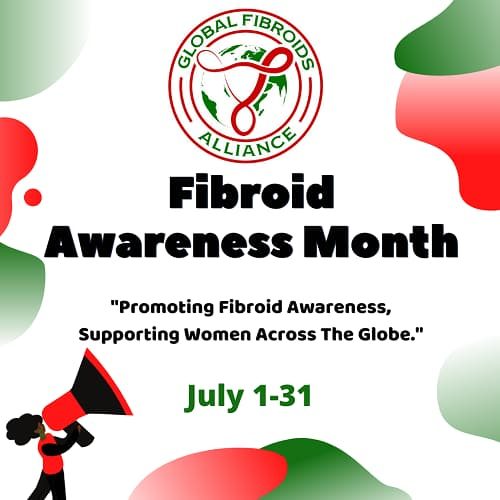
July is recognised as Fibroid Awareness Month in some countries and it’s a great opportunity to put the spotlight on a health condition that receives little attention.

This year, we are delighted to be a part of the newly formed Global Fibroids Alliance whose aim is to raise awareness of fibroids and advocate for the change that is required to improve the health and wellbeing of women with fibroids as well as the quality of care women receive.

The Global Fibroids Alliance is a diverse group of health and wellbeing practitioners, researchers and consultants who have come together to strengthen the global approach to improving the information, treatment, care and support for all those affected by fibroids.  We hail from the Caribbean, US, UK and France and are calling for:

  1. More awareness campaigns on fibroids
  2. Fibroids education to be part of menstrual health education and delivered to all girls from the age of 10.
  3. Every country to provide women with all the treatment options for fibroids.
  4. Each woman suspected to have fibroids to be carefully assessed, and a treatment and wellness plan be developed in collaboration with the patient that suits the patient’s specific situation and is based on the concept of informed and shared decision-making.
  5. Collaborative alliances to be formed between traditional and non-traditional/complementary therapists, gynaecologists and counsellors to ensure that women are receiving a holistic and comprehensive approach when deciding on their wellness plans.
  6. More research to establish the cause of fibroids so that more effective treatments can be developed.
  7.  More attention on the psycho-social impact of fibroids so that we can determine the full impact of fibroids and the support that women throughout the world require.

As part of Fibroid Awareness Month, we are delighted to invite women with fibroids to our first event which is a webinar on Fibroids and COVID-19.  This webinar aims to explore how the COVID-19 pandemic may be affecting women with fibroids and will discuss what women can do to improve their physical and mental health during this challenging period.

Speakers will include:

You can register for this webinar here and if you have any questions, please email GFA2020@mail.com

We look forward to seeing you then and you can find out more about the members of the Global Fibroids Alliance here

COVID-19 and Fibroids: Tips for Self-Care & Managing Stress
BlogCOVID-19FibroidsVolunteer Bloggers

COVID-19 and Fibroids: Tips for Self-Care & Managing Stress

Today’s blog post comes from Mariana Ndrio. Mariana is a second-year medical student at the University of Medicine & Health Sciences (UMHS) in St. Kitts and is currently serving as the President of the American Medical Student Association (AMSA) on campus.

Mariana has recently started volunteering with us as a research assistant and is supporting us as we conduct our fibroids qualitative study. She is also creating a fibroids and COVID-19 infographic which will be published shortly.  

Today, Mariana discusses the challenges that fibroids patients may be experiencing during this COVID-19 pandemic and shares some evidence-based self-care and stress management tips to help women with fibroids manage during this difficult period.


As the COVID-19 pandemic continues to prompt stressful changes to our daily routine and lifestyle, health-related worries regarding ourselves and loved ones have undoubtedly intensified. While the growing uncertainties stemming from financial difficulties and social isolation impact the health and personal decision-making of everyone across the globe, women suffering from uterine fibroids are facing unprecedented challenges in their attempts to preserve their mental and physical wellbeing.

Uterine fibroids are the most common benign tumours among women. While some cases of fibroids are accompanied by no side effects, other cases contain patterns of heavy menstrual bleeding, long and irregular periods, pelvic pressure and pain, constipation, frequent urination, and in rare occasions, infertility.

Treatment for fibroids can range from no treatment at all to surgery, depending on the severity of symptoms. Aside from apparent physical symptoms, the psychological impact of fibroids should not be disregarded. In a 2013 national survey of 968 women suffering from fibroids, 79% of the surveyed women expressed fear that their fibroids will grow or experience further health complications. According to a 2014 study assessing the emotional impact of fibroids half of the participating women reported feeling helpless and that they had no control over their fibroids, because of the difficulty managing and predicting the heavy menstrual flow.

Black women are 3 times more likely to become diagnosed with fibroids than white women, just as they are more likely to develop fibroids at a younger age; moreover, their fibroid size, frequency, and symptom severity are much greater.

As a medical student that remains generally impressed by the increasing amount of existing medical and scientific knowledge, researching gynaecological diseases such as fibroids have led me to a stark realization: that despite the high prevalence of uterine fibroids among women, not enough high-quality data is available to formulate evidence-based guidelines that address patients’ needs adequately. This points to a larger, unforgiving gap in medical knowledge pertaining to common diseases affecting women, and when combined with the gap in medical knowledge regarding COVID-19, a mixture of increased emotional stress and confusion is to follow. Such stress can hinder overall physical health and may exacerbate fibroid symptoms by influencing cycle length, vaginal bleeding patterns, and painful periods. If you are feeling uncertain or anxious, know that you are not alone; your worries and feelings are valid.

For that matter, we compiled some scientifically-backed tips that could be helpful in restoring a sense of control and ease in these difficult and unprecedented times.

First, don’t hesitate to reach out.

While staying home and self-isolating is the best way to stay protected from COVID-19 and prevent the spread of the virus, this should not halt or compromise access to necessary medical care for women suffering from fibroids.

If you need to see a healthcare provider for a gynaecological reason, reach out to your medical provider and try to see if they are able to set up a virtual appointment or address non-urgent concerns over the phone (such as prescription refills). 

While it is true that a lot of non-urgent appointments and elective surgeries are cancelled, many medical professionals and medical facilities are encouraged to use and have already embraced telehealth services which allow long-distance patient and clinician care via remote and virtual appointments, intervention, education, and monitoring. Telehealth services vary based on your location and medical provider. But even if you are having difficulties accessing gynaecological telehealth services locally, you might be able to reach out to service providers in other countries such as the U.K, U.S, or Canada. For example, USA Fibroid Centers provide virtual appointments you can schedule online. Women to Women OB GYN Care, located in Florida, states in their website that they welcome appointments from women internationally and the Caribbean. The Pan American Health Organization (PAHO) has also attempted to establish or expand telehealth services in a lot of Caribbean countries.

Keep up to date with your prescribed medications.

medications

Keeping up to date with your prescribed medications can be confusing during a pandemic. You might feel like your regular access to your medical provider or pharmacy is compromised, you might worry that your current medications might be making you vulnerable to the COVID-19 or you might be feeling uncertain regarding the continuation of your current prescribed medications or supplements.

Nonetheless, it is important that you continue taking your prescribed medications and/or supplements unless otherwise advised by your physician.  If you are receiving preoperative therapy (Zoladex, Lupron, etc.) but your surgery is cancelled, ask your physician regarding the course of your current prescribed therapy. If you have been prescribed a drug called Esmya (Ulipristal Acetate), you must consult with your physician regarding its discontinuation; as of 2020, Esmya’s license has been suspended due to the risk of serious liver injury. As mentioned previously, do not hesitate to discuss any concerns you might have regarding your current medications and supplements with your medical provider.

Plan ahead.

Studies show that women with fibroids might present heavier, prolonged bleeding and frequent, irregular periods. While everyone during a pandemic is worrying and trying to secure produce and disinfecting supplies, women suffering from fibroids have to also think about stocking up on female hygiene products. Especially, since frequent trips to the stores must be limited due to social distancing/quarantine rules.

Ensure that you have enough gynaecological hygiene products at home, to eliminate frequent trips to the store and avoid exposure to the virus. This by no means should be considered as the green light to go into a buying frenzy. Try to remain conscientious of the needs of others.

If buying hygiene products in bulk is not an option due to financial difficulty or store availability, reach out to local non-governmental organizations (NGOs) or philanthropic entities, that might be willing to donate hygiene products such as the Days for Girls International Organization or even by reaching out directly to product manufacturers. Local grassroots organizations or associations in your region might also be able to donate hygiene items. Moreover, the governmental departments of public health or genders affairs might be willing to assist women in need of hygiene products.

This pandemic could also be a good time to consider reusable, more economical and environmentally friendly menstruation products such as washable pads, menstruation caps, or absorbent underwear.  Check Days for Girls .org and learn how to make sanitary washable period pads during the COVD-19 pandemic, diligently following sanitary safety precautions.

Maintain healthy eating habits. 

Research has shown that following a healthy balanced diet, filled with fruits and vegetables, could lower the risk of developing fibroids and may help to alleviate symptoms.

While access to your usual healthy foods might be compromised at the moment, try to make healthy dietary choices while in quarantine. More specifically, dieticians recommend an increase in the consumption of cruciferous vegetables such as cabbage, broccoli, and kale. This category of food contains a phytochemical called indole-3-carbinol which recent research has suggested may prevent the cellular proliferation of fibroids and consequently prevent exacerbation of fibroid symptoms.

For many years, there has been a significant amount of scientific evidence that vitamin D may inhibit fibroid growth. Get your serum vitamin D levels tested and supplement (with medical supervision) as needed to correct a deficiency. A few recently published studies assessing the role of vitamin D against COVID-19, suggested that there is a possible link between the two and that vitamin D can have a protective effect against COVID-19.

Stay hydrated by consuming adequate amounts of water during the day and eliminate alcohol and caffeine. Researchers are advising women to avoid alcohol and caffeine because these substances are metabolized by the liver adding more stress on it and making it work less effectively at metabolizing oestrogen in the body.  Additionally, amidst the COVD-19 pandemic, the World Health Organization (WHO) urged the public to reduce alcohol consumption because alcohol compromises the body’s immune system and increases the risk of adverse health outcomes, making people more vulnerable to COVID-19. In other words, by cutting out alcoholic beverages, you are protecting yourself from adverse outcomes from both the COVID-19 and fibroids.

In addition, researchers believe that endocrine-disrupting chemicals (EDCs) which mimic oestrogen activity, may fuel fibroid growth. Examples include processed foods which contain various oestrogen-like preservatives; bisphenol A in water bottles, canned foods and plastic containers; various pesticides, herbicides, insecticides; and additive hormones and steroids used in meats and dairy products.

Try to choose organic, locally grown and in-season foods that are hormone and pesticide-free. Attentively wash any produce and peel fruits and vegetables. Reduce the use of plastics whenever possible and avoid reusing plastic water bottles or microwave food in plastic containers.

Stay active.

Research shows that a higher BMI – body mass index – is linked to the development of fibroids. By exercising you can reduce your BMI and prevent the fibroids’ growth. It may also help alleviate symptoms caused by fibroids. At the same time, exercise improves mental health by reducing anxiety, depression, and negative mood and by improving self-esteem.

Continue performing simple or recreational household chores and find an indoor workout routine such as yoga or aerobic exercises that you can perform at home while keeping up with the rules of quarantine. Choose what works best for you, based on your physical fitness and medical advice.

Be gentle to yourself—your body & your mind

On days that you are feeling pain and other fibroid symptoms, rest up and give your body time to heal. Try to soothe cramps by applying heat and wear comfortable clothes.

It’s okay to spend a whole day in bed recovering. Be gentle with yourself and do not undermine what your body is trying to tell you.

We live in a society where time and productivity are precious and synonyms for money and self-worth. Yet, nothing is more precious than your physical and emotional well-being. Do not feel guilty for taking some time to rest and recover.

Although self-care looks different for everyone and should be based on your personal needs and situation, there are a few suggestions that could work for you and help you boost your mental well-being:

  • Try to meditate and practice mindfulness. You can find a lot of free guided meditations online or on YouTube.
  • Monitor your thoughts and feelings in a journal.
  • Practice good sleep hygiene. Maintain a sufficient sleep schedule, stay away from electronic devices while in bed, and start a regular bedtime routine—such as drinking a soothing tea, taking a warm bath or shower, reading, etc.
  • Limit the amount of media you ingest daily.
  • If you live alone reach out to family and friends via phone or video. If you live with family, roommates, or a partner use this time to connect and nurture your relationships.

And remember, during these confusing and unprecedented times and while you are feeling that this pandemic is affecting you, in particular, a bit harder than the rest, there is always a community of women who are feeling exactly like you—you are not alone.


Sources

  1. Mayo Clinic website: “Uterine Fibroids.” – http://www.mayoclinic.com/health/uterine-fibroids/DS00078.
  2. Seminars in reproductive medicine: “Uterine Fibroids: Burden and Unmet Medical Need.” – https://www.ncbi.nlm.nih.gov/pmc/articles/PMC6193285/
  3. CARE About Fibroids: “Uterine Fibroids: The Emotional, Physical, and Economic Toll.” – http://www.careaboutfibroids.org/toll-of-fibroids.html
  4. The BMJ, British Medical Journal Publishing Group:  “Uterine Fibroid Drug Is Recalled after Case of Liver Failure Requiring Transplant Prompts EU Review.” www.bmj.com/content/368/bmj.m1112.
  5. American Journal of Clinical Nutrition: “Dietary glycemic index and load in relation to risk of uterine leiomyomata in the Black Women’s Health Study.” – https://www.ncbi.nlm.nih.gov/pmc/articles/PMC2854903/
  6. Journal of Obstetrics and Gynaecology: “Vegetarian diet and reduced uterine fibroids risk: A case-control study in Nanjing, China.” https://www.ncbi.nlm.nih.gov/pubmed/26458740
  7. Reproductive Biomedicine Online Journal: “Quercetin and indole-3-carbinol inhibit extracellular matrix expression in human primary uterine leiomyoma cells” – https://www.sciencedirect.com/science/article/abs/pii/S1472648320300249
  8. Fertility and Sterility Journal:  “Endocrine-disrupting chemicals and uterine fibroids.”- https://www.ncbi.nlm.nih.gov/pmc/articles/PMC5051569/
  9. Healthline Magazine: “How Alcohol Can Affect your Immune System.”- https://www.healthline.com/health-news/can-alcohol-hurt-your-immune-system-during-covid-19-outbreak
  10. The Elusive Magical Solution: The Relationship between Vitamin D and Fibroids- https://scholars.direct/Articles/gynecology-and-obstetrics/ago-3-008.php?jid=gynecology-and-obstetrics
  11. The role of Vitamin D in the prevention of Coronavirus Disease 2019 infection and mortality- (https://www.researchsquare.com/article/rs-21211/v1)
  12. American Journal of Epidemiology: “Association of Physical Activity with Development of Uterine Leiomyoma.”                – https://academic.oup.com/aje/article/165/2/157/97971
  13. Mayo Clinic: “ COVID-19 and Your Mental Health”- https://www.mayoclinic.org/diseases-conditions/coronavirus/in-depth/mental-health-covid-19/art-20482731
  14. Lake Health and Wellbeing: “Fibroids and your Mental Health.”- https://lakehealthandwellbeing.com/newsite/wp-content/uploads/2019/05/FibroidsANDEmotionalWellbeingVersion2.pdf
Volunteers Needed for our Fibroids Research Study
BlogFibroids

Volunteers Needed for our Fibroids Research Study

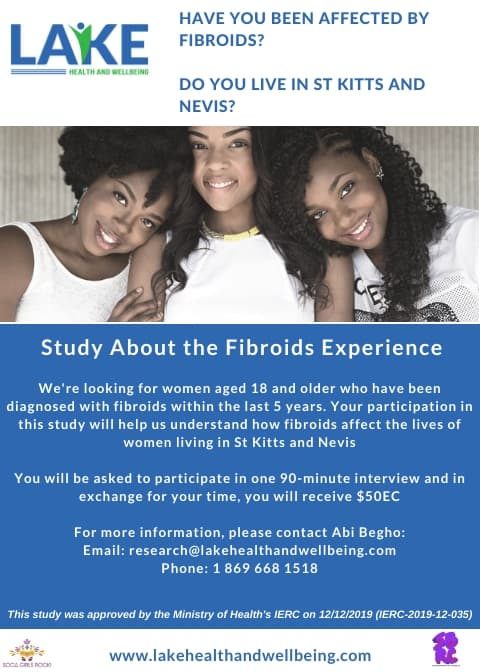
We are absolutely delighted to inform you that our fibroids research study has now begun after receiving ethics approval from the Ministry of Health last month. Our research project will explore the experiences of women residing in St Kitts and Nevis, who have been affected by fibroids.

The reason for trying to understand these experiences is because it has become clear that fibroids are a common health issue affecting women in St Kitts and Nevis. It is therefore important to explore if fibroids are affecting the quality of life of women in the Federation and understand what challenges women may be facing so we can provide effective and appropriate support, advocate on behalf of women, and ensure that women receive the best medical care possible.

We’re Looking For Volunteers

If you live in St Kitts and Nevis, are between the ages of 18 and 55 and have been diagnosed with fibroids within the last 5 years (any time between January 2015 and January 2020), you can take part in this research.

As a participant, you will be asked to take part in a 90-minute interview and in exchange for your time, you will receive $50EC.

 More Information

If you’re interested in taking part in this study or have any questions, please contact Abi Begho by emailing research@lakehealthandwellbeing.com or calling  1 869 765 8702.

Ethics Approval Details

This research study was granted ethics approval by St Kitts Ministry of Health’s Interim Ethics Review Committee on 12th December 2019 (our ethics approval number is IERC-2019-12-035)

Research Partners


This project is a partnership between Lake Health and Wellbeing, Serrette Brown Research and Consulting and Soca Girls Rock!

We Receive a Grant from Soca Girls Rock! To Support Our New Fibroids Research Project
BlogFibroidsWomen's Health

We Receive a Grant from Soca Girls Rock! To Support Our New Fibroids Research Project

We are absolutely delighted to announce that we recently received a grant from Soca Girls Rock! (SGR!) to support our new fibroids research project.

At the time of writing, we were just about to submit our application to the Ministry of Health’s Interim Ethics Review Committee for ethics approval and once that is granted our project will begin.

Our new project is a qualitative research study that will explore the experiences of women living in St Kitts and Nevis who have been affected by fibroids. This work aims to provide an in-depth exploration of women’s experiences and help us identify any psychosocial, personal, institutional and physical challenges that women with fibroids may experience that may impact their health and wellbeing. By exploring these issues, we can develop an understanding of how fibroids may affect a woman’s quality of life and this will enable us to begin to focus on strategies to support women who have been affected by fibroids.

To our knowledge, there has been no research conducted in St Kitts and Nevis to understand the experiences of women living with fibroids. Therefore, this study will make a significant contribution to filling an information gap in women’s health.

We would like to say a big thank you to Soca Girls Rock! for supporting this project and for continuing to support women-led, Caribbean-based initiatives.

When asked about the importance of providing funds to women-led organisations to support research projects like this, SGR! stated:

“The challenges of womanhood can and should be addressed by women.”

We are also grateful to SGR! for providing us with access to the technical expertise to conduct this research project by facilitating a collaboration with Dr Fanta Waterman (MPH, PhD), the Managing Director of Serrette Brown Research and Consulting.  We are very much looking forward to working with Dr Waterman and appreciate all the useful insight and advice that she has already provided.

About Soca Girls Rock!

Soca Girls Rock! aims to address the unique set of social and economic challenges that the Caribbean faces. These challenges include access to quality education and health care, high unemployment rates for youth and women, high poverty and crime rates, and income inequality. SGR! tackles these issues through its unique and innovative approach to leadership, activism, and civic engagement. They harness the collective time, talent, and treasure of self-identified Caribbean women, living in and outside of the Region, to provide technical and financial assistance to non-governmental organizations (NGOs) committed to social change.

 About Serrette Brown Research and Consulting

Serrette Brown Research and Consulting (SBRC) is a boutique research consulting practice specializing in epidemiology, population health research, program evaluation, evidence gap analyses, digital health and publications development strategy.

They partner with non-profits, non-government organizations (NGO), biopharmaceutical companies, health services research organizations and policy implementation agencies based in the United States, Europe and the Caribbean. SBRC staff have been the recipient of research awards and featured on national television.

More Information

If you have any questions about this project or would like any further information, please don’t hesitate to get in touch with us by email research@lakehealthandwellbeing.com

Save the Date: Our Women and Diabetes Event is on 14th September
BlogDiabetesWomen's Health

Save the Date: Our Women and Diabetes Event is on 14th September

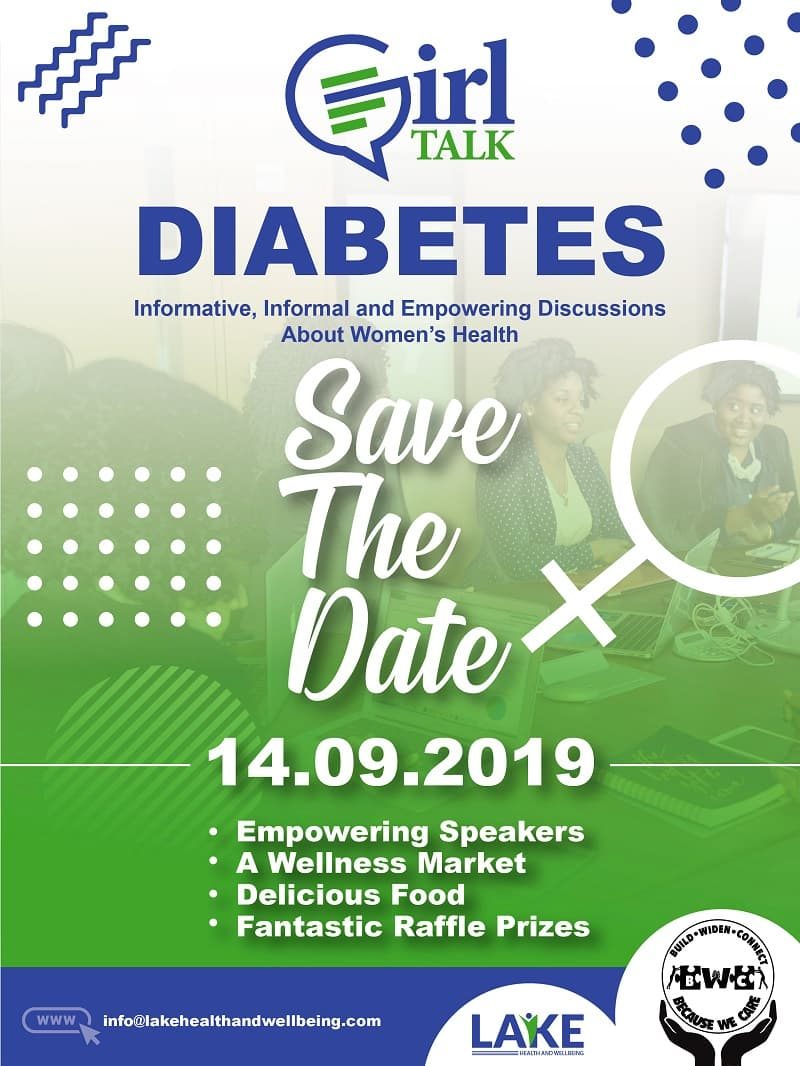
We’re delighted to announce that we have once again teamed up with Because We Care to host another women’s health event in St Kitts.

Girl Talk: Diabetes will focus on women and diabetes and will take place on Saturday 14th September. We’ll be having a panel of excellent speakers covering topics such as:

  • An Introduction to Diabetes
  • Diabetes and its Complication
  • Living with Diabetes

We’ll also have a small wellness market featuring health, wellbeing and wellness brands, fantastic raffle prizes, free health checks, food and more!

More details to follow, so please stay tuned!

This event is the second event in this series. Our first event focused on fibroids and we had a great day learning more about fibroids and its impact on women. You can read about our previous event here

If you would like to join us for this event, you can register below and make the payment on the day ($90EC).

The information provided in the form below will enable us to contact you about the event regarding updates and important information. We will only use it for this purpose.

No Fields Found.

We look forward to seeing you on 14th September and if you have any questions, please email us or call 765 8702.

Thank You For Supporting Our Fibroids Campaign
BlogFibroids

Thank You For Supporting Our Fibroids Campaign

We would like to say a big thank you to everyone who supported our recent campaign where organisations from the Caribbean, UK, US and France joined forces to put the spotlight on fibroids.

We really appreciate all your emails, comments, retweets and shares which all helped us reach more and more women.


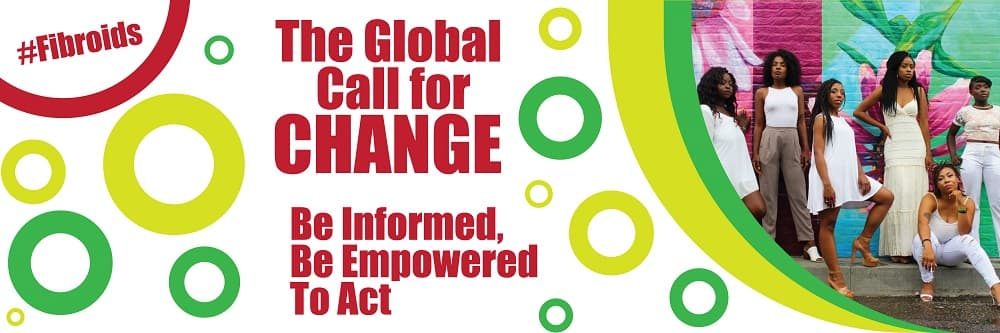
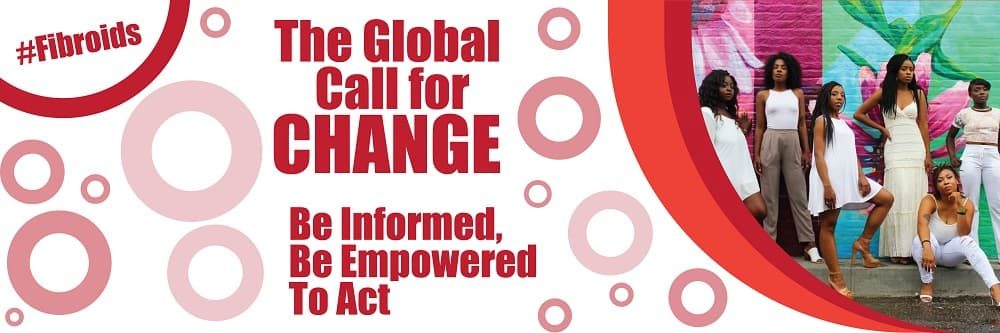
Our campaign highlighted the need for a global change where all stakeholders are better informed about fibroids so they are empowered to take action to improve the health and wellbeing of the many women affected by this condition.

Specifically, we were calling for a greater level of awareness of:

  • The symptoms of fibroids to facilitate an early and accurate diagnosis;
  • All the treatment options available so that women can make an informed decision about the treatment that best suits their situation; and
  • What actions women with fibroids can take to improve their physical, mental and spiritual wellbeing

If you missed our campaign, you can read about this joint effort here.

We’ll continue to work with our global partners to raise awareness and provide support to women who have been affected by fibroids. In the meantime, you can find out more about our fibroids information and support programme here.

Check out some tweets from some of our global partners and you can visit social media to read through all our posts during the campaign. And, if you have any questions or comments you can leave them in the comments box below or email us.

Organisations From Across the World Call For A Greater Focus on Fibroids
BlogFibroidsPress Releases

Organisations From Across the World Call For A Greater Focus on Fibroids

For Immediate Release

24th June 2019

Organisations from the Caribbean, US, UK and France have joined forces to launch a global campaign calling for a greater focus on fibroids.

The campaign highlights the need for a global change where all stakeholders (healthcare professionals, women and their families) are better informed about fibroids so they are empowered to take action to improve the health and wellbeing of the many women affected by this condition.

Specifically, organisers are calling for a greater awareness of:

  • The symptoms of fibroids to facilitate an early and accurate diagnosis;
  • All the treatment options available so that women can make an informed decision about the treatment that best suits their situation; and
  • What actions women with fibroids can take to improve both their physical, mental and spiritual wellbeing

Fibroids are non-cancerous growths that develop in or on the outer surface of the womb affecting an estimated 171 million women worldwide in 2013 and, in 2010, fibroids were estimated to cost the health sector in Europe €163 Million.1,2

Despite being very common it has been shown that there is a low level of awareness of fibroids and women don’t feel equipped to make an informed decision about their treatment3,6.

Studies have also shown that fibroids are more common in black women with an estimated 80% of black women being affected4. In addition, black women are known to develop fibroids at a younger age, are more likely to develop larger, multiple fibroids, and tend to develop more severe symptoms5.  The reason for this is unknown, but it is thought to be a combination of genetic, environmental and lifestyle factors. Compounded experiences of racism and internalised racism are also seen to be contributory factors.

Fibroids tend to be overlooked because they are not life-threatening, but fibroids can significantly affect a woman’s quality of life leading to both physical and psychosocial effects.  It’s important that a greater focus is placed on fibroids to ensure that more research is conducted to fully understand this important women’s health issue, and to ensure that more support and information is available that empowers all women with fibroids.

Julia Mandeville, Public Health and Advocacy Manager, Barbados Association of Endometriosis and P.C.O.S explained that:

“Women’s health has not received the level of attention warranted. We stand now, as a collective, understanding that the gaps in women’s health care can lead to significant public health problems if left unaddressed. One such problem is the lack of awareness and education surrounding menstruation and menstrual health disorders which research has shown, negatively impacts the psychological, physical, social and financial wellbeing of those diagnosed with these conditions. Thus, it is critical that women and girls are equipped with relevant, evidence-based information to become more competent and confident advocates of their health, and obtain the resources and treatments needed to improve their health-related quality of life.”

Abi Begho, Founder of Lake Health and Wellbeing, based in St Kitts and Nevis said:

 “For too long women with fibroids have been neglected and it’s time for society to step up and address this. We need to ensure that women with fibroids have easy access to accurate information, appropriate support and a high standard of care to improve their wellbeing.”

Whilst Dr Sydney Dillard, Associate Professor at Du Paul University stated:

“Throughout the world fibroids tend to be trivialised without a real appreciation for the way fibroids can impact a women’s quality of life. The impact is wide-reaching affecting women’s physical health, mental wellbeing, relationships and creating challenges in the work environment. By everyone being better informed we can ensure early diagnosis; prompt, appropriate treatment and the chance to adequately address the psychosocial impact of fibroids.”

The organisers behind this campaign are encouraging women to access more information by visiting the campaign page and to contact the organisations in their region if they would like further support.

Ends

Notes to Editors

This is a joint campaign of the following organisations who raise awareness, provide information and support to those who have been affected by fibroids and advocate on behalf of women to improve the quality of care.

Barbados Association of Endometriosis and PCOS – The Barbados Association of Endometriosis and PCOS is a registered non-profit organization in Barbados which seeks to educate citizens and advocate for those who have Endometriosis, Polycystic Ovarian Syndrome and other pelvic conditions (including Uterine Fibroids).

Website: http://endoandpcosbb.com/

Email: julia.mandeville@endoandpcosbb.com


CARE About Fibroids – CARE About Fibroids is a Washington, DC-based non-profit whose mission is to elevate uterine fibroids as a women’s health issue and drive change. Bringing together many of the nation’s most respected women’s health advocacy and policy-focused organizations to advance solutions, CARE About Fibroids is a catalyst for increased awareness, research and education about uterine fibroids, leading to earlier diagnosis and improved treatment.

Website: http://www.careaboutfibroids.org

Contact: http://www.careaboutfibroids.org/contact.html


Fibroid Awareness Trinidad and Tobago – is a registered NGO based in Trinidad and Tobago that focuses on educating and empowering girls and women through advocacy and driving awareness on fibroids and other issues of the uterus.

Website: https://www.ttconfidenceproject.org/

Email address: factt2014@gmail.com


Fibrome Info FranceFibrome Info France is the first patient association in France that informs, educates and supports women with uterine fibroids. The association was born out of the lack of information and awareness on this disease which affects 30 to 60% of women of childbearing age and is the main cause of removal of the uterus in France. Fibrome Info France has a triple mission:

  • Information and awareness on uterine fibroids
  • The support of women with fibroids in the care process
  • The implementation of actions to improve the management of fibroids

Website http://fibrome-info-france.org/

Email address: contact@fibrome-info-france.org


KMT Rising – KMT Rising is a UK-based organisation that is dedicated to the optimum health and wellness of all women around the globe; ensuring that their personal, emotional and health-related needs are catered for through a range of bespoke holistic packages. They also provide very unique Fibroid products on sale internationally:

  • Fibroid Assessment Check List
  • So you have Fibroids – Next steps guide
  • Get yourself checked for Fibroids guide

Website: https://www.kmtrising.com/

Email address: kmtrisingltd@gmail.com


Lake Health and Wellbeing – Lake Health and Wellbeing is based in St Kitts and Nevis and aims to improve the health and wellbeing of their local, regional and online community through health promotion, public health interventions, conducting research and offering information and support to those with concerns about their health. They have a fibroids information and support program which consists of events, publications, campaigns and more.

Website: www.lakehealthandwellbeing.com

Email address:  info@lakehealthandwellbeing.com


Noire WellnessNoire Wellness is a UK-based organisation that takes a public health and wellbeing approach to reducing health inequalities through culturally sensitive interventions

Website: www.noirewellness.com

Email address: info@noirewellness.com


OH Counselling Services – OH Counselling Services is a UK-based organisation that provides one-to-one Counselling, EMDR Therapy, Group Therapies, Workshops and Seminars.   Their services are offered to adults, young people and all groups from different backgrounds and walks of life.

Website https://www.ohcounsellingservices.com

Email address: ohservices@counsellor.com


The Fibroid ForumThe Fibroid Forum is UK-based and raises awareness, shares information, promotes women’s wellness and supports fibroid sufferers

Email address: thefibroidforum@gmail.com


References

  1. Theo, V., et al. (2015). Global, regional, and national incidence, prevalence, and years lived with disability for 301 acute and chronic diseases and injuries in 188 countries, 1990–2013: a systematic analysis for the Global Burden of Disease Study 2013. Lancet 386 (9995), pp. 743-800
  2. Hunt, P., Sathyanarayana, S., Fowler, P. and Trasande, L. (2016). Female Reproductive Disorders, Diseases, and Costs of Exposure to Endocrine Disrupting Chemicals in the European Union. The Journal of Clinical Endocrinology & Metabolism, 101(4), pp.1562-1570.
  3. Lake Health and Wellbeing (formerly known as The Lake Foundation), (2014). Understanding the Needs of Women With Fibroids.
  4. Wise, L. and Laughlin-Tommaso, S. (2016). Epidemiology of Uterine Fibroids. Clinical Obstetrics and Gynecology, 59(1), pp.2-24.
  5. Radmila S., et al.  (2016).  Epidemiology of Uterine Myomas: A Review. Int J Fertil Steril, Volume 9 (4), pp. 424.
  6. All-Party Parliamentary Group of Women’s Health, (2017). Informed Choice? Giving Women Control of Their Healthcare.
Our Upcoming Emotional Impact of Fibroids Webinar
BlogFibroids

Our Upcoming Emotional Impact of Fibroids Webinar

On 1st June 2019, we’ll be hosting a webinar on the emotional impact of fibroids, an issue that is often neglected, but we believe this is a very important area to focus on.

When many of us think about fibroids and its effects, we tend to think about the physical and medical symptoms, such as heavy menstrual bleeding, prolonged periods, abdominal pain, anaemia and back pain.  The emotional and psychological impact of fibroids is not at the forefront of women’s minds or even their doctor’s, but it is very important that this is addressed to ensure a complete recovery.

We first identified the importance of exploring the emotional impact of fibroids in 2014, when we conducted a survey to understand the needs of women with fibroids. As we were analysing the results of the survey, we noticed that a significant number of women were describing how living with fibroids was affecting their mental wellbeing. For example, women said the following:

 “I have hated life at times because of fibroids. I feel like I am being punished for something.”

“Depression from feeling that my only options were drugs or surgery”

“Fear of not being able to have children”

“Just a constant fear of what they could become”

As a result of this, we started to explore this issue further by speaking to women who attended our events and soon realised that this was a much wider problem. To compound this issue there was little information available, at the time, about the emotional impact of fibroids and no services to support women in addressing these issues.

We decided that going forward, the emotional and psychological impact of fibroids would be embedded in all our work. This would ensure that women are able to identify, understand and address the emotional impact of fibroids. We hope this will allow women to get help promptly and develop the resilience and skills required to improve their mental health, should it be affected by their experience with fibroids.

So far, we have organised two conferences aimed at women with fibroids, one in London and one in St Kitts, and both covered the emotional impact of fibroids. We worked with accredited counsellor Olivia Haltman to develop a fact sheet on this topic and we’ll soon be updating our fibroids booklet to include information on fibroids and women’s wellbeing. We were also delighted to see that Olivia Haltman has developed the first online course on the emotional impact of fibroids after our work together revealed this was much needed.

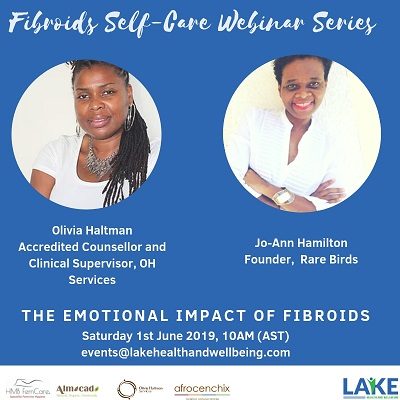
Our latest initiative is our webinar on 1st June which will feature Olivia Haltman, founder of OH Services and Jo-Ann Hamilton, founder of Rare Birds.

In this webinar, Olivia will take attendees through how living with fibroids can affect a woman’s mental health and how women with fibroids can improve their emotional wellbeing.

We’re also honoured to have Jo-Ann Hamilton, the Founder of Rare Birds, sharing her 10-year experience with fibroids, how this experience affected her mental wellbeing and how she overcame this challenging journey.

If you’ve been affected by fibroids, you are very welcome to attend this webinar. register for this webinar here or if you have any questions, please email us at events@lakehealthandwellbeing.com