
Contacts

Bird Rock, St Kitts, St Kitts and Nevis, West Indies

info@lakehealthandwellbeing.com

+1 869 765 8702

Category: Blog

achievement-3408115_640-2
Blog

Creating an NCD Alliance

In today’s blog, we hear from Frances Wharton who will be working with us on our new project to create an NCD alliance in St. Kitts and Nevis. 

———-

Being diagnosed with a non-communicable disease (NCDs) such as diabetes, high blood pressure, cancer or fibroids etc can be stressful and frightening. You need access to helpful information in order to manage symptoms and, if possible, prevent a deterioration of the disease. However, unfortunately, a lot of the time we are presented with a wealth of misinformation or conflicts in information or worse still, well-meaning friends and relatives sharing partial knowledge they’ve gained from the Internet or social media.

Individual Non-governmental Organizations (NGOs), such as Lake Health & Wellbeing and Civil Society Organizations (CSOs) have been doing a fantastic role in raising awareness and educating the public in relation to NCDs. Additionally, many of the NGO/CSOs have been providing support and services to patients while also holding governments accountable and helping to shape policy.

This Alliance project aims to enhance these services even more. An alliance will allow a single joint message to be disseminated from each NGO/CSO ensuring consistency and reducing confusion. Each NGO/CSO will have the opportunity to support one another while still focusing on their main public health area. Resources and expertise can be shared and developed even more in order to better serve the local community on health-related matters. Having an alliance will also strengthen advocacy efforts, again providing a greater impact within the local community.

Therefore, if you are currently affiliated with an NGO/CSO, feel free to contact us for information about joining the St. Kitts and Nevis NCD Alliance. We will also be reaching out to various NGO/CSOs in the coming weeks. We know some of you may feel tentative about sharing knowledge but we can guarantee we certainly will not be undermining any of the work you have already accomplished and are aiming to make each respective NGO even more successful in supporting the local communities within St. Kitts and Nevis.

ReportCoverImage
Health PolicyYou're Sweet Enough

Health Policy Forum

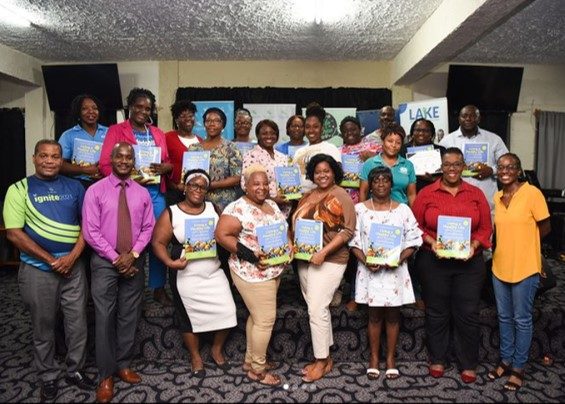
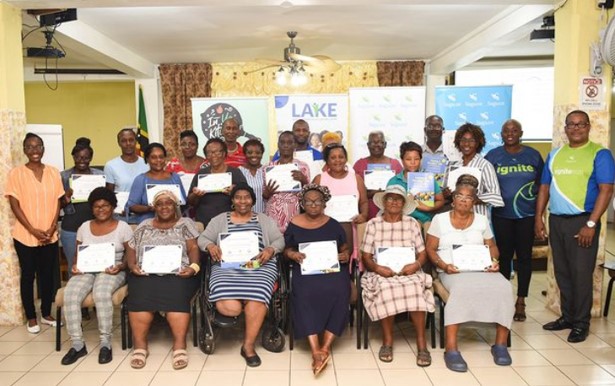
On Thursday 28th July 2022, we hosted a Health Policy Forum for Civil Servants in St. Kitts and Nevis at the St. Kitts Marriott Resort.

The objective of this forum was to bring together civil servants from various government ministries and departments to engage them in an in-depth discussion about the multi-sectoral implications of implementing sugar-sweetened beverage (SSB) taxes, SSB sale and marketing restrictions and front-of-pack warning labels as policies to support the prevention and control of non-communicable diseases (NCDs). 

There were twenty participants representing ten government departments in St. Kitts and the departments represented included:

      • St. Kitts Ministry of Health
      • Nevis Health Promotion Unit
      • Nevis Mental Health Unit
      • Nevis Trade and Consumer Affairs
      • Nevis Ministry of Education
      • St. Kitts and Nevis Legal Department
      • St. Kitts Dept. of Gender Affairs
      • St. Kitts Dept. of Labour
      • St. Kitts Bureau of Standards
      • St. Kitts Drug Council

The Forum agenda was split into two parts. During part one, attendees received information from presenters about the impetus behind advocacy for health policies on NCD prevention and control. Presentations provided key information about current NCD rates and health challenges faced locally and regionally, the recommended evidence-based policies being championed by WHO/PAHO, and case study analyses and reports on the effectiveness of health taxes in similar jurisdictions. The presentation agenda went as follows (click each to view slides or listen to a clip from presentations):

For part two of the forum, attendees were divided into three breakout groups to discuss the implications of implementing each policy recommendation being considered. Each group was asked to consider the following questions:

  • How does the ___ sector play a part/consider their role in the prevention and control of NCDs in St. Kitts and Nevis?
  • What are the implications of implementing an SSB tax on each respective sector?
  • What are the sector-specific or general considerations for restricting the sale and marketing of SSBs in schools?
  • What are the sector-specific or general considerations for implementing front-of-pack warning labels (FOPWL)?

Attendees had a robust discussion on each of these questions and provided some useful insight on how each policy area might affect each government department and how each department can support the implementation of these policies.  

This was a very enjoyable and informative day and we would like to thank all our speakers (PAHO, the World Bank, the St. Kitts and Nevis Ministry of Health the Bermuda Department of Health)  who provided some excellent background information which helped set the scene for the discussion session.

For more detailed information on the points raised during the discussion session, you can download the forum report below.

CoverImage(web)
BlogNon-Communicable Diseases (NCDs)

SSB Survey Results

In February 2021, we conducted a sugar-sweetened beverage survey which aimed to obtain the public’s opinion on topics related to sugar-sweetened beverages (SSBs) and non-communicable diseases (NCDs). Specifically, we measured the public’s opinion on the importance of the government addressing NCDs, how concerned individuals are about NCDs, and the public’s support for government policies to reduce SSB consumption, and we explored what SSBs the public consumes and how often they consume these.  

The survey enabled us to collect baseline data on the public’s views of the above-mentioned issues and determine their frequency of SSB consumption to help inform the direction of our media and advocacy campaign.

To collect the required data, we developed a short survey. The public could complete the survey anonymously online or via a hard copy with assistance from trained enumerators. A total of 423 people completed the survey.

Our survey suggests that St Kitts and Nevis has a high rate of NCDs and that the public is very concerned about NCDs and strongly believes that the government has a role to play in improving the country’s health. Therefore, action is needed on NCDs, and reducing the public’s SSB consumption is just one of many approaches that can be explored to address these health issues as our data shows high levels of SSB consumption in our sample.

To reduce the public’s consumption of SSBs requires behaviour change, and this can be achieved through the introduction of SSB policies by the government. These policies include evidence-based and globally endorsed policies such as an SSB tax, restricting the sale of SSBs in and around schools and banning the marketing of SSBs to children. Our data suggest that there is some public support for these policies and further public support could be obtained if carefully designed public education campaigns are implemented. Although the survey data shows that the public would support certain policies, the data also indicates that the method used to raise awareness of these policies and the spokespeople utilised in any communication strategy should be carefully considered to ensure the success of any such campaign.

Report and Infographic

You can download our survey report and an infographic summarising our key findings by clicking on the images below. 

GMSKN
BlogDietYou're Sweet Enough

We Were on GMSKN

On the 4th July 2022, we were delighted to join the Essence of Hope Breast Cancer Foundation and SIS Inc on Good Morning SKN to discuss the work that our charities are doing in St Kitts and Nevis. 

This interview was part of efforts by Change for Charity, a new fundraising initiative in the Federation, to highlight the work of NGOs and encourage the public to support these worthy causes. 

During the interview, we explored holistic health, and some of our projects, including You’re Sweet Enough, our work on fibroids, My Healthy Heroes and our COVID-19 and NCDs project.  If you missed this episode of Good Morning SKN, you can watch the recording below.

Fundraising Webinar (web)
BlogNews

Fundraising Webinar

As part of our efforts to build the capacity of non-profit organisations in St. Kitts and Nevis as well as the Eastern Caribbean region, we hosted a fundraising webinar on Saturday 28th May.

This topic was selected as we recognise that one of the biggest challenges that non-profits in the Caribbean face is limited resources to fulfil their aims and objectives. To address this challenge, we hosted this webinar to explore how organisations can develop an effective fundraising strategy that facilitates the generation of sustainable income.

Our guest speaker for this session was Emily Legg, Director of Fundraising at Myeloma UK, and she provided some good guidance on how non-profits can develop and implement an effective fundraising strategy and explored sustainability, monitoring and evaluating fundraising efforts and more.

Sustainable income is of particular importance as this is the only way that non-profits will be able to survive in the long-term. In this webinar, we learnt that to attract sustainable incomes requires a strategy and a scientific approach of analysing donors and funding sources. It requires a strategy that is regularly reviewed and that includes multiple streams of income.

If you missed this session, you can watch the recording below and if you have any questions about any of the content presented, please don’t hesitate to leave a comment.

SodaPicture
SSB TaxYou're Sweet Enough

Dispelling myths about SSB Taxes

While SSB taxes are found to be effective at reducing purchases and consumption of SSBs and producing better public health outcomes in the long run, different counter-arguments are made in resistance to this tax-based health policy. One common argument made by industry stakeholders against SSB taxes is that they will lead to considerable job losses among businesses that produce, distribute and sell the taxed beverages; however, these claims are unfounded.

To date, peer-reviewed SSB tax evaluation studies have estimated labour market impacts in taxing jurisdictions of the United States and these studies consistently found no net negative impacts on employment and unemployment outcomes. No evidence of net job losses or job losses in industries that produce or sell SSBs has been found (UIC, 2022). Rather, SSB taxation may influence market development by sparking the growth of a healthy drink and food industry. By increasing awareness of the harms of high-sugar diets and utilizing SSB tax revenues to subsidise local fruits and vegetables, the local fruit juice market stands to benefit from expansion and sustainability. Small businesses and street vendors who sell SSBs can make and sell local unsweetened fruit juices and healthy snacks where the demand for healthier and cheaper drink alternatives increases as a result of SSB taxation.

Conclusion

Now more than ever, civil society organisations (CSOs) across the world are advocating for effective health policies, like SSB taxation, that help to improve health outcomes and cultivate healthy environments for all. SSB taxes are demonstrably effective at reducing SSB purchases and improving obesity rates in the long term. To achieve the greatest impact in NCD prevention and control, taxation ought to be coupled with other policies that help to reduce socioeconomic inequalities in diet-related health.

Interventions such as including front-of-pack warning labels, cultivating healthy school environments through nutrition education, implementing sale restrictions on sugary foods and drinks in schools and at hospitals, and providing subsidies on locally grown healthy foods are all valuable and necessary for the most equitable impact on consumer behaviour and health outcomes. To combat the threat that NCDs pose on our people, productivity and livelihoods, government, civil society, industry, individuals and communities must work together. Together we can strengthen calls to action for local government to prioritise proper health, nutrition and wellbeing by implementing health policies that lead to better health and sustainability for all.

sugar-258113_640
SSB TaxYou're Sweet Enough

An Introduction to SSB Taxation

Sugar-sweetened beverage (SSB) taxation is a common effective policy adopted by governments to deter the purchase and consumption of SSBs. In the last decade, more than 50 countries worldwide have introduced a tax on SSBs. The World Health Organization (WHO) recommends SSB taxes as a best buy[1] option for governments, noting that “just as taxing tobacco helped to reduce tobacco use, taxing sugary drinks can reduce consumption of sugar” (2017). Evidence of SSB tax effectiveness is published in a World Bank 2020 report that details the results of SSB taxes in jurisdictions across the globe. Overall, trends indicate that where taxes are enforced, purchases of SSBs decline. Furthermore, the higher the tax rate the greater the impact on consumer behaviour.

In the Caribbean, Barbados, Bermuda and Dominica have implemented SSB taxes. According to the World Bank report, Barbados implemented a 10% tax on SSBs in 2015 and in the first year, average weekly sales of SSBs overall and carbonated SSBs specifically decreased by 4.3% and 3.6%, respectively. Additionally, sales of non-SSBs increased 5.2%, with bottled water increasing 7.5%. In 2022, the Barbados government decided to increase the SSB tax to 20% after researchers found that some consumers shifted to purchasing cheaper SSB options instead of reducing consumption altogether. According to the WHO, to maximise the desired impact of SSB taxation, a minimal tax rate of 20% is recommended.

In Mexico, where SSB taxes higher than 10% were introduced in 2014, data show that three years after implementation, the excise tax on SSBs helped to increase the proportion of people who do not consume SSBs. A 2020 research study found that before implementation, more than 50% of research participants were medium and high consumers of SSBs and less than 10% were non-consumers. After tax implementation, 43% of the population was categorised as medium and high consumers and the prevalence of non-consumers increased to 14% (BMJ, 2020). Notably, the reduction in SSB consumption after tax implementation also led to recorded health improvements among adolescents in Mexico. For every 10% increase in the city’s average price of an SSB, there was a significant 1.3% absolute decrease in both overweight or obesity prevalence for girls within two years of the SSB price change (JAMA Pediatrics, 2021).

SSB taxation is a win-win solution. Evidence shows that taxation not only helps to reduce consumption which contributes to improved health over time, but it also generates additional government revenue which can be used to fund other necessary health promotion programmes. In Bermuda, SSB tax revenue was reinvested into making healthy foods more accessible by subsidising fruits and vegetables to increase consumption. In addition to healthy food subsidies, SSB tax jurisdictions in the United States report using revenue to invest into early childhood programmes and community infrastructure improvements like recreation centres and public gym parks to promote physical activity (PMR, 2021).

Public support for SSB taxes varies widely by jurisdiction, although when governments commit to designating tax revenue to reinvest into improving public health, general support for taxation increases. For instance, in St. Kitts and Nevis, public opinion polls completed in 2021 reveal that support for implementing SSB taxes across the federation increases if tax revenue is earmarked for investment in health-focused initiatives like improving public water drinking infrastructure. As an evidence-based policy solution SSB taxation is strongly recommended to reduce the consumption of sugary drinks and ultimately help to reduce the prevalence of non-communicable diseases (NCDs). Government is not only being called to act but is encouraged to consider how SSB tax revenue can be designated to increase healthcare resources and improve public health outcomes.

[1] NCD Best-Buys are evidence-based public health interventions for tackling NCDs, according to the World Health Organization

SodaPicture
SSB TaxYou're Sweet Enough

Tackling NCDs through SSB Taxation

Facing the NCD Epidemic in St Kitts and Nevis

In St. Kitts and Nevis, non-communicable diseases (NCDs) are the leading cause of death among residents. According to the latest data published by the St. Kitts and Nevis Ministry of Health, 63% of all deaths are prematurely caused by a preventable chronic illness such as stroke, cancer, diabetes and cardiovascular and respiratory diseases.

The prevalence of NCDs in the federation is a major concern for individuals, families, civil society and government because NCDs threaten quality of life, productivity and sustainable development. In fact, the World Health Organization (WHO) and the Global NCD Alliance recognise non-communicable diseases as the world’s number one killer.

Globally, St. Kitts and Nevis has one of the highest prevalence rates of diabetes per capita (24%). Poor diet, physical inactivity, overweight and obesity are some of the risk factors for NCDs that are prevalent among our adults and children. Health data indicate that 1 in 2 adults and 1 in 3 children in St. Kitts and Nevis are overweight or obese, and the consumption of unhealthy products like sugar-sweetened beverages (SSBs) is at an all-time high with 62% of school-aged children drinking at least one SSB every day (Global High School Survey, 2011).

.

The Dangers of SSB Consumption

The consumption of sugar-sweetened beverages is of particular concern since some have no nutritional value and exceed recommended daily amounts of sugar for proper health and wellbeing.  Regular consumption of SSBs is a major contributor to the development of obesity, type 2 diabetes, tooth decay and cardiovascular illnesses. Research conducted by Harvard Medical School experts reveals an association between a high-sugar diet and a greater risk of dying from heart disease since consuming too much added sugar can raise blood pressure and increase chronic inflammation, both of which are pathological pathways to heart disease.

The scientific and medical evidence on the dangers of sugar for individuals’ health and wellness is alarming. Consuming too much sugar, especially from SSBs, can be deadly and must be better monitored and controlled. Curtailing SSB consumption and promoting water as the healthy alternative is a primary approach to improving food culture and combatting the NCD epidemic.  

The Solution: Government Policy Interventions

Across the world, individuals, civil society organisations (CSOs), medical professionals and governments have been advocating for and implementing solutions that help to reduce the risk factors associated with NCDs. Public education on healthy food and nutrition, accessible health screening programmes and the promotion of increased physical activity are all necessary inputs for combatting the global NCD problem.

However, addressing the problem also requires that governments take responsibility by using public policy to create healthy food environments and to help consumers make healthier choices. The WHO recommends implementing a suite of health policies that include SSB taxation and octagonal front-of-pack warning labels as evidence-based interventions that reduce the purchase and consumption of SSBs. Health advocates also call on government to implement school nutrition policies that restrict the sale and marketing of SSBs in and around schools to create and promote healthy school environments for our children. Public support for health policies like these is important for inciting government action; as data show, there is need for change in our food consumption and nutrition environments and the time to act is now more than ever.

MeetTheWillbutsCover
BlogYou're Sweet Enough

Our SSB Animation Gets a Special Mention from WHO

On Friday 13th May 2022, the World Health Organisation (WHO), hosted its award ceremony for its third Health for All Film Festival.

The WHO Health for All Film Festival is held annually to demonstrate how creative media is being mobilised for health promotion and education. The festival invites submissions from patients, health workers, health activists, NGOs, public institutions and professional filmmakers of short films on a wide range of health-related topics. This year, films covered a range of topics including the trauma of war, living with COVID-19, women’s health and non-communicable diseases.

We entered our short animation, Meet the Willbuts, into the film festival and in March it was announced that we were shortlisted under the very short film category for conveying messages about NCDs and the need for families to improve their diets for better health outcomes. We were beyond excited and in the run-up to the awards ceremony to announce the winners, we launched a mini social media campaign highlighting the key messages of the animation.

Then, on 13th May we settled down to watch the awards ceremony and were so delighted to have received a special mention during the ceremony which you can watch below. We would like to thank WHO for their recognition of our short film and hope that this exposure will lead to the animation’s important health message reaching more people.

We would also like to congratulate the winner in our category, “Glamming my Wounds” by Terry Adhiambo Ombaka (Kenya) which focused on gender-based violence.

Other winners included:

Universal Health Coverage “GRAND PRIX”:
“Pre-eclampsia: Predict Earlier, Prevent Earlier”  – Indonesia / Maternal health / Documentary – Duration 7’53’’ / Submitted and directed by Indonesian Prenatal Institute

Health Emergencies “GRAND PRIX”:
“Intensive” – United Kingdom / COVID-19 severe case / Animation – Duration 7’26’’ / Submitted and directed by Oliver John Pratt (United Kingdom)

Better Health and Well-being “GRAND PRIX”:
“Euphoric”  – India / Female Genital Mutilation / Artistic creation based on testimony – Duration 4’35’’ / Submitted and directed by Nirmala Choudhary and Roopali Ramesh Kumar (India)

SPECIAL PRIZE Rehabilitation Film:
“Sim-Patia” – Spain – Italy / Brain injury / Animation – Duration 2’42’’ / Submitted and directed by Carlos Gómez-Mira Sagrado and Rossana Giacomelli

SPECIAL PRIZE Health Innovation film:
“For Every Girl, a Forest”  – India / Gender equity / Documentary – Duration 6’24’’ / Submitted and directed by Jose Corbella (Argentina)

STUDENT FILM PRIZE:
“Improving Lives in Three Dimensions: 3D-Printed Prostheses” – Sierra Leone / Disability / Documentary – Duration 5’03’’
Submitted and directed by Merel van der Stelt (The Netherlands)

Films receiving a special mention included:

UHC Special Mention:
“The 5% : A Family’s Perspective on Complex Clubfoot”  – Brazil / Disability / Documentary – Duration 5’40’’ / Submitted by MiracleFeet and directed by Rachel Vianna (Brazil)

Health Emergencies Special Mention: 

“I was just a child”  – Philippines / Natural disasters / Animation – Duration 5’06’’ / Submitted and directed by Breech Asher Harani (Philippines)

Better Health and Well-being Special Mention:
“Autism in China: The Challenges Parents Face Raising Children of the Stars”  – China / Documentary – Duration 8’28’’  / Submitted and directed by Andersen Weicong Xia (China)

Rehabilitation Special Mention:
“Move, Dance, Feel”  – United Kingdom / Cancer and artistic dancing to support treatment / Documentary – Duration 4’58’’  / Submitted and directed by Emily Jenkins and Move Dance Feel (United Kingdom)

Health Innovation Special Mention

“Malakit”  – Brazil, French Guiana, Suriname / Malaria – Access to diagnosis and care in remote areas / Documentary – Duration 8’54’’ / Submitted and directed by Maylis Douine (French Guiana)

 Very Short Films Special Mention:

“Meet the Willbuts”  – Saint Kitts and Nevis / NCDs prevention / Animation – Duration 1’23’’ / Submitted and directed by Oyehmi Begho and Lake Health and Wellbeing (Saint Kitts and Nevis)

MiaMottley
BlogDiet

Barbados Increases their SSB Tax

In 2015, Barbados was one of the first countries in the world to introduce a tax on sweetened beverages (SBs). This measure was introduced as part of the country’s strategy to tackle the  high rate of non-communicable diseases (NCDs). Specifically, this tax aimed to encourage healthier consumption patterns by creating a financial deterrent to the purchase of sweetened beverages which would then nudge consumers to select healthier beverages. Furthermore, an additional benefit of the tax was the projection that it would raise in excess of $BB10 million and thus contribute positively to the economy.

The Health-Harms of SBs

Across the world, sugar-sweetened beverages have been the target of NCD prevention and control strategies and this is because of the growing body of evidence linking SBs to overweight, obesity and the development of NCDs. Research has shown that consuming one serving of an SB per day is linked to a 13% higher risk of developing type 2 diabetes and a 39% increase in non-alcoholic fatty liver disease4. Additionally, frequent consumption is associated with a 9% increase in cardiovascular disease risk and a two-fold increased risk of developing gout, and finally, studies have linked the overconsumption of SBs to an increased risk of developing some cancers4.

The Impact of Barbados' SB Tax

In order to protect the public from the health-harms of SBs, the World Health Organisation (WHO), the Pan American Health Organisation (PAHO) and the Caribbean Public Health Agency (CARPHA), recommend that governments implement a range of SBs policies, and this includes a tax of at least 20% on SBs.  This rate of tax is being recommended by health authorities because an SB tax needs to be high enough to act as an effective deterrent to the purchase of all SBs and 20% has been found to be sufficiently high enough to ensure a significant reduction in purchases.

At 10%, Barbados’ SSB tax was below the recommended rate and in March 2022, the Prime Minister of Barbados, Hon Mia Mottley announced that from 1st April 2022 the SB tax will be raised to 20%. This was in recognition of the fact that more could be achieved with respect to promoting healthier drinking habits if the tax rate was in line with best practices.   

Despite the low rate of tax in Barbados, research has shown some positive outcomes with regard to consumer behaviour. For example, since the introduction of the tax, there has been a 4% decrease in the sales of SBs and a 3.6% decrease in the purchase of carbonated SBs1. Additionally, there was a 5.2% increase in non-SBs sales and a 7.5% increase in bottled water sales1. There was some evidence of consumers switching to cheaper SBs; transitioning to the higher rate of 20% could tackle this issue.

Recently, in October 2018, another Caribbean country, Bermuda, joined Barbados and introduced a 50%   tax on sugary soft drinks, candies and pure-sugar imports which was increased to 75% in 2019 and was expanded to include food products with cocoa.  In a study conducted by Imperial College, 48% of Bermudians reported consuming fewer taxed products and the revenue raised between 1st October 2018 and 1st December 2019 was $5.4M2. This revenue was used for health and wellness initiatives such as exercise promotion, free health screening and subsidising fruits and vegetables2,3.


Conclusion

The increase in Barbados’ SB tax is a good step towards transforming consumer behaviour and promoting healthier drinking habits. It is anticipated that the increase in taxation will lead to a further reduction in the public’s SB consumption thereby reducing the public’s exposure to added sugar leading to a reduction in calorie intake and a reduction in NCD risk.

Since 2015, more countries around the world have introduced SB taxation as part of their NCD prevention and control strategies with over 50 countries now utilising this fiscal measure. This demonstrates the concern that countries have with the consumption of SBs and pairing this policy with other policies such as front-of-package warning labels and restricting the sale and marketing of SBs will contribute to eliminating a key risk factor for NCDs and thus improve the health of the public.

Over here in St. Kitts and Nevis, the Ministry of Health is working towards the implementation of their SB policy this year. We are in support of the Ministry’s policy and encourage Cabinet to approve this policy when it is presented to them so that concrete and effective steps can be taken to promote healthier drinking habits.

References
  1. Alvarado, M., Unwin, N., Sharp, S.J. et al.Assessing the impact of the Barbados sugar-sweetened beverage tax on beverage sales: an observational study. Int J Behav Nutr Phys Act 16, 13 (2019). https://doi.org/10.1186/s12966-019-0776-7
  1. Bell, J. Sugar Tax Raises $5.4M. The Royal Gazette. 3rd February 2020.
  1. Kelsey K CASE, Elisa PINEDA, Jack OLNEY et al. The ‘sugar tax’ in Bermuda: a qualitative study of general population and key stakeholder perceptions, 21 April 2022, PREPRINT (Version 1) available at Research Square [https://doi.org/10.21203/rs.3.rs-1487094/v1]
  1. Malik, V.S., Hu, F.B. The role of sugar-sweetened beverages in the global epidemics of obesity and chronic diseases. Nat Rev Endocrinol18, 205–218 (2022). https://doi.org/10.1038/s41574-021-00627-6
  1. Sinckler C. Presentation of the Financial Statement and Budgetary Proposals 2015 [Internet]. 2015 Jun [cited 2017 May 25]. Available from: https://www.barbadosparliament.com/uploads/document/d1efb84aac6a7abe4c6c0efcf8ceedd2.pdf