

Contacts

Bird Rock, St Kitts, St Kitts and Nevis, West Indies

info@lakehealthandwellbeing.com

+1 869 765 8702

Croydon Inter-Faith Bike Ride
BlogCycling

Croydon Inter-Faith Bike Ride

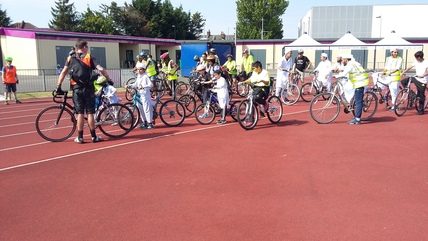
On 9th July, we had a great time at the third annual Croydon Inter-Faith Bike Ride organised by  Faiths Together in Croydon. This is the only bike ride of its kind that brings different faiths and cultures together.

This was a well-attended event which attracted a diversity of people – old, young, different ethnicities and of course people from various religious backgrounds.

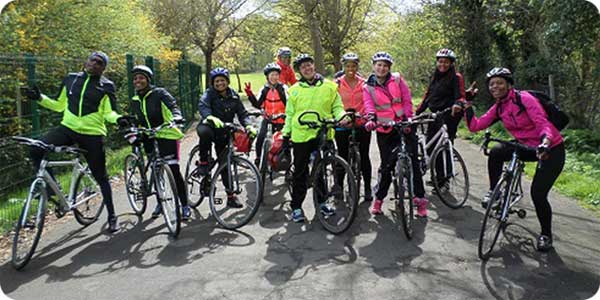
 We started the ride at Croydon Arena where about 20 of us set off for the Box Park in central Croydon where we were met by 15 more riders, and were treated to a free drink and snack (yay!).

Whilst at the Box Park we were welcomed by the Leader of the Council, Tony Newman, and Councillor Hamida Ali who spoke about the importance of this event in bringing people together to create a more positive atmosphere to combat some of the negative events of the past few months.

After our little break at the Box Park we cycled to the Croydon Gurdwara where we received a very friendly welcome and were invited inside for refreshments and a short interesting talk about the Sikh faith. We then carried on with our ride cycling through Addiscombe and made our next stop at the Croydon Synagogue. Here we were once again warmly welcomed with refreshments and then were delighted to hear from the synagogue’s rabbi who told us about the history of the Jewish community in Croydon, provided an overview of the Jewish faith and took questions.

The ride ended with the group making their way from the synagogue to Park Hill for a picnic. Sadly we missed the picnic, but have since heard a great time was had by all who attended with more people joining the group including the Mayor of Croydon.

We really enjoyed the interfaith bike ride. This was a perfect opportunity for the community to get active, come together and learn about each other’s faith and culture. We’d like to say a big thank you to Faiths Together in Croydon and Croydon Council for organising this event. We’d also like to say a big thank you to the Croydon Gurdwara and Croydon Synagogue for their warm welcome.

Look out for next year’s event on the Faiths Together in Croydon’s website. We may see you next time!

Healthy Weight Workshop in Croydon on 26th July
NewsObesity

Healthy Weight Workshop in Croydon on 26th July

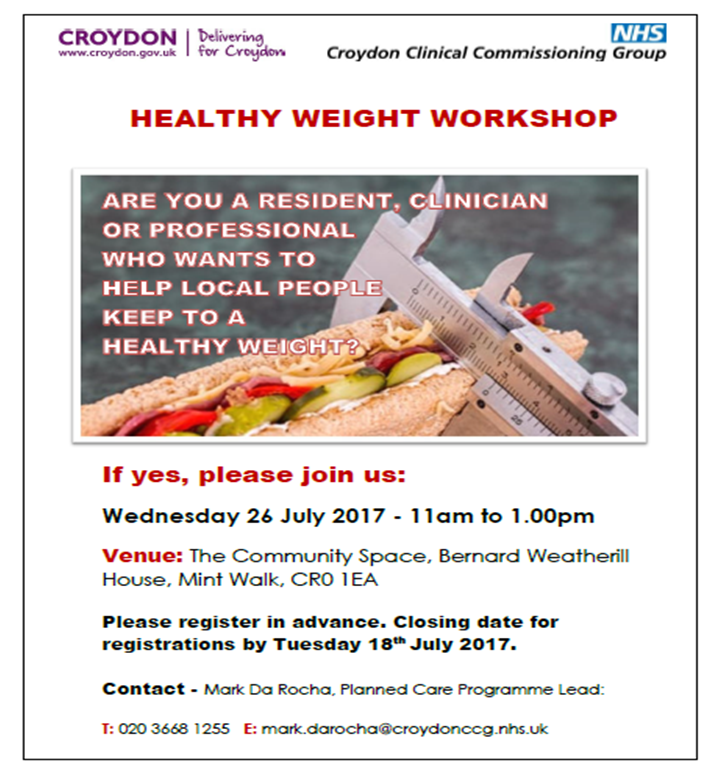
Croydon CCG in collaboration with Croydon Council are hosting a Healthy Weight workshop on July 26th at 11am to 1pm.

It is being held at Bernard Weatherill  House on the Ground Floor in the Community Space rooms with lunch and refreshments provided.

The aim of the workshop is to raise awareness about healthy weight topics within Croydon and to invite stakeholders, patients, clinicians and front line staff, to talk about how we can build the best services for Croydon residents.

The workshop aims to cover the following topics;

  • Healthy weight within Croydon
  • Identify priorities to promote healthy weight
  • Raising awareness of healthy weight initiatives within the community
  • Gain feedback from Patients and Clinicians on current services and how we can improve them

You can book a place on EventBrite or by emailing mark.darocha@croydonccg.nhs.uk

Is the constant exposure to negative news affecting our wellbeing?
BlogMental HealthVolunteer Bloggers

Is the constant exposure to negative news affecting our wellbeing?

In this week’s blog our guest blogger, Stacey Mensah, who is a freelance journalists, asks the question: ‘Is the constant exposure to negative news affecting our wellbeing?’

I’ve always wondered how my profession affects my health. Is the constant exposure to news, be it good, or bad, affecting me? How often do you watch the news? I’m guessing you watch it in one of five ways. One – you watch it before the school run, trying to become as informed as possible before you hit those school gates; Two – You listen or watch the hourly updates; Three – You find yourself consuming as much information as possible throughout the day; Four – You hope the talk around the lunch table will fill you in on all of the latest details. Or, possibly, you don’t watch the news.

Due to my profession I have to consume a lot of news. And according to some people, because of this, I should be under a desk somewhere, pulling my hair out and shivering in a nocturnal state. Ok, I must admit that’s a bit of an exaggeration on my part but there is truth to this and of course I have a study on hand to back this up. The lovely psychologists over at the University of Sussex found that the less negative news participants heard, the better off their health was. Those that were exposed to the negativity spent more time talking about their worries and persistently thinking about them. It also proved to exacerbate their own personal worries. With every day worries climbing upon the mountain that is life, it’s all too easy to drown yourself in ‘negative news’.

As an individual who has a keen interest in politics I beg to differ with this point of view. I accept that it’s plausible, but I still disagree. Being able to tune out of ‘negative news’ is a luxury. It’s not Western however, as the catastrophic events of the last few months will go to show. The idea of being able to ‘pick n mix’ what we can tune into is an interesting one, as we’re selectively choosing which bits of news – or as I like to call it, someone else’s reality – we can tune into. And of course, yes, it is sad. Seeing events that mark the end of someone’s life or that of a society’s way of life, is hard. Let’s accept that. But choosing to completely stop is simply doing yourself a disservice. Watching the news allows you to discover new things in the world and it also challenges the way you think.

If you’ve been reading this blog for a while you will know that one of the main things we look to promote is moderation. That glass of wine is not going to hurt you, it’s only once we push towards the barrel do we start to feel it. The same should be said for the news. I mean you don’t want to be that person in the grocery aisle that doesn’t know who our prime minister is! Everyone is different and watching the news 24/7 works only for the few. Instead of ‘watching the news’ and all of the connotations that comes with it lets aim to just be aware.  Aware of what’s going on around us and if we have the power to change it.

As always we welcome your opinions. Comment down below.

See you next week.

Volunteers Needed for Research on the Physical Activity Advice Given to Cancer Patients
CancerNews

Volunteers Needed for Research on the Physical Activity Advice Given to Cancer Patients

The University of Northumbria would like to say a big thank you to everyone who took part in their survey. The survey is now closed and they are no longer collecting data.

Researchers from the Northumbria University are conducting a new piece of research that will investigate the advice that cancer patients are receiving about physical activity after their diagnosis. They will explore whether the advice given to patients is appropriate for them and their needs. The findings from this work will help inform the development of future interventions to try to optimise the nature of physical activity advice being given to people after a cancer diagnosis.

If you have experience with cancer, you can take part in this important piece of work by completing an online survey. The survey asks participants about their current health, their physical activity habits and about any physical activity advice they received. Most of the questions have multiple choice answers with only a couple asking for further details.

This research has been approved by an institutional research ethics committee. Participation in the survey is completely voluntary, and all answers people provide will be kept anonymous and so no one can be identified from any information they provide.

You can complete the survey here: https://goo.gl/forms/GaAK81TJVu877Tj93  and if you have any questions or would like any additional information please email us and we will contact the researchers on your behalf.

New London Underground Map for People with Claustrophobia
Mental HealthNews

New London Underground Map for People with Claustrophobia

In the UK, it is estimated that 10% of people suffer from claustrophobia (including our founder) which is a type of anxiety disorder where a person has a fear of confined spaces – such as lifts, tunnels, underground trains, small rooms etc. It tends to develop as a result of a one-off trauma and causes people  a great deal of anxiety when they are confronted with confined spaces, or even the thought of a confined space.

This type of phobia, like many phobias, seems to go largely unnoticed, but this week London Underground recognised the plight of many claustrophobia  sufferers by creating a new London Underground Map for passengers with this condition.

The new map highlights the locations where the underground trains are in a tunnel and pinpoints routes that can be taken to avoid long stretches of tunnels. Although the London Underground train system is called “The Underground,”  55% of this transport system is tunnel-free and not underground. This means that claustrophobia sufferers who have avoided the Underground completely can now use the new map to plan a route that is tunnel free.

The UK charity, Anxiety UK, welcomed this move by London Underground saying:

“For those with anxiety conditions such as panic attacks and claustrophobia, we know that travel by the underground can be problematic and challenging. This new map is an excellent resource for those wishing to avoid journeys where there are tunnels; serving as a great pre-journey planning aid and increasing access to public transport. I sincerely hope that the map will encourage those with claustrophobia and/or panic attacks who have previously avoided this form of public transport out of fear, to re-consider their use of the Tube.”  

You can download this new map here: https://tfl.gov.uk/tubetunnelmap and if you have claustrophobia or any other anxiety disorder visit Anxiety UK’s website for more information and support.

Sensory play and its wellbeing advantages
BlogMental Health

Sensory play and its wellbeing advantages

In this week’s blog we’re delighted to hear from Veronika Lazarenko, the Founder of Löyn Toys. Veronika discusses sensory play and its wellbeing advantages for children.

From birth through to early childhood, children use their senses to explore and try to make sense of the world around them. They do this by touching, tasting, smelling, seeing, moving and hearing.

Sensory activities facilitate exploration and naturally encourage children to use scientific processes while they play, create, investigate and explore. The sensory activities allow children to refine their thresholds for different sensory information helping their brain to create stronger connections to process and respond to sensory information.

What is sensory play?

Sensory play is simply play that encourages children to use one or more of the senses.  Often called “messy play,” sensory play experiences focus on stimulating children’s senses of sight, sound, smell, touch, taste, balance, and movement.

The sensory integration theory focuses on the idea that through changing your experiences you can change the way your brain works. So, through sensory experiences, a person can gain a better ability to learn and function. Therapists practice sensory therapy through the use of play, designed to change a child’s brain when reacting to touch, sight, texture and sound.

For example, initially a child may find it difficult to play appropriately with a peer when there are other things going on in the environment with conflicting noise. However, through sensory play exploring sounds and tasks a child learns to adapt to being able to block out the noise which is not important and focus on the play which is occurring with their peer.

Research tells us…

  • Young children rely on sensory input to learn about their environment.
  • Sensory play helps build neural connections that support thought, learning, and creativity.
  • Sensory play supports language development, cognitive growth, fine/gross motor skills, problem solving/reasoning, and social interaction.
  • Children’s exposure to sensory play opportunities is declining.

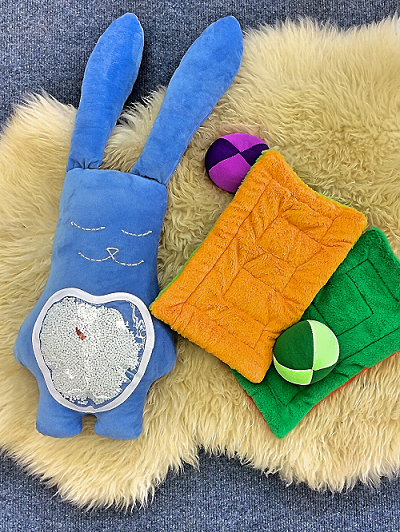
Toys such as stress balls can help a child develop their senses as this helps them practice gripping their hands, along with catching and throwing the ball which adds motor skills and coordination, which requires an increase of concentration and attention. Sensory socks or eggs are also a useful form of sensory therapy as this gives the child a space to become aware of their surroundings, gives them alone time for relaxation and most importantly helps them grow their imagination.

So in short, the answer to your question is yes, sensory play is crucial for your child’s development. And since children today are no longer given ample opportunities for naturally occurring sensory play, it is up to us as parents to be sure their needs are met.

For more information on products which help with sensory deprivation visit Löyn Toys.

Veronika Lazarenko,

Founder of Löyn Toys

https://www.etsy.com/uk/shop/LoynToys

https://www.facebook/LoynToys

Our Diabetes Champions Raise Awareness at Croydon College
BlogDiabetesNon-Communicable Diseases (NCDs)

Our Diabetes Champions Raise Awareness at Croydon College

Type 2 diabetes is three times more common in the black community and as this type of diabetes can be prevented or delayed with a healthy lifestyle we can make a huge difference in our community by raising awareness.  With this in mind The Lake Foundation has teamed up with Diabetes UK with funding from Croydon Council to run a diabetes community champion project. The aim of this project is to empower the black community with the information that is needed to fully understand diabetes, its symptoms, risk factors and prevention so action can be taken.

We’ve recruited 17 community champions who have received in-depth training from Diabetes UK. The training has equipped them to get out in the community and effectively raise awareness and encourage behaviour change. They will get out and about targeting black churches, businesses and other organisations and we hope that this will make a significant difference in reducing the negative impact of diabetes on the black community in Croydon. We’ll be getting across the message that we can all reduce our risk of developing diabetes by eating a healthier diet, doing more exercise and maintaining a healthy weight.

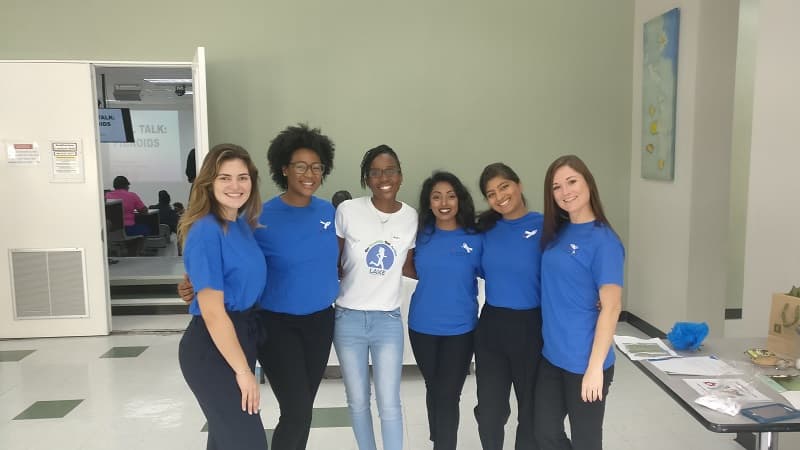
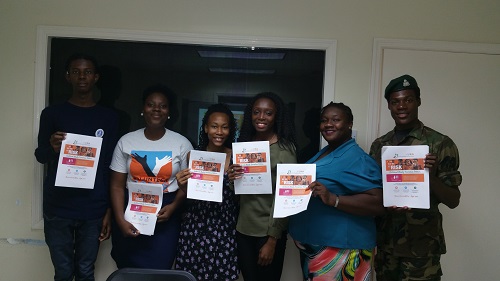
On 14th June, our champions hosted their first awareness event at Croydon College where they raised awareness amongst staff and students giving out leaflets and encouraging people to take Diabetes UK’s useful ‘know your risk’ test. In addition to this they also helped out on 10th June at Diabetes UK and the Thinking Forward Initiative’s diabetes workshop in Crystal Palace.

Through both of these event our champions were able to reach our community, raise awareness and get people to think about lifestyle changes they can make to improve their health and reduce their risk of developing diabetes.

We’re so happy with the great work our champions have done so far and we’ll be back out in Croydon soon raising awareness. We’ll see you all on our travels!

Introducing Chateez
BlogMental Health

Introducing Chateez

In today’s blog we hear from Natasha Rego, the founder of Chateez who discusses the inspiration behind her organisation and what they hope to achieve.

Before I discuss Chateez in detail, I’d like to explain the inspiration behind it and the problem it hopes to solve.

The problem

Social media sites like Facebook, Snapchat and WhatsApp tend to dominate the way a lot of us communicate these days – and these sites are particularly popular among teenagers.

Now, social media can have several benefits. For instance, research shows that younger people are more at ease talking to their peers on their smart phones via social media than they are in a face-to-face setting, and it can help build stronger relationships, too.

However, social media can also pose a major problem: it is a further barrier to the way we communicate, especially among younger people.

The solution?

As a youth worker, I couldn’t fail to notice the growing trend for young people to be practically glued to their phones checking their social media accounts, which made communicating with them effectively a real challenge.

It became apparent to me that I needed to find a fresh way to spark conversation and engage with the young people I worked with. And It occurred to me that there’s one language teenagers are familiar with from their extensive use of social media: the emoji. With plenty of input of the young people I worked with, the concept of Chateez cards was born

What is Chateez?

Chateez cards are a modern twist on the flashcard. Every card features an emoji, which is designed to spark conversation and to encourage people to open up about their feelings. They have been designed to be visually appealing, and they are also versatile and flexible, which gives them a broad range of uses.

Best of all, Chateez cards achieve what I intended: they make talking so much easier, and they’ve certainly proved to be a conversation starter among many of those who have used them.

As I’ve previously explained, young people were the primary inspiration behind the cards, but they are just as suitable for use with children and adults. And I’ve received awesome feedback from a diverse range of users, including child psychologists, mental health charities, parents and fellow youth workers.

The key benefits of Chateez cards

  • They spark conversation, providing young people with the opportunity to talk about how they are really feeling.
  • They break down barriers, while using a common ‘language’ that is well-known to most of us – emojis.
  • They can be used to diffuse conflict/situations peacefully by encouraging conversation.
  • They are engaging and help to create a comfortable setting, which makes talking easier.

Thanks for reading my blog if you’d like to find out more about us please visit our website  or link up with us on Social Media (Twitter and Facebook)

A Focus on Diabetes
BlogDiabetesNon-Communicable Diseases (NCDs)Volunteer Bloggers

A Focus on Diabetes

This week is Diabetes Awareness Week and our guest blogger, Stacey Mensah discusses a diabetes diet as well as our current Diabetes Community Champion project. 

Welcome back to the Lake Foundation’s blog! Today I’ll be talking about diabetes, but more specifically the idea of a diabetes diet. Now before I continue I have to say that there is no such thing. This is in in fact a myth. Different diets correspond to the different needs of those that have diabetes. In this post I would like to tell you about the two main types of diabetes and the diets that correspond with them. Before I go on however it’s important to note that you should seek medical advice before following any type of diet program. As I don’t want to misinform you all I’ll be mentioning the two most common types of diabetes – Type 1 and Type 2.

Type 1 Diabetes

Type 1 diabetes is the most common form of the disease that is found in children. Insulin dependent diabetes is a term that is also used to describe type 1 diabetes. This causes the loss of insulin production which means that you would be required to regularly administer levels by injection or by insulin pump. When you have this type of diabetes you need to consider how different foods are going to impact your blood glucose levels and how to balance the quantity of carbohydrate with the right amount of insulin.

Here at the Lake Foundation we are constantly promoting healthy eating but when you have type 1 diabetes this should really be stressed as it can play a part in helping to prevent the development of complications. This goes without saying but limiting the amount of processed foods you eat should be at the top of your agenda. Some may wish to adopt a reduced carbohydrate diet as they can be helpful for people who are struggling to keep control on a carb centred diet.

Type 2 Diabetes

The confusion between these two types of diabetes is quite common as they are both characterised by higher than normal blood sugar levels. The key difference is that type 2 diabetes can be prevented or delayed with a healthy lifestyle. There are also no episodes of hypoglycaemia, unless the person is taking insulin or certain diabetes medicines. It is also important to note that you may not have symptoms before the diagnosis. Usually types 2 diabetes is discovered in adulthood.

Having type 2 diabetes does not mean that you can’t have fun with your foods. Instead, it means that you just have to pay extra attention to choosing the right combination of foods that will keep your blood sugar level in your target range. On the whole it’s important to eat healthy regardless of your health situation.

 Our Diabetes Community Champion Project

Type 2 diabetes is three times more common in the black community and as I mentioned above this type of diabetes can be prevented or delayed with a healthy lifestyle. With this in mind The Lake Foundation has teamed up with Diabetes UK with funding from Croydon Council to run a diabetes community champion project. The aim of this project is to empower the black community with the information that is needed to fully understand diabetes, its symptoms, risk factors and prevention so action can be taken.

We’re delighted to have recruited 17 community champions who have received in-depth training from Diabetes UK. The training has equipped them to get out in the community and effectively raise awareness and encourage behaviour change. They will get out and about targeting black churches, businesses and other organisations to raise awareness and we hope that this will make a significant difference in reducing the negative impact of diabetes on the black community in Croydon. We’ll be getting across the message that we can all reduce our risk of developing diabetes by eating a healthier diet, doing more exercise and maintaining a healthy weight.

This week, on 14th June, our champions will be at Croydon College raising awareness amongst staff and students giving out leaflets and encouraging people to take Diabetes UK’s useful ‘know your risk’ test. If you’re in the area over lunch time why not drop by, pick up some information and speak to our champions.

Elevate 2017
BlogPhysical Activity

Elevate 2017

On Wednesday 10th May, we attended the second annual Elevate conference, an event that aimed to tackle the issue of inactivity in the UK and provide a forum for cross-sector debate on physical activity, health and wellbeing.

This conference included seminars, a tech lab, a stage area showcasing interesting projects and products, and there was also an exhibition area.

The seminar programme was divided into four streams: Physical Activity for Health and Wellbeing; Inclusivity – Creating an Active Nation;  Future Performance; and The Business of Physical Activity.

Inclusivity

We attended the sessions in the inclusivity stream which started with a keynote debate ‘Tackling Inactivity: What are the priorities?  On the panel of this debate was: Steve Gray, the Chief Executive of Nuffield Health, Steven Ward, Executive Director of UK Active, Professor Robert Copeland, from Sheffield Hallam University and Paul Tuohy, Chief Executive of Cycling UK.

This was a very interesting discussion with the panellists giving their view on where we need to focus our attention if we are to ensure that exercise is more inclusive.

Steve Gray from Nuffield Health  provided some good background stating that  1 in 3 people in the UK are inactive, 1 out of every  10 deaths  in the UK is linked to an inactive lifestyle and inactivity costs the NHS £1Billion. He also explained that we have more people living in urban areas and most people are very much dependent on technology which has led to a more sedentary lifestyle.

He explained that there is no single solution to address this issue but felt that firstly everyone needs to take accountability and that includes the government, businesses and individuals. He also explored the fact that exercise needs to be more accessible practically (made more affordable, easy to fit into a person’s day) and emotionally (everyone needs to feel that they can do it). Finally he also discussed the fact that we need to look at new approaches that are bespoke, suit the individual and are holistic, so they go beyond just the physical.

It was also interesting to hear from Steve Ward from UK Active who explained that their work focuses on communicating the message that it doesn’t matter how long you move for just as long as you move. This is a simple message that makes exercise less daunting.

One of their main priorities is getting more children and young people active as we currently have the most inactive children compared to  previous  generations.

One area they are working on is making sure that children keep active during the summer holidays. He explained that during term time children tend to be very active but once they go on holiday all physical activity ceases.

Another focus area for them is targeting workplaces and ensuring that businesses have a health and wellbeing offer for their staff.

Paul Tuohy also provided some useful insight explaining that 90% of people in the UK own a bike but only 2% of people commute to work or school regularly. The challenge is how to get people from good intentions to action. He also explained that exercise needs to be made simple and people need to get away from the artificial idea that to be fit they need to be a member of the gym. With regards to cycling, he felt that there was a need to normalise cycling rather than feeding the idea that it is an elite sport. People need to see cycling as fun and something they can do everyday.

Engaging with the  least active

We also really found the seminar session on addressing the least active very interesting. This focused on projects that have explored the motivations, attitudes and lifestyles of the most inactive people.

We first heard from Barry Horn from the English Federation of Disability Sport. He spoke about their project Get Out Get Active which is a sport and active recreation project for people with a disability. He explained the need for the project – people with a disability are the single most inactive people in the nation. He stated that their project looked at reaching inactive groups through outreach, engagement and effective marketing and a major priority for them was ensuring sustainability – making disabled people active for life.

As part of their project they explored what disabled people wanted from an exercise program and 64% wanted to take part in physical activity and sport with non-disabled people, they didn’t want to be excluded.

They have also developed some key principles for getting people active – drive awareness, engage the audience and offer support and reassurance.

In this session we also heard from Age UK about how they are getting the elderly more active and the Women’s Sport Trust on the work they’re doing with girls and women.  We were particularly interested in the presentation by Anun King from Sporting Equals about exercise and ethnicity.  He showed data that looked a physical activity and participation in different ethnic groups and this suggested that black and Asian women were the least active.  He explained that some of the barriers to participation were cultural, attitudes to exercise,  socio-economic and organisational.  To address this Sporting Equals have implemented a number of project including a faith centre model. This focused on people from an Asian background. Anun explained there were a number of benefits of working with faith based organisations, these include their large footfall and they have indoor and outdoor facilities. He discussed other projects which included their cultural events model, community sport zones and ethnic minority media work.

Great day out

This was a really busy day that we thoroughly enjoyed it. We attended so many presentations but just wanted to highlight a few interesting ones in this blog. Other projects that you may find interesting that we learnt about at Elevate were:

You can find out more about Elevate on their website and look out for the next event in May 2018.