At Lake Health and Wellbeing, we design and implement public health interventions that aim to improve the health and wellbeing of our local, regional and online communities. Our work includes pilot initiatives, projects and programmes that respond to identified health needs and are designed to create meaningful, long-term impact for our target groups.
Our interventions are evidence-informed, community-centred and equity-focused. Many begin as small-scale pilots, allowing us to test approaches, generate learning and build the case for sustainable policy, systems or programme change. Collectively, they address key public health challenges, particularly non-communicable diseases (NCDs), women’s health, youth wellbeing and health equity.
Some Examples of Our Work
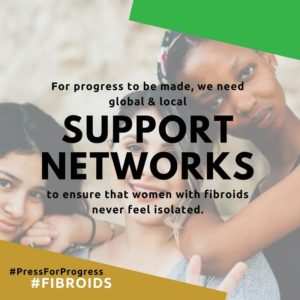
Fibroids Research, Information and Support Programme
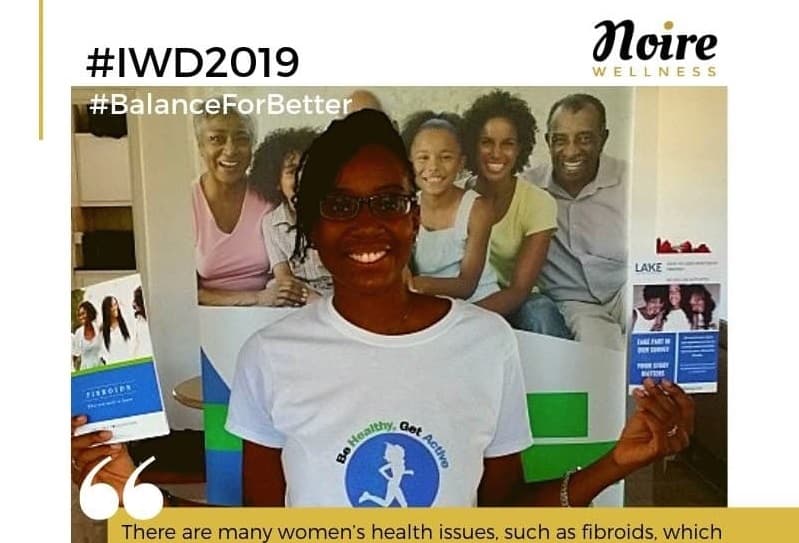
This programme focuses on improving understanding, awareness and support for women living with fibroids. Through research, education and safe spaces for shared experiences, we aim to reduce stigma, improve health literacy and inform better policy and service responses to fibroids and other chronic pelvic conditions.
Conferences, Workshops, Webinars and Other Events
We deliver a range of events that bring together communities, professionals, advocates and policymakers. These platforms support learning, dialogue and collaboration on public health priorities, with a strong focus on NCD prevention, health equity and community empowerment
My Healthy Heroes
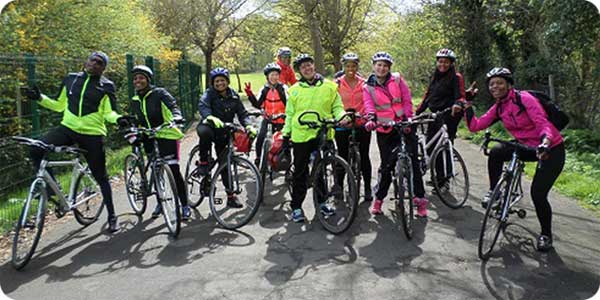
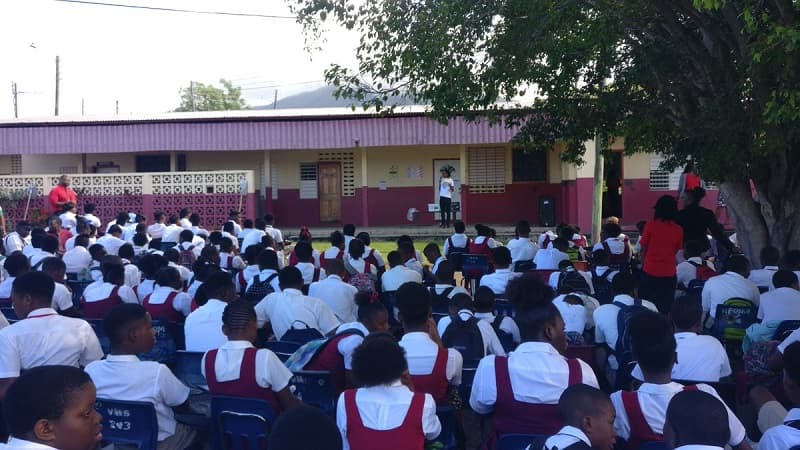
My Healthy Heroes is a child- and youth-focused initiative that promotes healthy habits through creative and engaging approaches, including animation, video games and music. The project supports early prevention by encouraging physical activity, healthy eating and wellbeing from a young age.
Research Project: Women’s Health
Our women’s health research explores the lived experiences, health challenges and systemic gaps affecting women in St. Kitts and Nevis. The findings are used to inform advocacy, guide programme development and support the call for comprehensive, gender-responsive health policies.
Healthy Food Policy Advocacy Project
This project focuses on improving food environments through policy advocacy with the goal of reducing diet-related NCDs and supporting healthier choices for all.
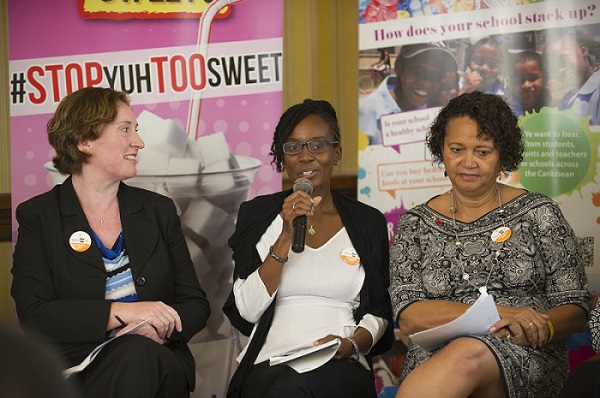
In recent years, this project has increasingly focused on advocating for an SSB tax as a population-level intervention to reduce consumption, improve diets, and generate revenue that can be reinvested into health promotion and prevention initiatives. This was achieved through our You’re Sweet Enough project.
SKN NCD Alliance
We coordinate and support the St. Kitts and Nevis NCD Alliance, a coalition of organisations and individuals working together to prevent and control NCDs. The Alliance strengthens collective advocacy, information sharing and multi-sector collaboration on NCD-related policy and action.
Menstrual Health Education Programme
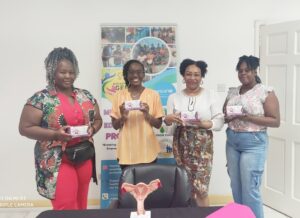
Our Menstrual Health Education Programme aims to improve menstrual health literacy, reduce stigma, and promote dignity and equity for those who menstruate. Through community and school-based education, youth and parent engagement, and policy advocacy, the programme addresses both the practical and social barriers that affect menstrual health. This work supports healthier outcomes, greater confidence and improved participation in education and daily life.
Practicum Programme
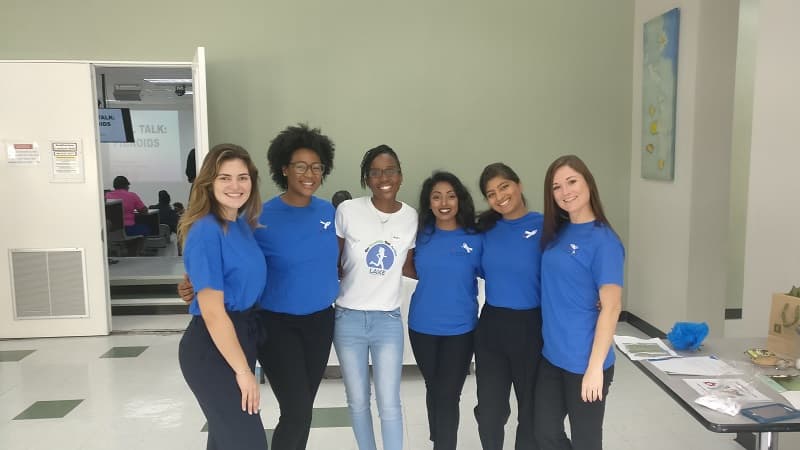
Our Practicum Programme provides students and early-career professionals with hands-on experience in public health, research and advocacy. Participants contribute to real-world projects while building skills, confidence and a deeper understanding of public health practice.
The webinar recording on the left was organised by two of our practicum students
Our Approach
Across all our public health interventions, we prioritise:
Community voices and lived experience
Evidence-informed action
Equity, inclusion and accessibility
Partnerships and cross-sector collaboration
Sustainability and long-term impact
Through these interventions, we aim not only to address immediate health needs, but also to contribute to stronger systems, informed policies and healthier communities over time.