
Contacts

Bird Rock, St Kitts, St Kitts and Nevis, West Indies

info@lakehealthandwellbeing.com

+1 869 765 8702

Category: News

Our Next Chronic Disease Self-Management Workshops Will Start in July
CDSM CourseNews

Our Next Chronic Disease Self-Management Workshops Will Start in July

We’re delighted to announce that our next set of chronic disease self-management courses will start in July 2019.

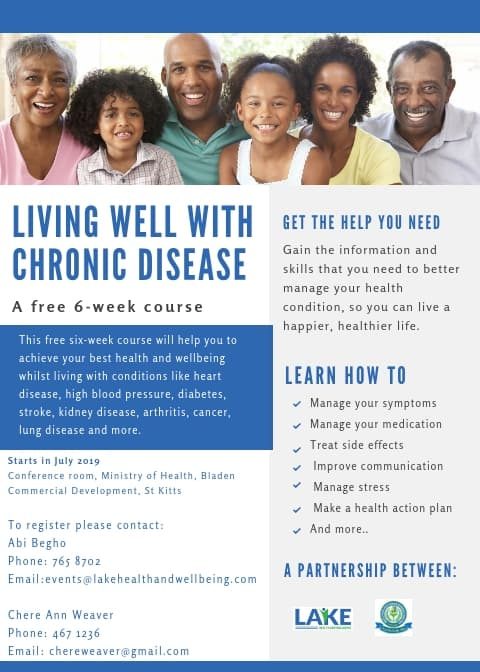
Following the success of our first chronic disease self-management course which ran from 2nd April to 7th May 2019, we will be hosting two more sets of workshops. The first will start on Tuesday 2nd July and the second on Wednesday 3rd July. Both workshops will be held at the conference room at the Ministry of Health in St Kitts from 5pm to 7pm.

The course is aimed at anyone living in St Kitts who is either living with a chronic health condition (like diabetes, high blood pressure, asthma, fibroids, heart disease, arthritis, chronic back pain etc.), is caring for someone with a chronic illness, is at risk of developing a chronic health condition or who is interested in the topic and would like to learn more.

Participants will attend one session a week for 6 weeks and during this period they will be provided with the information, skills and knowledge to live well with their health condition. This will enable those affected by a chronic disease to take control of their health and wellbeing and not be hindered in any way by their condition.

Over the six weeks, attendees will be taken through key self-management techniques such as action planning, problem-solving, symptoms management, medication management, communication skills, pain management and more.  Additionally, attendees will have access to free health checks and relevant services to enable them to adopt a healthy lifestyle.

If you or anyone you know is living with a chronic disease or caring for someone with a chronic disease, then this workshop is just what you need.

You can register your interest by completing the registration form below and for more information or if you have a question about this course, please email us or call 765 8702.

No Fields Found.

Please note: The information you provide in the form above will only be used to contact you about our chronic disease self-management course. It will not be passed on to any third party and you won’t be added to our newsletter’s mailing list. To be added to our mailing list, please click here.
A Touch of Sugar – A New Film About Type 2 Diabetes
DiabetesNews

A Touch of Sugar – A New Film About Type 2 Diabetes

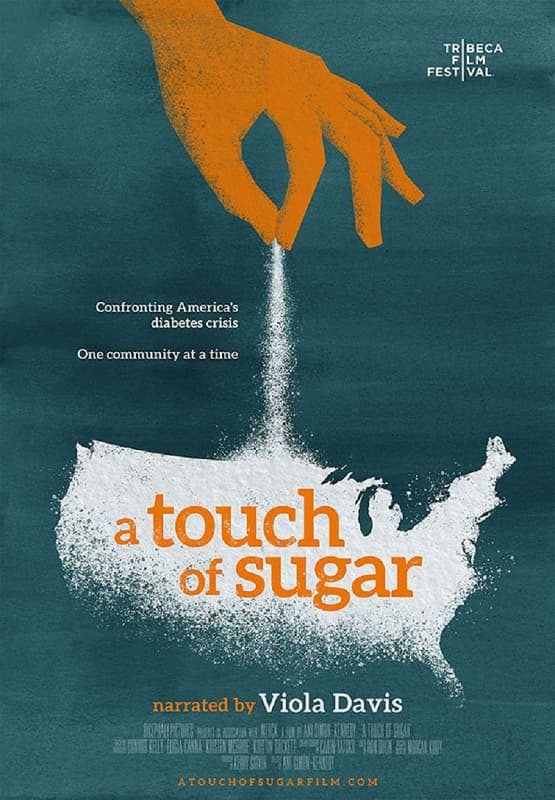
On 25th April,  the pharmaceutical company Merck launched their new documentary, A Touch of Sugar, at the Tribeca Film Festival.

The documentary is narrated by the award-winning actress Viola Davis who has a strong family history of type 2 diabetes and who herself is pre-diabetic.

The World Health Organisation has reported that in 2014, 422 million people worldwide were living with diabetes. The majority of these patients, about 90%,  are living with type 2 diabetes.

Type 2 diabetes is now considered by many to be an epidemic and the film, A Touch of Sugar, delves into this chronic condition by telling the story of the many people who have been affected. The film features interviews with patients, family members, doctors, advocates and thought leaders to raise awareness of diabetes, its impact on society and the importance of focusing on underserved communities.

You can watch the trailer for the documentary below:

A Touch of Sugar Trailer from A Touch of Sugar on Vimeo.

A Touch of Sugar is part of Merck’s program,  ‘America’s Diabetes Challenge: Get to Your Goals’ which encourages type 2 diabetics to work with their doctors to reach a number of health goals.

You can reduce your risk of developing type 2 diabetes by maintaining a healthy weight, eating a healthy diet and taking part in at least 150 minutes of physical activity every week. If you have diabetes, speak to your doctor about the lifestyle changes that you can make to ensure that you’re managing your condition effectively.

In St Kitts and Nevis, diabetes is also a major health challenge, you can read about this here

We have started facilitating regular chronic disease self-management courses. These courses have been developed by Stanford University and have been proven to help those living with chronic conditions such as diabetes live well despite their condition.

If you live in St Kitts and Nevis and would like to learn more about managing chronic diseases, you can register to attend our next chronic disease self-management course, by sending us an email.

The Task Force on Fiscal Policy for Health Publishes Their Report on Health Taxes to Save Lives
NewsSSB Tax News

The Task Force on Fiscal Policy for Health Publishes Their Report on Health Taxes to Save Lives

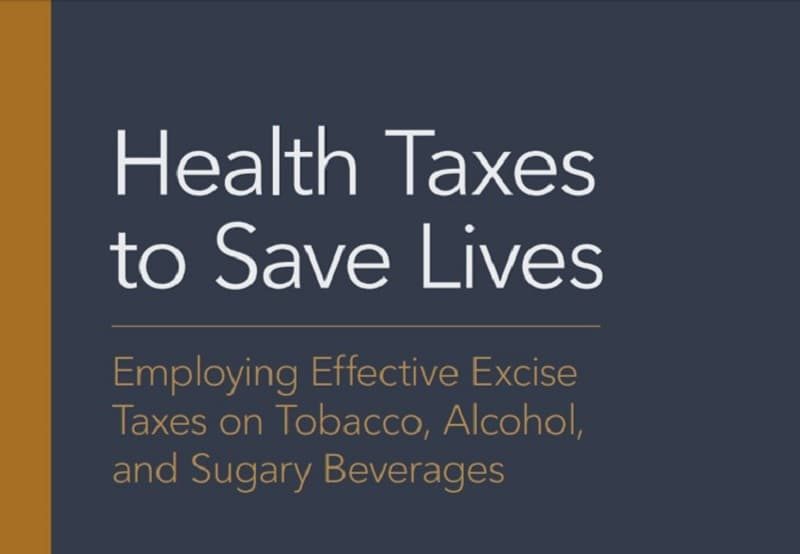
Early in April 2019, the Task Force for Fiscal Policy for Health published their report ‘Health Taxes to Save Lives.’ This report explores the effect of taxing tobacco, alcohol and sugar-sweetened beverages (SSBs) on the purchase and consumption of these products.

These products are the focus of this report because they contribute significantly to increasing a person’s risk of developing a non-communicable disease (NCD).

They explain that the introduction of well-designed excise taxes can significantly reduce the consumption of tobacco, alcohol and SSBs and as a result improve the public’s health, save lives and raise a significant amount of revenue that can be used to tackle NCDs.

In order to reap the benefits of taxing these products, the Task Force recommends that the imposed tax should be an excise tax (as opposed to a sales tax or increasing customs duty)  and the level of tax should be high enough to deter consumption from those in both high and low-income brackets.

“If all countries increased their excise taxes to raise prices on tobacco, alcohol, and sugary beverages by 50 per cent, over 50 million premature deaths could be averted worldwide over the next 50 years while raising over the US $20 trillion of additional revenues in present discounted value. Raising taxes and prices further in future years would save additional lives and raise even more revenues.”

The report stresses the importance of the taxation of these three products as a strategy for tackling NCDs as data has shown that 10 million premature deaths per year could be prevented by reducing the public’s consumption of tobacco, alcohol and SSBs.

The report also addresses industry’s opposition to taxation, which the Task Force describes as “flawed” and they further state that industry’s arguments against taxation are “false or greatly exaggerated, and none justify inaction.”

In the report, the Task Force takes each of industry’s arguments and addresses them showing why they are flawed, false or exaggerated. Industry’s arguments include:

  • A decline in government revenue
  • Loss of employment
  • A negative impact on the poor
  • Illicit trade, tax avoidance, and tax evasion

They also explain how industry has tried to influence and undermine public policy in unethical ways to halt the progress of taxation.  Industry has sought to confuse the public, censor scientific research on the harms of their products and have used other such tactics to disrupt work by public health officials and policy workers.

The report concludes with a call for countries to take urgent action to reduce the consumption of tobacco, alcohol and SSBs. The Task Force, at the end of its report, recommends the following:

  • Countries should rapidly and significantly increase tobacco taxes and continue to raise taxes over time to make tobacco products less affordable, to reduce use, and to prevent unnecessary death and disease.
  • Countries should rapidly and significantly increase alcohol taxes and continue to raise taxes over time to make alcohol less affordable, to reduce consumption, and to prevent unnecessary death and disease.
  • Countries should actively implement policies directed at reducing consumption of sugar as it is a significant contributor to the rise in obesity, diabetes, and other associated noncommunicable diseases.
  • Countries should design their health taxes to be easy to administer, hard to manipulate, and difficult to game.
  • In addition to significantly raising health taxes in the short term, countries should improve excise tax administration and enforcement in order to reap the full benefits for health and revenues.
  • The international community – including international financial institutions and UN agencies, governments, civil society, and the research community – should take action to support countries to adopt, implement, and significantly raise effective health taxes.

You can download the full below.

World Health Day 2019: Universal Health Coverage
NewsNon-communicable diseasesObesity

World Health Day 2019: Universal Health Coverage

Today, Sunday 7th April 2019, is World Health Day. This year, the World Health Organisation is focusing on the topic of Universal Health Coverage (UHC) with the theme being ‘Health for All – Everyone, Everywhere.’

WHO states that “Universal Health Coverage means that all people have access to the quality health
services they need, when and where they need them, without financial hardship.”  They explain that  Universal Health Coverage includes the full spectrum of health services which encompass prevention, diagnosis, treatment, rehabilitation and palliative care.

Providing UHC is one of the Sustainable Development Goals and countries throughout the world, including St Kitts and Nevis are exploring how UHC can be achieved.

In recognition of the World Health Day theme we thought it would be useful to share this excellent interview from January 2019 with Chairperson of the St. Kitts and Nevis National Commission for Universal Health Coverage , Azilla Clarke.

In this informative interview we hear about the government’s plans for UHC. The discussion includes an overview of the major health challenges in the Federation, including non-communicable disease (NCDs), how we can address these and how UHC can contribute to tackling NCDs.

You can watch this interview below and happy World Health Day!


Photo Credit: SKNIS

We Become a Member of the SKNBS Technical Committee for Labelling
Childhood Obesity NewsFront-of-Pack Labelling NewsNews

We Become a Member of the SKNBS Technical Committee for Labelling

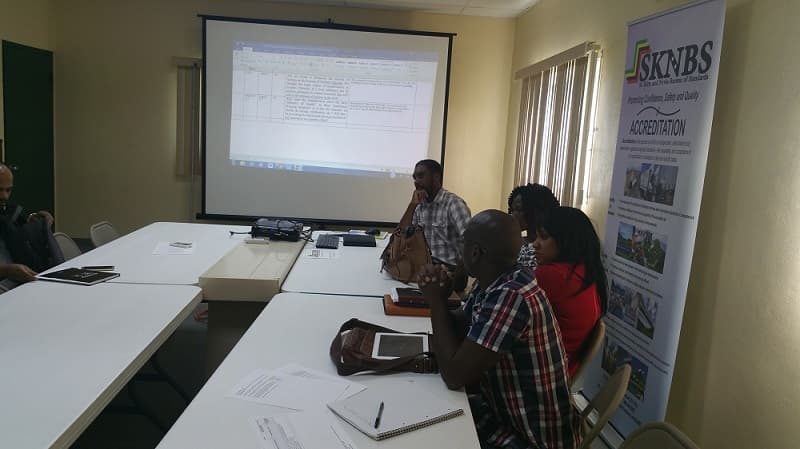
We are absolutely delighted to have been invited to become a member of the St Kitts and Nevis Bureau of Standards Technical Committee for Labelling.

The St Kitts and Nevis Bureau of Standards has the responsibility of protecting the environment, health and safety of consumers. They focus on preparing, promoting and adopting standards on a national, regional and international basis with respect to the structures, commodities, materials, articles and other products and services offered to the public commercially. Through their work they promote standardization and quality assurance in industry and commerce.

One of the areas that the Bureau focuses on is ensuring the proper labelling of pre-packaged food items. Currently, the CARICOM Regional Organisation for Standards and Quality is updating the regional standard for the labelling of pre-packaged foods. The updated standard includes the introduction of front-of-pack labelling .

Front-of-pack (FOP) labels are just one of several strategies being used worldwide to tackle obesity and non-communicable diseases (NCDs). This type of labelling aims to provide the public with a quick way to assess the health of the foods they purchase and consume, making it easier to identify which foods are high in salt, saturated fat and sugar. It is also hoped that manufacturers will take notice of the labelling of their products and be encouraged to reformulate their products and reduce the amount of salt, sugar and saturated fat in them.

As part of our role in the SKNBS Technical Committee for Labelling we will be providing input on the need for FOP labels as a useful tool for the public to make healthier choices and for the government to tackle NCDs, a significant challenge in St Kitts and Nevis causing 83% of the islands’ deaths.

Last month we attended our first meeting of this committee and were delighted to have had the opportunity to have a productive discussion on FOP labels.

We’d like to thank the committee for inviting us to be a member of this group and are very much looking forward to making a positive contribution going forward.

WCRF Publishes a Report on Front-of-Pack Nutrition Labelling
Front-of-Pack Labelling NewsNews

WCRF Publishes a Report on Front-of-Pack Nutrition Labelling

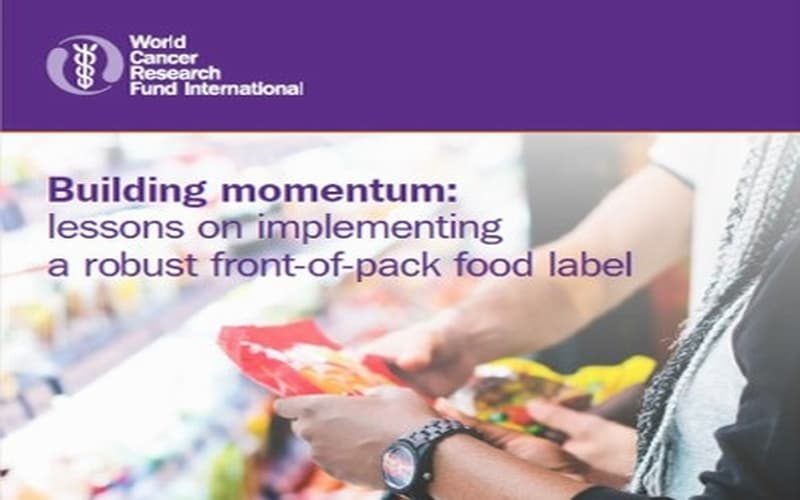
The World Cancer Research Fund recently published a very informative and useful report on the lessons learnt globally from implementing front-of-pack (FOP) labels.

This report is the second report in their Building Momentum series and aims to provide policymakers with evidence-based advice on the design and implementation of FOP labelling.

FOP nutrition labelling is just one of several strategies being used worldwide to tackle obesity and non-communicable diseases (NCDs). This type of labelling aims to provide the public with a quick way to assess the health of the foods they purchase and consume, making it easier to identify which foods are high in salt, saturated fat and sugar. It is also hoped that manufacturers will take notice of the labelling of their products and be encouraged to reformulate their products and reduce the amount of salt, sugar and saturated fat in them.

Currently many countries are exploring the introduction of FOP labels so the WCRF’s report is very timely. It covers the following areas:

  • Why FOP labels are important in tackling NCDs
  • A summary of the research on the effectiveness of FOP labels
  • The history of FOP labels and current status of FOP labels globally
  • The different types of front-of-pack labels
  • Developing a clear strategy for FOP labels that considers the following
    • The local context
    • Ensuring strategies are based on evidence
    • Having clear aims and objectives
    •  Carefully design of labels
    •  Good stakeholder engagement
    • Monitoring and evaluation are included at the early planning stage-
  • Defending FOP labelling

The report includes case studies from countries who have already implemented front-of-pack labelling providing very useful real-word examples of the challenges involved in introducing FOP labelling and how to overcome them.

With the Caribbean currently exploring the introduction of FOP labelling we believe this report is a must-read for policymakers throughout the region.

The report can be downloaded below and for more information on the WCRF please visit their website here

Campaign Calls For Yearly Gynaecological Check-ups for Every Woman in the UK
CancerNewsWomen's Health

Campaign Calls For Yearly Gynaecological Check-ups for Every Woman in the UK

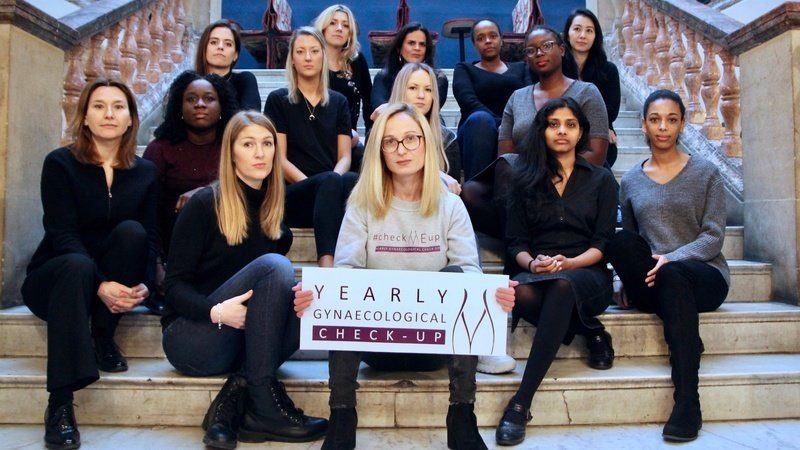
Lake Health and Wellbeing is  happy to support Dafina Malovska’s campaign calling on the UK’s Department of Health to introduce annual gynaecological check-ups for every woman in the UK. We believe a policy like this will save many lives by enabling the early diagnosis of gynaecological cancers that have no screening programmes – ovarian, womb, vulval and vaginal cancers.

Also, annual check-ups can assist in the early diagnosis of a range of conditions that significantly affect women’s quality of life, such as fibroids and endometriosis.

You can show your support by signing Dafina’s petition here and please read the article below to find out more about this issue.


At the age of 35, Dafina Malovska was diagnosed with stage 2 womb cancer which had spread to her ovaries. Her only option, at the time, was to have a total hysterectomy (the removal of her womb and both ovaries) which sadly deprived her of having her own children and plunged her into an immediate surgical menopause.

Dafina was lucky that her cancer was diagnosed at a fairly early stage and she survived, but many women are not so lucky and are diagnosed at a late stage when it is too late for successful treatment.  The late diagnosis of these gynaecological cancers occur, in part, because there is no screening programme for most of these cancers.

Currently in the UK cervical cancer is the only gynaecological cancer with a screening programme and this has successfully reduced the incidence and mortality rates for cervical cancer.

Developing a cancer screening test is challenging and researchers across the world are working tirelessly to develop screening tests for those cancers that require one.  Until then, when it comes to womb, ovarian, vulval and vaginal cancers, women have to be aware of the signs and symptoms, but this can be problematic as it can be hard to identify symptoms as the symptoms of these types of cancers are similar to a range of other conditions which can lead to misdiagnosis.

For example, in February 2014, before Dafina was diagnosed with womb cancer she started experiencing extreme bloating and visited her doctor almost monthly. Eventually her symptoms were wrongly attributed to gluten-related bloating and by November of that year Dafina became very unwell while abroad and it was subsequently discovered that she had 14cm tumour weighing 500g .

If Dafina had access to an annual gynaecological check-up her tumour could have been discovered earlier before it had spread to her ovaries.

In many countries throughout the world, girls and women have annual gynaecological examinations and it’s important that the UK explores this approach as its survival rates for gynaecological cancers such as ovarian cancer are significantly lower than other countries’ rates.

Change is needed and you can make a difference by signing Dafina’s petition which appeals to the Secretary of State for Health, Matt Hancock MP, and the Minister for Women and Equality, Penny Mordaunt, to explore the introduction of annual gynaecological check-ups for women in the UK.

The first target for this petition is 10,000 signatures and her ultimate target is 100,000.  So far, Dafina has been able to secure 3,723 signatures. When her target is achieved, her petition will be presented to Matt Hancock and Penny Mordaunt.

Dafina would be very grateful if you could please sign, share and spread the word and for more information, you can follow her campaign on Instagram

We’re Recruiting Volunteers
News

We’re Recruiting Volunteers

We’re always looking for volunteers so if you have an interest in dedicating some of your time to a good cause, then please do complete the form below.

Our opportunities are very flexible so you can dedicate as much, or little, time as you’re able to. For most of these roles you can work  from anywhere in the world using collaborative tools like Zoom, Google Docs and WhatsApp  to work virtually with team members and other volunteers.

Our current volunteer opportunities include bloggers, social media officers, admin assistants, event assistants and graphic designers. Find out more below:

Bloggers

Do you like writing? Are you interested in health and inequalities? Then why not volunteer to become a Lake Blogger. As a blogger you’ll write articles on health issues that are of interest to the black community and can select health topics or we’ll provide you with a topic list. You can then submit your blog articles when you’re able to, we’ll review your article, provide feedback and then publish it. You’ll be listed as the author and are welcome to share your articles far and wide. After major milestones (e.g. first 10 blogs, volunteering for a year, getting to 1000 blog views) you’ll receive a certificate and the opportunity to be interviewed about some of your stories.

Want to see some of the great blog posts that our previous volunteers have worked on? You can check these out here

Social Media Officers

Is social media your thing? Then this opportunity is perfect for you. You’ll manage our Twitter, Instagram and Facebook accounts creating engaging content that promotes our work, raises awareness of health issues that are particularly relevant to the black community and assist with developing specific social media campaigns. You’ll also assist with organising our fibroids Twitter chats and explore ideas for social media events.  After major milestones you’ll receive certificates and awards to recognise your contribution to our organisation.

Admin Assistants

Are you able to give just a few hours a week to help us behind the scenes? We’re looking for Admin Assistants who can help with organising and evaluating health awareness events (including liaising with speakers and vendors), being the point of contact for email enquiries, assisting us in writing reports, conducting desk-based research and  assisting with a range of other administrative tasks. After major milestones you will be recognised for your contribution to our organisation.

Event Assistants

In 2019, we’ll be hosting a series of women’s health events in St Kitts  entitled ‘Girl Talk: Informal, Informative and Empowering Discussions on Women’s Health.’ These events are being organised in collaboration with the University of Medicine and Health Sciences and we’re looking for volunteers to assist on event days with the following tasks:

  • Setting up the venue
  • Assisting with social media coverage of the day
  • Helping collect data  (encouraging people to complete feedback forms, encouraging attendees to sign-up to our mailing list, counting the number of attendees etc.)
  • Welcoming vendors and speakers and helping them set up
  • Handing out promotional material
  • Selling raffle tickets
  • Clearing up at the end of the event
  • Ushering duties (showing attendees to their seats and giving directions)

Graphic Designers

We’re looking for graphic designers who can volunteer for a few hours a week to assist with a variety of design projects. These include:

  • The redesign of our fibroids booklet
  • The design of our fibroids fact sheets
  • Creation of flyers for health awareness events
  • Design of social media promotional material for campaigns
  • Design of information packs, information sheets, guides, reports etc.
  • Creating website images
  • Designing infographics and educational material

More Information

For more information about these roles, please email info@lakehealthandwellbeing.com 

Apply

You can apply for any of these roles by completing the form below.

No Fields Found.

The information that you provide in this form will only be used to help us find the best volunteer opportunity for you and won’t be shared with, or sold to, any third parties.

Researchers in the UK Have Developed A Comprehensive Method of Predicting Breast Cancer Risk
CancerNewsWomen's Health

Researchers in the UK Have Developed A Comprehensive Method of Predicting Breast Cancer Risk

Cancer Research UK has reported that its scientists have developed a very comprehensive method of predicting a women’s risk of developing breast cancer.

This work was recently published in Genetics in Medicine where it was explained that by combining information on family history, genetics and other factors like weight, age at menopause, alcohol consumption and use of hormone replacement therapy, scientists are able to determine a woman’s breast cancer risk.

What makes their prediction more precise than previous methods is that researchers, for the first time, included 300 genetic indicators for breast cancer in their risk calculation.

This piece of work has led to the development of an online calculator that General Practitioners (GPs) in the UK can use in their surgeries. Currently this online  calculator is being tested by GPs, nurses and genetic counsellors before it is released nation-wide. The hope is that this tool will enable healthcare professionals to explore early detection and prevention strategies for women based on their risk and therefore improve survival rates for breast cancer.

Although this work is very exciting more work is needed, as expressed by lead author, Professor Antonis Antoniou, who said:

“It could be a game changer for breast cancer because now we can identify large numbers of women with different levels of risk – not just women who are at high risk.

This should help doctors to tailor the care they provide depending on their patients’ level of risk. For example, some women may need additional appointments with their doctor to discuss screening or prevention options and others may just need advice on their lifestyle and diet.

“We hope this means more people can be diagnosed early and survive their disease for longer, but more research and trials are needed before we will fully understand how this could be used.”

Additionally, Dr Richard Rope, Cancer Research UK’s GP expert warned that:

“Research like this is hugely exciting because in the future it will enable us to offer much more tailored care which will benefit patients and make best use of the services that we have available.

“Although having an increased risk of breast cancer means a woman is more likely to develop the disease – it’s by no means a certainty. A woman at high risk may never get breast cancer just as a woman at low risk still could. But any woman with concerns should speak to her GP to discuss the options.”

For more information on this work, you can read Cancer Research UK’s research paper here

Hon Hazel Brandy-Williams Joins FIT’s National Weight Loss Campaign
F.I.T. ProjectNews

Hon Hazel Brandy-Williams Joins FIT’s National Weight Loss Campaign

Hon. Hazel Brandy-Williams, the Junior Minister for Health in Nevis, has joined FIT’s National Weight Loss Campaign (a project that we have been working on).

Hon Brandy-Williams will be leading by example and allowing the cameras to follow her journey as she endeavours to lose weight and get fit and healthy.

Find out more about day 1 of Hon Brandy-Williams’ journey and why she decided to take part in the video below.

The National Weight Loss Campaign starts on 26th Jan and you can join too by registering at to take part by emailing admin@fitwellnesscenter.com or calling (869)-662-8749