Contacts

Bird Rock, St Kitts, St Kitts and Nevis, West Indies

info@lakehealthandwellbeing.com

+1 869 765 8702

Category: News

Survey of the health and wellbeing of people in the sport, fitness and leisure industry
Mental HealthNewsPhysical Activity

Survey of the health and wellbeing of people in the sport, fitness and leisure industry

Public Health England is conducting the first national survey to explore the health and wellbeing of people working in the sport, fitness and leisure industry.  This is a large industry with around 630,300 people working in the field accounting for 2% of the UK’s workforce.

Similar surveys have been conducted on people working in other sectors to determine the reasons for sickness absence. This is a significant issue in the UK with about 131 million work days lost through sickness absence.  These surveys found that sickness absence was due to ill health caused by feelings of discrimination, stress in the workplace and lifestyle choices.

This survey is being conducted to understand the general health and work status of people working in the sport, fitness and leisure industry.  They’d like to use the findings of the survey to inform employers on how they can better support the health and wellbeing of their staff.

If you’re interested in taking part in this survey, please click here for more information.

If you’re black African, black British or black Caribbean, we highly recommend that you take part so that any issues related to race and be properly identified and explored.

Prostate Cancer UK Wants to Hear From You
CancerNews

Prostate Cancer UK Wants to Hear From You

If you’re a man and have had a conversation with your GP about the PSA test, Prostate Cancer UK would like to hear from you.

Prostate Cancer UK knows, anecdotally, that men have mixed experiences when speaking to their GP about the PSA test, but they would like to collect and record this information formally to help inform their campaigning work.  They are inviting anyone who has had a conversation with their GP about the PSA test to complete a short survey asking how the conversation with your GP went and how this impacted your decision whether or not to have the test.

What is the PSA Test?

PSA stands for Prostate Specific Antigen and the PSA test measures the amount of PSA in the blood.

PSA is a protein produced by cells in the prostate and it is normal for men to have a small amount of PSA in their blood.  A high level of PSA in the blood suggests that there is a problem with a man’s prostate. For example, they may have an enlarged prostate, a prostate infection, or it could be something more serious like prostate cancer. Additionally, men can have a raised PSA if they take part in vigorous exercise or sexual intercourse in the 48 hours before they have a PSA test, or if they have a urine infection.

This means that when it comes to diagnosing prostate cancer the PSA test is not the best test as it isn’t accurate enough to determine whether a man has prostate cancer or not. In fact 76% of men with a raised PSA do not have prostate cancer.

The PSA test can be helpful in diagnosing prostate cancer if a man’s PSA level is extremely high (in the hundreds of thousands) but the challenge arises when PSA levels are slightly or moderately raised, then the test becomes hard to interpret.

Also, it is important to note that the PSA test can actually miss prostate cancer in some men because in 2% of men with fast-growing prostate cancer, PSA levels remain normal.

Why is Prostate Cancer UK Conducting a Survey?

The PSA test can be quite confusing for the reasons mentioned above. Hence why it is not used as a screening test and hence why men have to think carefully before having the test, if they don’t have symptoms. Therefore the conversations men have with their GP about the test are extremely important.

GPs need to provide men with accurate, balanced information about the PSA and men need  to feel empowered to make an informed decision about  whether they should have  a PSA test once they have spoken to their GP.

Through their survey Prostate Cancer UK would like to ensure that the conversations that men are having with their GPs are useful and if they are not, a survey like this provides much-needed information on what needs to be improved.

How Can I Take Part in The Survey?

If you’d like to take part in this survey, please visit Prostate Cancer UK’s website here. If you’d prefer to complete a paper version of the survey please email us and we’ll arrange for one to be sent out to you.

Is there Anything Else I Need to Know?

It is very important that black men are aware of the symptoms of prostate cancer as black men are twice as likely to develop prostate cancer as their white counterparts. The symptoms of prostate cancer are:

  • a weak urine flow
  • needing to urinate more often, especially at night
  • a feeling that your bladder has not emptied properly
  • difficulty starting to urinate
  • dribbling urine
  • needing to rush to the toilet – you may occasionally leak urine before you get there
  • blood in your urine.

These symptoms may be a sign of prostate cancer but could also be due to other prostate conditions such as an enlarged prostate or an infection.

For more information about black men’s risk of developing prostate cancer visit Prostate Cancer UK’s website here, view the video below or if you have any concerns you can call their helpline 0800 074 8383

A New App,NHS Go, Launched for Young People in London
News

A New App,NHS Go, Launched for Young People in London

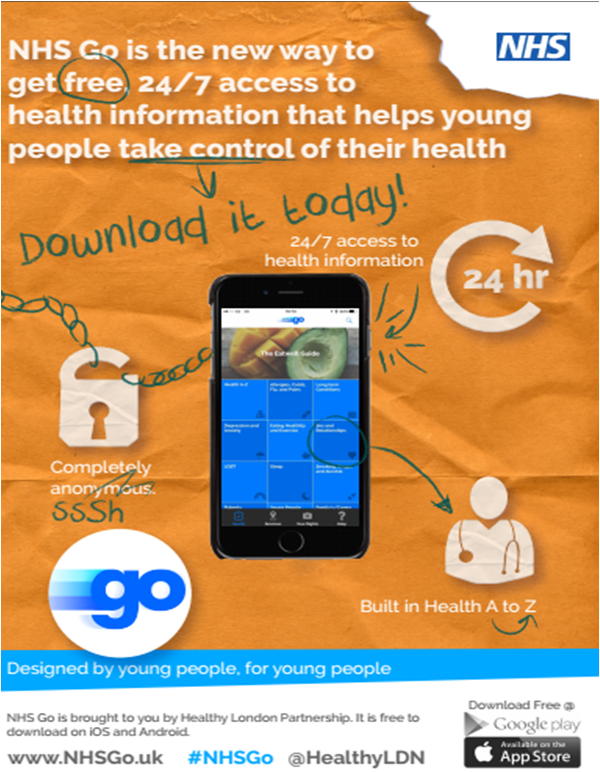
In July, the Healthy London Partnership launched NHS Go, a new website and mobile phone app aimed at young people. These new digital resources aim to:

  • Give young people greater control over their health;
  • Enable young people to make healthier choices;
  • Provide trusted advice and information on a range of health issues.

The app is aimed at 16-26 year olds after young people stated that they wanted better and easier access to health and wellbeing information.  In creating the app and website the NHS worked with young people at all stages of development. They have also recruited well-known YouTube vloggers to not only promote the app but raise awareness of a number of health issues.

One of the YouTube vloggers supporting this campaign is the very popular hair vlogger Laila whose YouTube channel, Fusion of Cultures, has over 179,000 subscribers. As well as creating a promotional video with other vloggers, Laila has also discussed mental health touching on anxiety, suicide and depression.

Black Health is Covered in NHS Go

NHS Go has a section on black health. This section starts with diabetes, explaining how young people can reduce their risk of developing diabetes. There is a also a personal story from diabetic Brian Hunte, a Trinidadian who lives in London  and was diagnosed with diabetes 24 years ago. He shares his story telling of how diabetes affects his daily life

“When I was diagnosed with diabetes, it was a surprise. I didn’t feel unwell, but I had been losing weight and I felt thirsty all the time. I was drinking lots of water and going to the loo more often. I had to get up twice in the night to urinate, which wasn’t normal for me.” – Brian Hunte, diabetic

Another black health issue that NHS Go covers is vitamin D. Black people are more likely to have a vitamin D deficiency because melanin blocks the sun’s UV rays and therefore reduces our skin’s ability to make vitamin D.  The NHS Go app gives young people advice on how to get enough vitamin D discussing diet and safe levels of sun exposure.

The app also touches on prostate cancer with a moving testimony from Darcus Howe, high blood pressure, stroke, skin-lightening, mental health and keloid scars.

 Useful App

The NHS Go is a useful resource for young people and if you’re a young person and have a general question about your health please do make use of the app. If you think you have a serious health issue or have symptoms  that you are concerned about please make an appointment to visit your GP.

You can download NHS Go from the Google Play Store or itunes

New Report, Cancer: Then and Now
CancerNews

New Report, Cancer: Then and Now

This week, Macmillan Cancer Support  published their report Cancer: Then and Now. This report looked at diagnosis, treatment and aftercare from 1970 to 2016.

The report revealed that people are twice as likely to survive at least 10 years after being diagnosed with cancer than they were if they were diagnosed at the start of the 1970s. It is thought that this improvement in survival is due to earlier diagnosis and better treatment. Whilst there is good news generally there are some cancers where survival rates are still very low and these include lung and pancreatic cancer.  Macmillan states that the survival rates for these two cancers have not changed over the past 30 to 40 years.

When it comes to treatment Macmillan’s report reveals that treatment has improved significantly since the 1970s. Treatments now have a greater precision and are thus more effective. Techniques that are used in surgery, radiotherapy and chemotherapy have been refined so that there are less side effects. In surgery, new techniques that use robotics have allowed previously inoperable tumours to become operable. Radiotherapy has become less crude and new methods can more accurately focus on the cancer.  There are more chemotherapy drugs now than ever before and there is a greater understanding of how to manage the side effects. Newer types of treatments have been developed since the 1970s these include biological therapies which use our body’s immune system to target cancer cells.

Whilst Macmillan’s report celebrates the advances in cancer survival they do highlight that the disease continues to be very devastating affecting a person long after their treatment comes to an end. Many people will experience long-term side effects such as chronic fatigue,  incontinence, disability and general poor health. Thus the need for an effective after-care plan.

When comparing after-care over the last 30 to 40 years, Macmillan’s report explains that in the 1970s and 80s support for patients wasn’t commonplace. Now there are several organisations that offer comprehensive cancer support programmes ensuring that patients are catered for and their needs are met.

Finally, Macmillan’s report looked at end of life care and how that has changed over the years. They state that in the 70s end of life care lacked planning and expertise, but this area has now become a “highly developed field of practice that increasingly puts the patient’s needs and compassion at its heart”

This report was very interesting highlighting the progress that has been made in the treatment, diagnosis and support provided to patients.

The Lake Foundation has been playing its little part through its cancer support group.  For more information about our support group please email us

You can download Macmillan’s report below.

Getting Every Adult Active Every Day
NewsPhysical Activity

Getting Every Adult Active Every Day

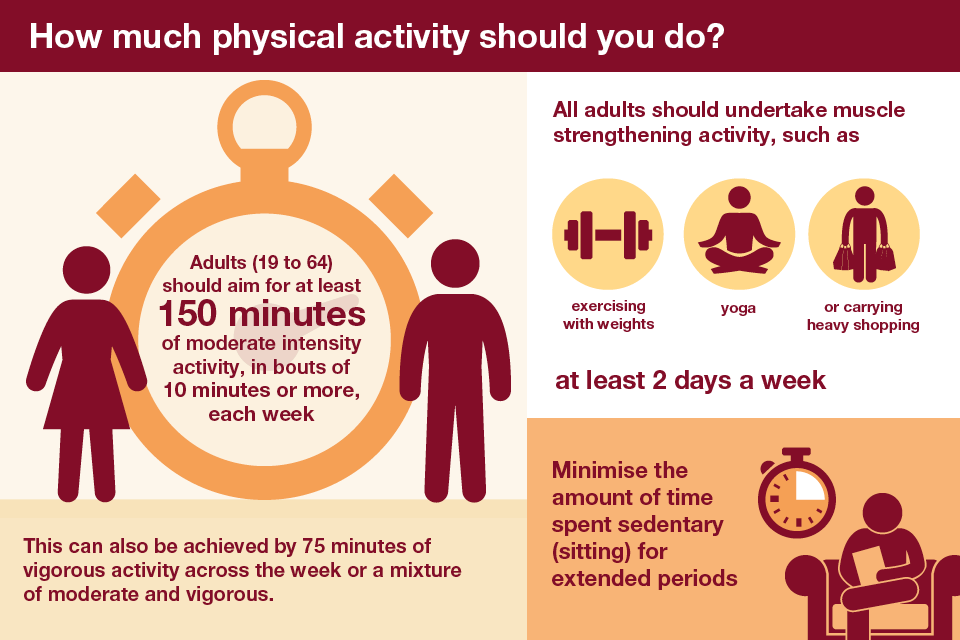
Yesterday, Public Health England published its guidance on how to get adults more active. In their report they state the benefit of physical activity –  it improves the physical and mental wellbeing of individuals. Then they explain how much activity adults should take part in. They recommend that adults should aim for at least 150 minutes of moderate-intensity physical activity each week, in bouts of 10 minutes or more.

They describe moderate-intensity activities as anything that causes you to get warmer and breathe harder and gets your heart rate up,  such as cycling or a brisk walk.

It is also recommended that adults aim to be active daily. Additionally, adults should include a muscle-strengthening activity on at least two days of the week to prevent loss of muscle mass.

6.2368_PHE_CP_Health_Matters_-_physical_activity_in_adults_online_960x640__5

Finally, their guidance stresses the importance of minimising the amount of time spent sitting for extended periods of time. This increases the risk of a number of health conditions.

They suggest the following to reduce the amount of time sitting:

  • Reducing the time spent watching TV, using a computer or playing video games
  • Reducing the amount of time sitting during work
  • Walking part of the way on a long bus or car journey

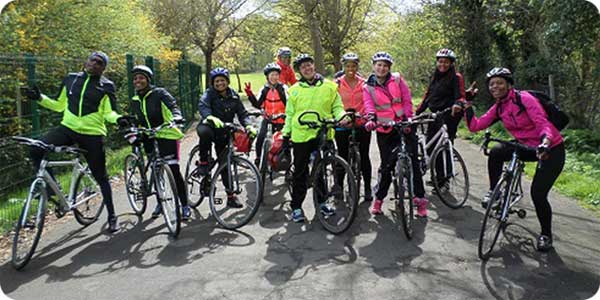
Research has shown that many of the UK’s minority ethnic groups have lower rates of physical activity participation and do not achieve the recommended levels of physical activity. Therefore it’s very important that the black community takes notice and becomes more active. The Lake Foundation through its cycling club is aiming to get our community more active. Please do join us for a fun way to get some exercise. For more information email events@thelakefoundation.com

Lung Cancer and Breathlessness Awareness Campaign Launched in the UK
CancerNews

Lung Cancer and Breathlessness Awareness Campaign Launched in the UK

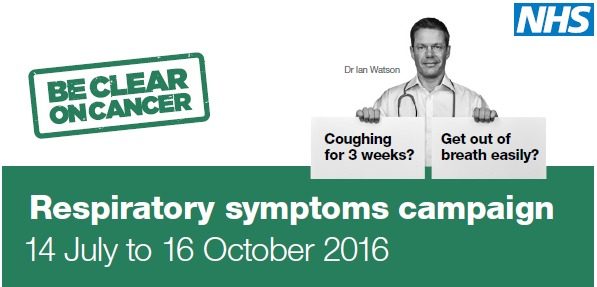
On 14th July 2016, Public Health England launched a fourteen week campaign to raise awareness of  the symptoms of lung cancer, lung disease and heart disease.  The campaign will focus on the symptoms of persistent cough and inappropriate breathlessness stressing that a sign of lung cancer or other lung disease could be a cough lasting more than three weeks and/or getting out of breath while doing everyday tasks such as vacuuming.

Additionally, it’s important to note that breathlessness could be a sign of heart disease.

If you, or anyone that you know, are experiencing these conditions please visit your GP and finding these conditions early makes them easier to treat.

Professor Kevin Fenton, PHE National Director for Health and Wellbeing said:

“The estimated number of people with undiagnosed lung cancer, lung disease or heart disease, is deeply concerning. If diagnosed early, these diseases can be managed and treated successfully. This campaign will help people recognise the symptoms and encourage them to seek help, potentially saving lives from what are 3 of the biggest causes of death in England.”

For more information about this campaign, lung cancer and lung disease please click here

The 10 Minute Shake UP Gets Kids Active
NewsPhysical Activity

The 10 Minute Shake UP Gets Kids Active

The UK’s Change For Life programme has once again teamed up with Disney for the 10 Minute Shake Up campaign. This campaign aims to get children active over the summer by encouraging them to do 10 minute bursts of moderate to vigorous activity throughout the day every day, so they meet the recommended 60 minutes of physical activity that children need.

The 10 Minute Shake Up was launched in July 2014 and is back this year. The campaign is inspired by Disney Pixar’s Finding Dory and it uses Disney characters like to get kids involved in a range of fun activities such as swimming,  dancing and ball games.

To find out more visit their website here and for resources to get you started click here

A Plant-Based Diet Reduces Risk of Type 2 Diabetes
DiabetesDietNews

A Plant-Based Diet Reduces Risk of Type 2 Diabetes

A study published yesterday by the Harvard T. H. Chan School of Public Health has found that a plant-based diet significantly reduces a person’s risk of developing type 2 diabetes, especially if that diet is rich in quality plant foods such as whole grains, fruits, vegetables, nuts and legumes.

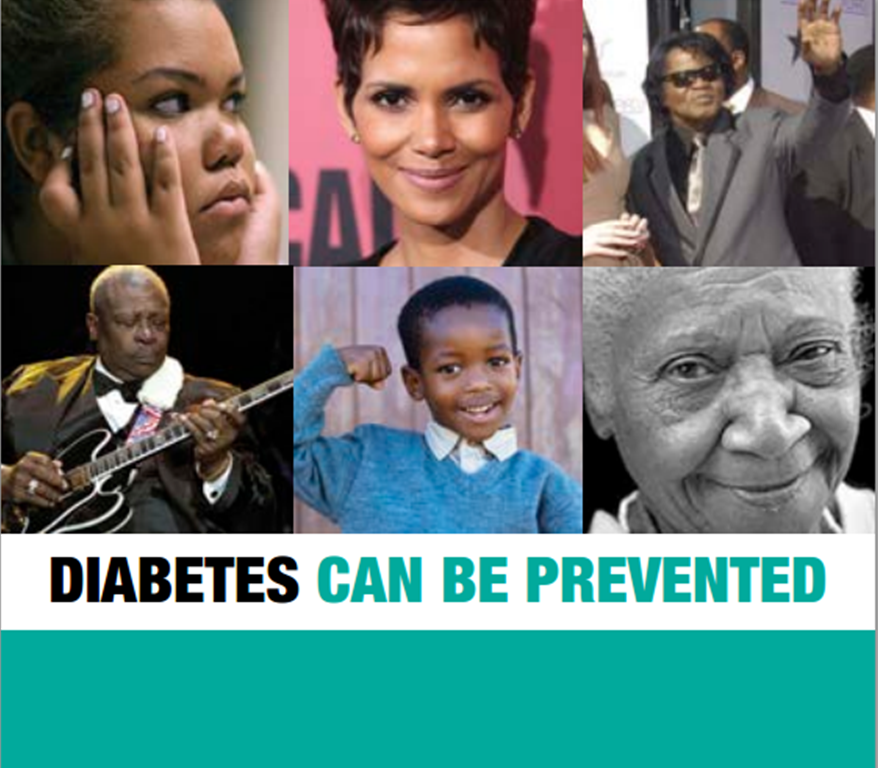
The study found that just moderate changes in a person’s diet can lead to significant reduction in risk. They found that  people who maintained a plant-based diet that was low in animal foods were 20% less likely to develop type 2 diabetes and those that consumed a healthy version of a plant-based diet were 34% less likely to develop type 2 diabetes.

This study is very important to the black community as our community is at a higher risk of developing type 2 diabetes. The Lake Foundation encourages everyone to turn towards a more plant-based die to reduce their risk of this condition.

Public Health England Issues Travel and Health Advice for Rio
News

Public Health England Issues Travel and Health Advice for Rio

If you’re planning on travelling to Rio for the Olympics you may be worried about the Zika virus. Yesterday, Public Health England issued travel and health advice for all those wishing to travel to Brazil for the Olympics. They have recommended that pregnant women postpone non-essential travel until after pregnancy as being infected with the Zika virus whilst pregnant can lead to babies developing microcephaly.

For more information please visit PHE’s website here

Our Fibroids Event on 30th July
FibroidsNewsWomen's Health

Our Fibroids Event on 30th July

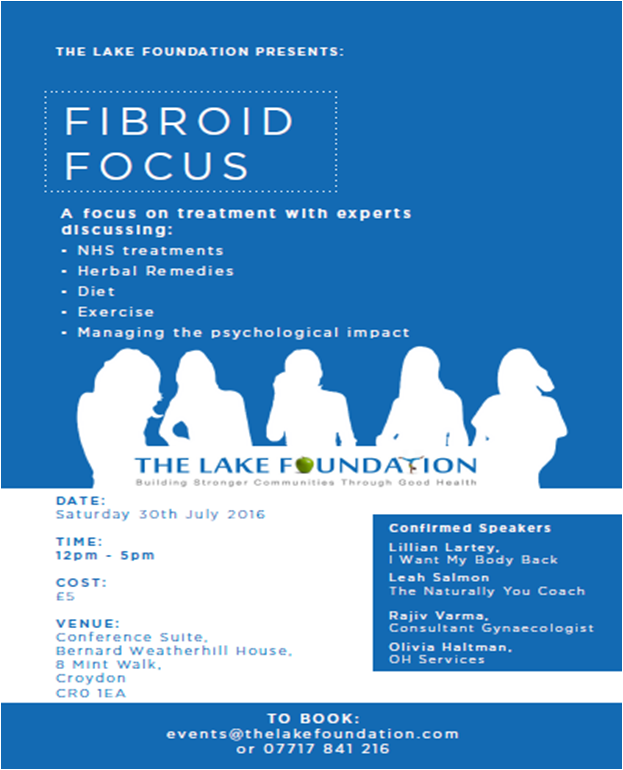
The Lake Foundation is delighted to invite you to attend its event ‘Fibroid Focus’ where we will be focusing on the treatment of fibroids. At this event, you will hear from experts in the field discussing all treatment options including natural ways of managing the symptoms of fibroids.

Speaking at this event will be Mr Rajiv Varma, a consultant gynaecologist, who will provide an overview of the treatment options available on the NHS, their pros and cons and what steps to take to ensure you’re getting the best treatment possible. You will also hear from Leah Salmon, The Naturally You Coach, who will outline the impact of diet on fibroids and how a healthy diet can reduce your risk and help in the treatment and prevention of fibroids. Lillian Lartey will discuss the power of exercise in preventing and managing the symptoms of fibroids, Olivia Haltman will look at a sometimes forgotten area for fibroids patients, how to manage the psychological impact and Patricia Ferguson will discuss the use of herbal remedies in treating the symptoms of fibroids.

Additionally, we’ll have some great organisations exhibiting on the day so you can find out more about women’s health in general.

Join us on 30th July 2016 for an informative, empowering session. Book early to avoid disappointment, spaces are limited.

Doors open at 12pm and you can visit the information tables; the presentations start at 1pm.

For more information and to book your place, please click here