Building a Safe Space at Home: Launching an Animation to Support Young People’s Mental Health
March 16, 2026
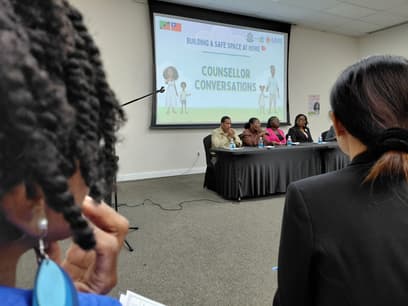
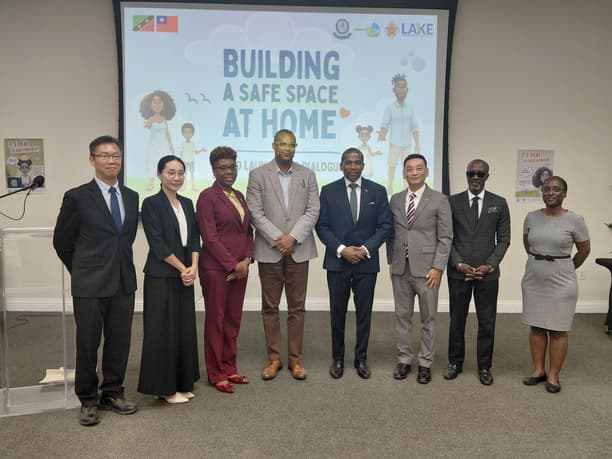
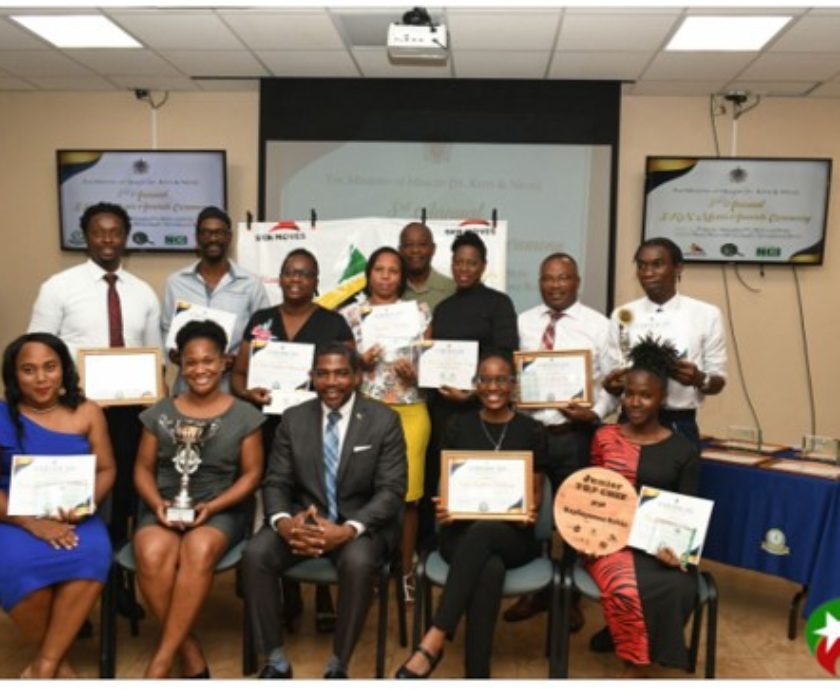
Lake Health and Wellbeing was delighted to co-organise the “Building a Safe Space at Home” Animation Launch and Mental Health Dialogue with the TaiwanICDF, in collaboration with the National Counselling Centre and the Ministry of Health,
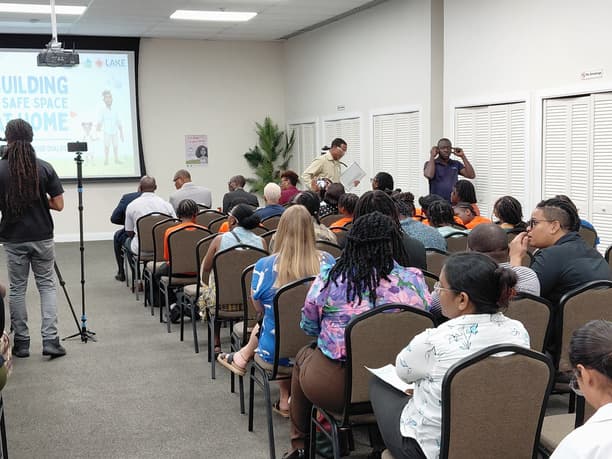
The event brought together government leaders, mental health professionals, youth advocates, educators, and students to explore an important question: how can we improve the mental health of young people by starting with the home environment?
The dialogue emphasised that when young people feel safe, heard, supported, and valued at home, they are better able to cope with life’s challenges and thrive both personally and academically.
Why Young People’s Mental Health Matters
Supporting the mental health of young people has never been more important. Today’s young people are growing up in a rapidly changing world and face a range of pressures and uncertainties.
Many are still feeling the lingering effects of the pandemic, while also navigating social pressures, academic expectations, online environments, and global events that can feel overwhelming. These challenges can have a significant impact on their wellbeing.
Mental health is also closely connected to many other issues that affect individuals, families, and communities. Poor mental health can influence behaviour, academic performance, physical health, and relationships. It can also be linked to broader social challenges such as crime and violence.
By investing in the mental health of young people, we are not only supporting their wellbeing today but also helping to build healthier, safer, and more resilient communities for the future.
The Importance of the Home Environment
While schools, communities, and health systems all play important roles in supporting young people, the home environment is often where mental wellbeing begins.
The home should ideally be a place where young people feel comfortable expressing their thoughts and emotions without fear of judgment. When parents and guardians create environments where young people feel listened to, understood, and respected, it helps to build trust, confidence, and emotional resilience.
At the same time, parenting can be challenging. Many parents are managing work, financial pressures, and their own personal stresses. It is therefore important to acknowledge that parents are not expected to be perfect. Even small actions such as listening attentively, spending quality time together, or encouraging open conversations can make a meaningful difference.
Creating a safe space at home also means recognising that parents and guardians need support too. Taking care of their own mental health enables them to better support the young people in their lives.
Launching the “Building a Safe Space at Home” Animation
A highlight of the event was the launch of a new animation titled “Building a Safe Space at Home.”
Developed by Lake Health and Wellbeing’s Creative Director, in collaboration with the TaiwanICDF, the animation aims to raise awareness of the challenges that young people may face and provides practical insights into how families can nurture supportive and understanding home environments.
Through relatable scenarios and simple messages, the animation encourages parents and guardians to reflect on how they communicate with young people and how they can foster spaces where young people feel comfortable sharing their concerns and experiences.
A Meaningful Dialogue
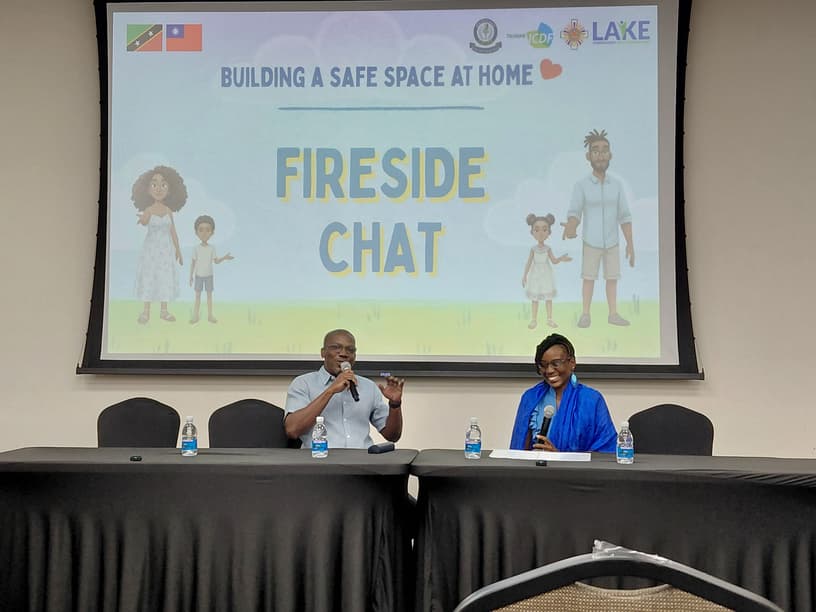
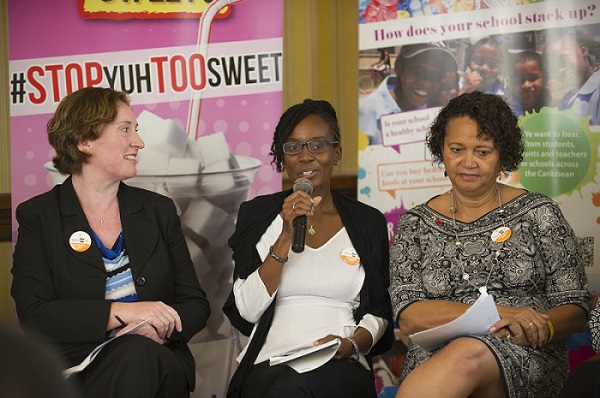
The event featured a range of speakers and panellists who shared their expertise and perspectives on youth mental health.
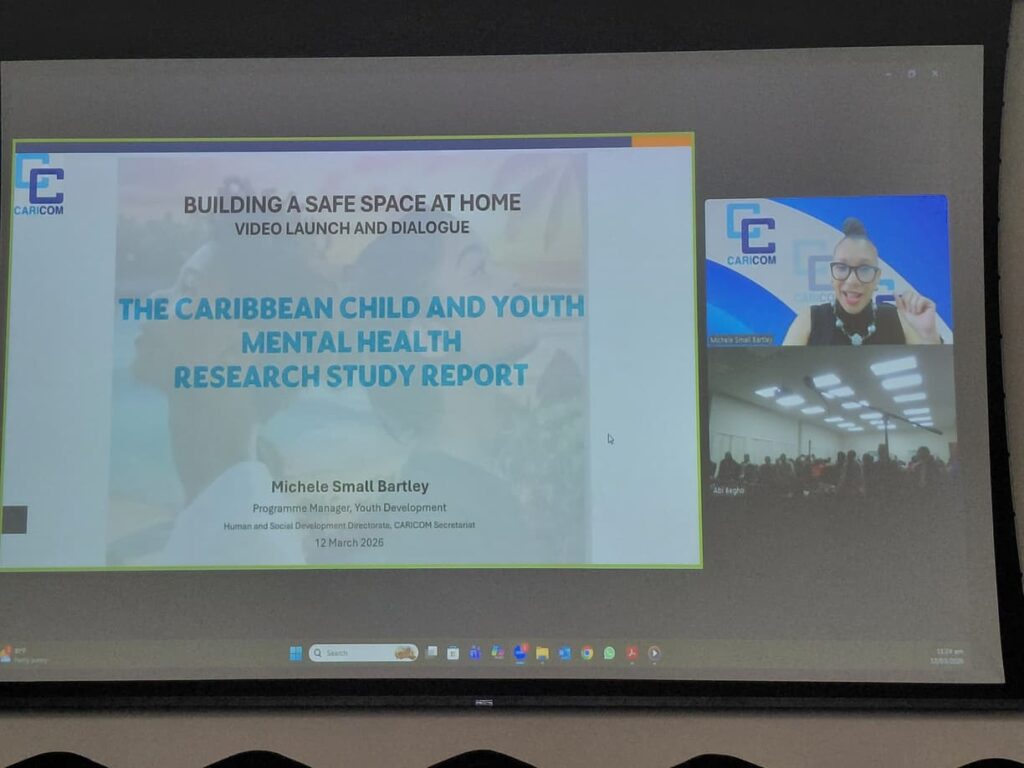
We were honoured to hear remarks from:
Hon. Dr. Terrance Drew, Prime Minister and Minister of Health
Hon. Dr. Geoffrey Hanley, Deputy Prime Minister and Minister of Education
Edward Ling-Wen Tao, Ambassador of the Republic of China (Taiwan)
Ivy Shih, Project Manager, TaiwanICDF
Michele Small-Bartley, Programme Manager for Youth Development, CARICOM
We were also grateful for the insights shared by counsellors and mental health professionals, including:
McMillan Cuffy, Mental Health Counsellor and Supervisor, Nevis Behavioural Health & Wellness Centre
Sasha McDermott, Guidance Counsellor and Coordinator, Ministry of Education
Akosua Gyimah, Clinical Counsellor, National Counselling Centre
Dr. Cherrilyn Ward Crawford, President, Mental Health Association
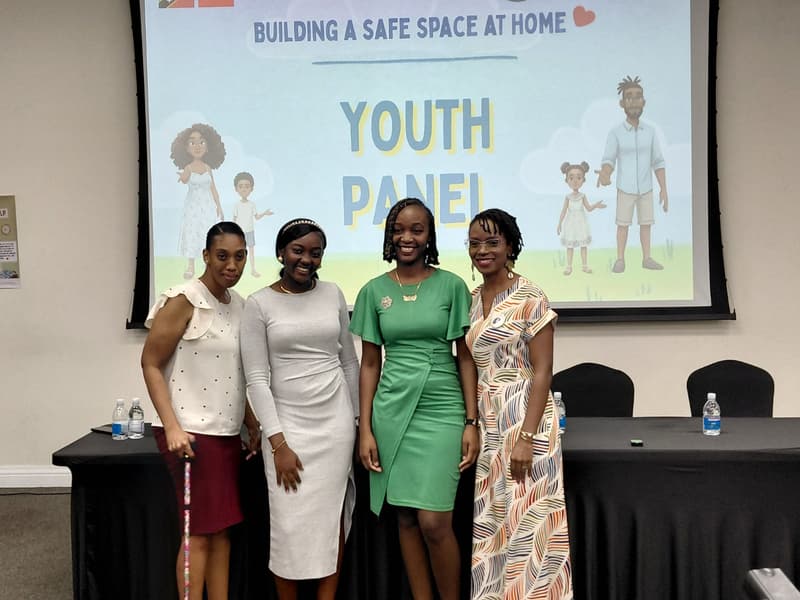
One of the most powerful aspects of the event was hearing directly from young people themselves. Their experiences and perspectives are essential in shaping meaningful solutions.
We were especially grateful to our youth speakers:
Ajerneé Hodge, UNICEF Youth Ambassador
Crannie Cranston, Executive Member of the St. Kitts Nevis Association of Persons with Disabilities and Youth Health Advocate with Lake Health and Wellbeing
Toniecia Wyatt, Community Nursing Assistant at the Ministry of Health and Youth Health Advocate with Lake Health and Wellbeing
Their contributions helped highlight the real experiences of young people and reinforced why it is so important to include youth voices in conversations about mental health.
We were also grateful to the government representatives who shared reflections and commitments moving forward:
Curtis Martin, Permanent Secretary, Ministry of Health
Janelle Lewis, Permanent Secretary, Ministry of Youth Empowerment, Ageing and Disabilities
Tricia Esdaille, Senior Assistant Secretary, Ministry of Education
We would also like to thank Rodney Browne, Chair of the Advancement of Children Foundation, for his valuable insights, as well as our moderators Lori-Ann Peart-Phillip, Michele Blake, and Abi Begho for guiding thoughtful and engaging discussions.
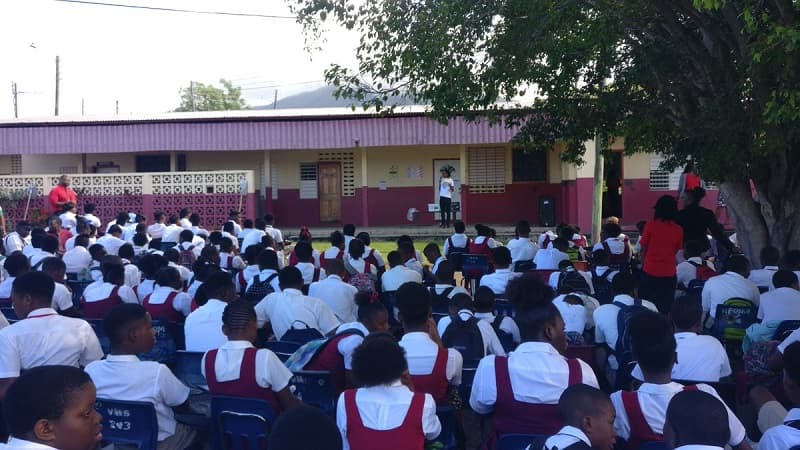
Finally, we extend our sincere thanks to the students, teachers, and staff of Washington Archibald High School, Basseterre High School, and ICCS for attending and sharing their views. Your participation helped make this event an engaging and meaningful conversation about how we can better support young people.
Final Thought
Improving youth mental health is a responsibility that belongs to all of us: families, schools, communities, and governments. By working together to create supportive environments, starting in our homes, we can help young people feel empowered, resilient, and hopeful about their future
You Can Support This Work
If you found this overview of our work and impact helpful, please consider supporting our small NGO so we can continue delivering health education, advocacy initiatives and community projects. Your donation, no matter the size, helps us make a lasting impact. Thank you so much!