

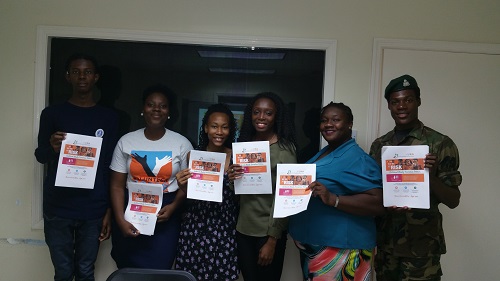
This article was written by one of our practicum students, Alyn Wakefield from St George’s University, as part of her practicum project. Through her work, Alyn explored the relationship between sugar-sweetened beverages, non-communicable diseases, and national development priorities in St. Kitts and Nevis, highlighting how policy action can support both public health and sustainability goals.
Enjoying a sweet drink is a part of everyday life in St. Kitts and Nevis. Starting the day with a glass of fruit juice or a cold Ting with lunch provides a much-needed pick-me-up. These drinks are affordable and refreshing, but if enjoying a soda every day is part of your routine, the sugar adds up. Drinking a single bottle of Ting amounts to 74% of an adult’s recommended amount of sugar. If you drink a sweet drink with every meal, you can see how the sugar adds up.
Increased sugar intake is associated with weight gain and an increased risk of non-communicable diseases (NCDs) like hypertension, diabetes, and heart disease. These NCDs have been on the rise in St. Kitts and Nevis (SKN) and the region due, in part, to poor diets characterised by increased sugar, salt, and saturated fat intake. One measure to combat these rising numbers can be implemented through taxing sweetened beverages, a major contributor of sugar in the public’s diet.
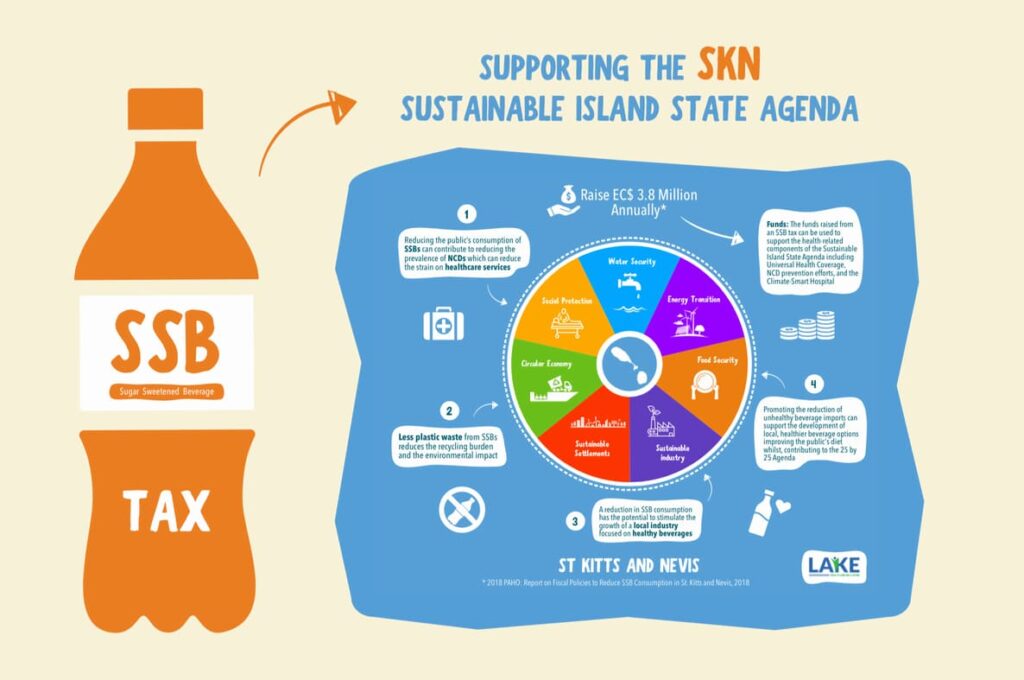
The Ministry of Health recognises the rise in NCDs and has developed a draft sugar-sweetened beverage (SSB) taxation policy. This tax would increase the prices of SSBs, such as soda, energy drinks, and fruit drinks, deterring purchase of these products and thus reducing the public’s consumption of SSBs. The funds generated by this proposed tax could be allocated to public projects that improve the quality of life in SKN. SSB taxation advances two key national priorities: better health outcomes and the retention of revenue within St. Kitts and Nevis.
SSB Taxation and the Sustainable Island State Agenda
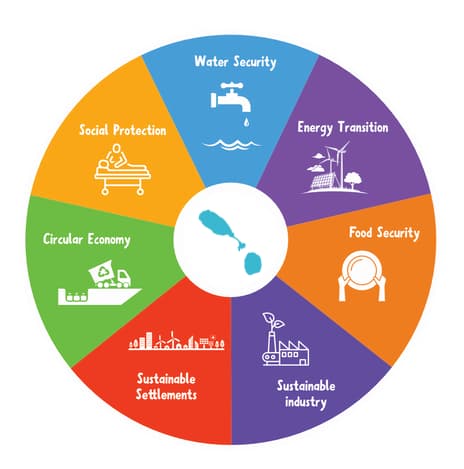
St. Kitts and Nevis is striving to be more sustainable and healthier, and the framework has been laid with the passage of the Sustainable Island State Agenda (SISA). The SISA comprises seven pillars, each representing an area to turn SKN into a self-sustaining country. The first three pillars focus on water security, renewable energy, and food security. The fourth, fifth, and sixth pillars focus on sustainable industry, settlements, and a circular economy. Lastly, the seventh pillar focuses on social protection and health.
These pillars help guide the government towards allocating funding to projects aligned with SISA. With these pillars in place, the goal is to ensure St. Kitts and Nevis withstands the toughest challenges, whether a hurricane or an economic downturn. St. Kitts and Nevis may be ready for the future, but that future depends on the health of its people. NCDs have continued to rise in St. Kitts and Nevis, and diet is a contributing factor. This rise is not insignificant; St. Kitts and Nevis is now among the top five Caribbean countries with the highest NCD mortality rates (2). Action needs to be taken now to protect the people of SKN from these diseases.
Water Security and Revenue Generation
SSB taxation can advance several SISA pillars, including the first pillar of Water Security, the third pillar of Food Security, and, mainly, the seventh pillar of Social Protection and Health by linking healthier consumption patterns with locally reinvested revenue.
SISA projects have already been completed, including the first Water Security pillar, aimed at providing 24/7 access to potable water, which was achieved through the construction of the desalination plant. This was a large project that required millions of dollars in construction funding from other countries (1).
SSB taxation can provide an opportunity to generate revenue that can stay within SKN and contribute to funding projects like the desalination plant. Generating money that stays within SKN can reduce reliance on foreign loans or aid, ensuring funds go directly to projects that benefit the people. With the revenue generated, governmental transparency is vital. Transparent use of funds for infrastructure improvement demonstrates that the government is genuinely committed to enhancing the country’s health and economy and standing by the pillars of SISA.
Food Security and Reducing Imports
The third pillar of the SISA, Food Security, was designed to improve food security in St. Kitts and Nevis by reducing imports and strengthening the island’s farming and fishing industries. SSB tax-generated revenue can advance this pillar.
In 2023, St. Kitts and Nevis spent $72.6 million XCD on food imports, with soft drinks and other beverages accounting for a significant percentage of that cost (3). SSB tax-generated revenue could help strengthen farming practices, support livestock breeding, and expand local food production. With reduced spending on food imports, SKN can continue allocating funding to enhance the farming industry and move closer towards self-sufficiency.
Social Protection, Health, and Universal Healthcare
The funds generated by SSB taxation can also be allocated to projects that address the rising costs and burdens of NCDs, which align with the seventh pillar of SISA, Social Protection and Health. This pillar aims to improve the well-being of SKN residents by enhancing social services, providing unemployment support, and expanding universal health care.
The World Health Organization reports that about 58% of healthcare costs are covered by the government; however, most families still pay for healthcare. About 95% of private health spending is out of pocket, so people may delay care because of the cost of tests and treatments (4). As NCDs are rising, healthcare needs to be accessible and affordable to help those who are suffering from these health issues. Increasing revenue from SSB taxation can contribute to funding universal healthcare, ensuring care is accessible to everyone. A move towards universal healthcare would expand access and reduce the financial burden on citizens.
A Decision for the Future
St. Kitts and Nevis has already demonstrated its commitment to the Sustainable Island State Agenda through significant investments in infrastructure, energy, and health. The next step is to strengthen population health, because without action, NCDs will continue to rise.
An SSB tax alone cannot fix every problem, but it is a concrete policy that promotes healthier diets and funds projects that make SKN more sustainable. This policy, along with the collection of healthy food policies (e.g. a school nutrition policy, salt reduction targets, front-of-package warning labels, and trans fat elimination) recommended by global and regional health agencies, including WHO/PAHO, the Caribbean Public Health Agency, and the Healthy Caribbean Coalition, will ensure St. Kitts and Nevis can create a healthy food environment that makes healthy foods more accessible.
A decision needs to be made. We cannot keep watching diseases like obesity and diabetes affect our friends and family, or we can support SSB taxation and other healthy food policies to move closer to the sustainable, resilient island state envisioned in SISA.