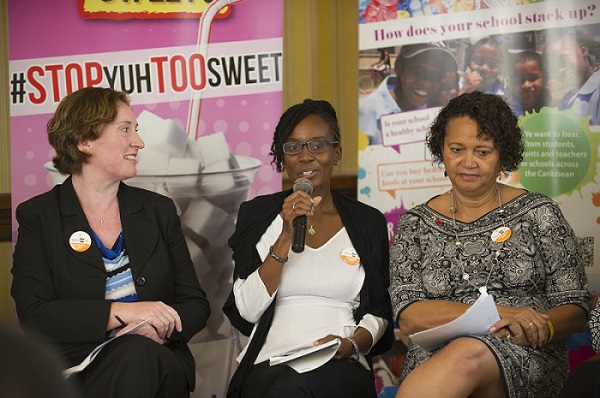
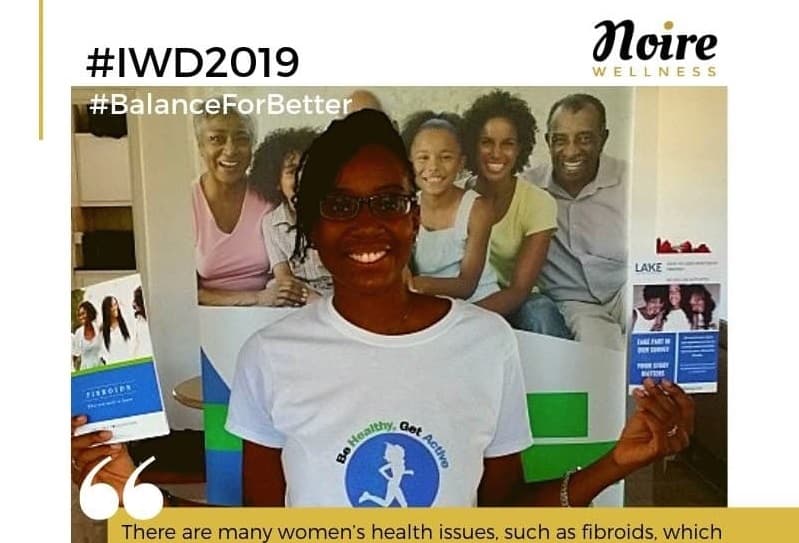
As part of the Global Week for Action on NCDs, we are amplifying the voices of people in St. Kitts and Nevis who live with non-communicable diseases to shed light on the daily realities, challenges, and resilience behind the statistics.
In this story, one woman shares her journey to finally being diagnosed with Thalassemia after years of uncertainty, hospital visits, and declining health. Her experience highlights an important message for us all: listen to your body, take early warning signs seriously, and prioritise self-care and supportive relationships. By sharing these stories, we hope to inspire greater awareness, understanding, and action to improve the lives of people affected by NCDs in our community.
I never thought a little numbness in my toes would change my life forever. At first, it was subtle—a tingle in my fingers, a heaviness in my legs. Easy enough to shake off and ignore. Soon, the dizziness and heart palpitations came. Even something as simple as taking a shower left me exhausted.
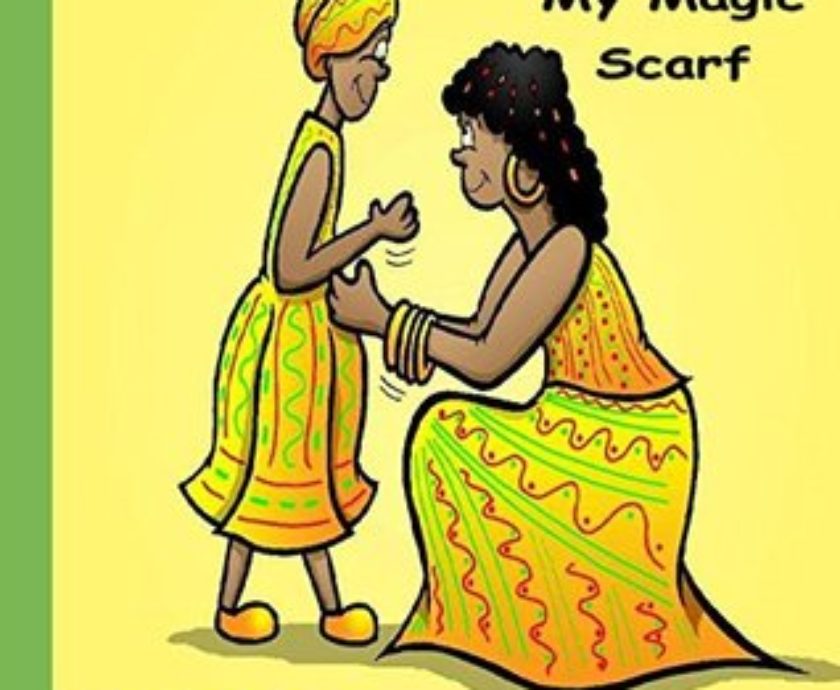
When I looked in the mirror, I saw the signs staring back at me: dark circles under my eyes, my hair thinning at the front. I hid it with scarves and wigs. I told myself it was just life—I was a caretaker, a mother, an employee. Tiredness was normal. Ageing was normal.
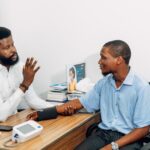
I often heard the saying, “Warnings come in three ways: first like a feather, then like a brick, and lastly like a truck.” I ignored the feather and the brick. The truck hit in 2017, when another health scare landed me in the hospital. My haemoglobin was down to 4, when normal is 14. My doctor told me plainly: I was at risk of a heart attack. I needed blood transfusions to survive.
For over two years, I was in and out of doctors’ offices, missing work, being tested, poked, prodded and prescribed medications — but still with no answers. I remember crying on many occasions because no one could tell me what was wrong, and I felt like my body was failing, and no one knew why.
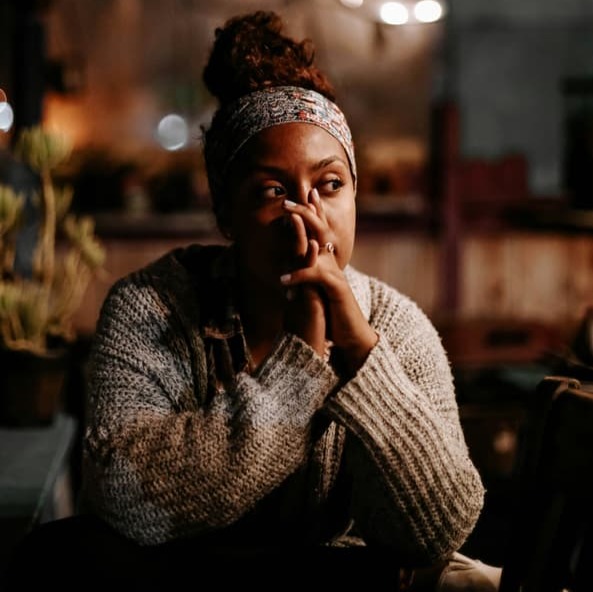
Finally, one haematologist from Cameroon suggested a genetic blood test. That’s when the mystery ended. The answer was Thalassemia, a rare chronic blood condition. My body wasn’t producing enough red blood cells, and the ones it did make were three sizes too small. That’s why I had been so weak, so breathless, so close to collapse.
With a diagnosis came a path forward. I began treatment. I learned what lifestyle changes mattered most. I shifted my diet to include more fruits, nuts, and foods that fuel my energy. I embraced self-care: teaching yoga, walking weekly, and swimming in the sea. I allowed myself grace on hard days, but I also committed to daily habits that kept those days fewer. Most importantly, I began to value relationships that added to my life, not drained it.
Living with a chronic condition forced me to re-evaluate how I treated my body. It taught me to listen when she whispers, not only when she screams. It taught me discipline, patience, and resilience.
This is my story for the Global Week for Action on NCDs. My hope is that by sharing it, others in St. Kitts and Nevis will listen to their own bodies, seek answers, and know they are not alone