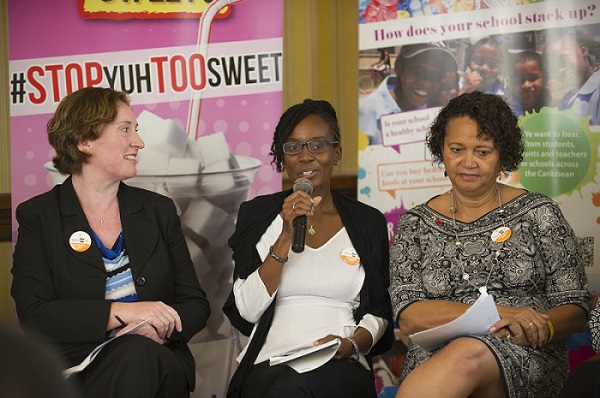
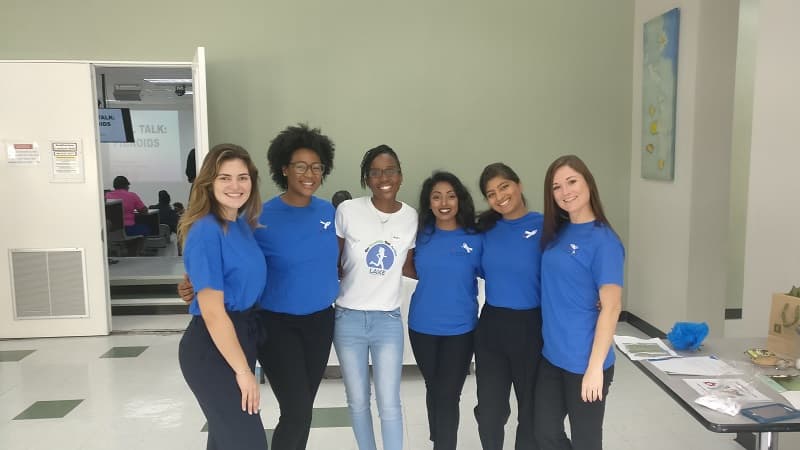
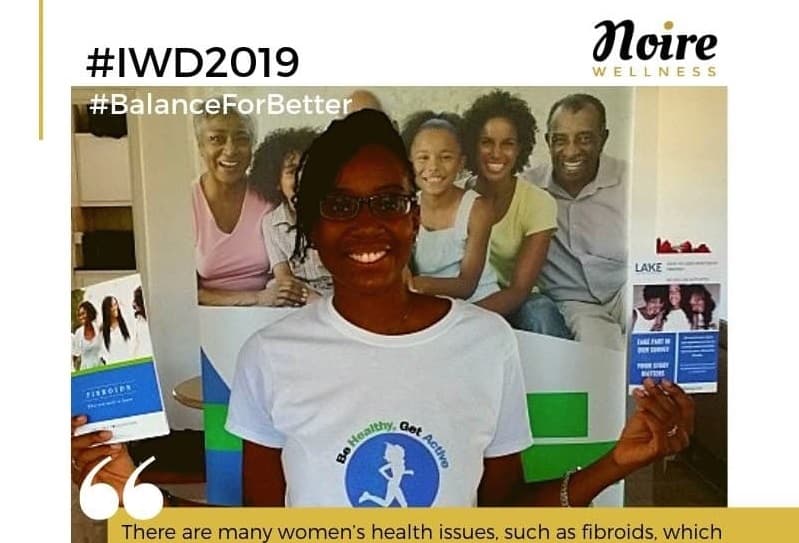
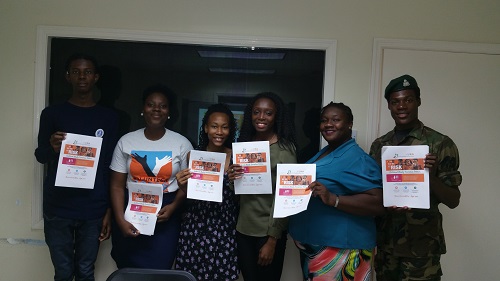
As part of Lake Health and Wellbeing’s ongoing commitment to strengthening community-led NCD prevention in the Caribbean, we hosted a 1.5-hour webinar titled “An Introduction to NCDs and NCD Policies for Non-Medical Advocates.” Co-moderated by Dr. Samuel Greenberg and Dr. Magdalena Jankowski, MPH candidates at St. George’s University (SGU), the session emphasized the importance of collaboration between community organisations and academic institutions to drive meaningful and sustainable health impact.
Webinar Focus
The webinar provided a clear, accessible overview of non-communicable diseases (NCDs) and their growing impact across the Caribbean. Discussions centered on:
- What NCDs are and how they differ from infectious diseases.
- Why NCDs represent one of the most pressing public health challenges in the region.
- The critical role non-medical advocates play in prevention, education, and policy change.
- Practical steps individuals and communities can take to promote healthier lifestyles and reduce NCD risk.
Featured Speakers
We were pleased to welcome a diverse panel of speakers representing public health, oral health, and community advocacy:
- Dr. Kerry Mitchell, Assistant Dean of Student Affairs and Chair of Public Health and Preventive Medicine at St. George’s University, delivered an overview of the NCD burden, highlighting why these conditions disproportionately affect low- and middle-income countries and why prevention is essential.
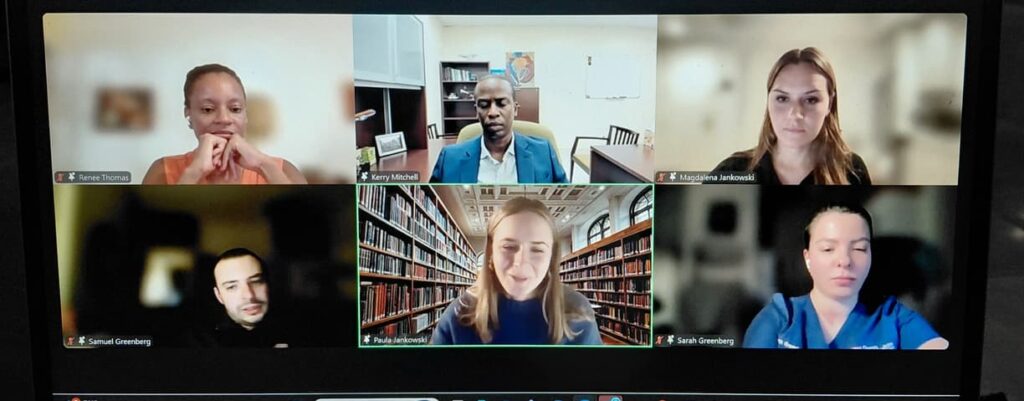
- Ms. Paula Jankowski and Ms. Sarah Greenberg, dental school candidates at the University of Pennsylvania, explored the connection between oral health and NCDs such as diabetes and cardiovascular disease. They shared practical, everyday strategies and community-level interventions to improve oral and overall health.
- Ms. Renee Thomas, MPH, an instructor and public health advocate at St. George’s University, focused on empowering communities to translate lived experience into effective advocacy and policy action aimed at reducing NCDs.
The webinar generated thoughtful discussion and practical insights into how education, advocacy, and policy can work together to address the NCD burden. We remain committed to supporting non-medical advocates and communities across the Caribbean as they work toward healthier, more resilient futures.
For those who were unable to attend or would like to revisit the discussion, you can access our webinar resources below: