


For the Global Week for Action on NCDs, we are highlighting the voices of people right here in St. Kitts and Nevis. These are your neighbours, family, and friends—ordinary people facing extraordinary challenges as they live with non-communicable diseases (NCDs).
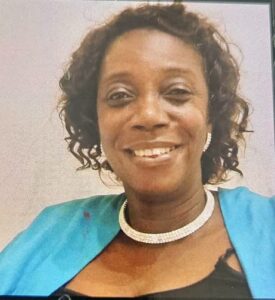
One such voice is Adella, age 64. For nearly two decades, she has been living with hypertension and, more recently, kidney disease. She spoke candidly with us about her journey—her symptoms, diagnosis, treatment, and the ways NCDs have affected her lifestyle, finances, and mental health.
Tell me what happened when you were diagnosed with hypertension and kidney disease.
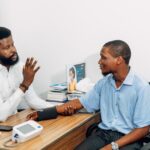
I was diagnosed with hypertension in 2006 after experiencing severe headaches. Then, in 2020, I noticed my legs swelling, along with ulcers and blotches around my ankles. I knew something wasn’t right. When I went to the doctor, they immediately referred me to JNF. My blood pressure was dangerously high and continued to climb. After being seen by a kidney specialist, a nephrologist, I was told I had kidney failure and would need to be on dialysis.
How did that diagnosis affect you emotionally and mentally?
At first, I was hurt, shocked, and fearful. I wondered how my life was going to change and if it was something I had done. Over time, I’ve learned to work through it as best as I can. I have a great support system—my wonderful family, my church community, and the Island Council for Mothers Union. With their help, I am able to manage.
What kind of treatment are you currently receiving?
I travel from Nevis to JNF twice a week for dialysis. Each treatment takes about four and a half hours. I also take medication.
What lifestyle changes have you had to make to manage your condition?
I’ve had to reduce my activities. After dialysis, I don’t always know how I’ll feel, so I usually avoid making big plans on treatment days. I exercise with low-pressure activities and try to be open about how I’m feeling. I’ve also changed my diet. Foods high in potassium—like some fruits—are limited, and I must carefully watch my salt and liquid intake. Even foods like porridge, soup, and juice add to my fluid levels, so I have to be mindful
How has this diagnosis affected you financially, including the cost of treatment and travel?
Dialysis treatment costs about $800 per session, which is quite expensive. At first, it was very difficult. Now that I’m retired, I rely on my insurance benefits, which cover 80% of the cost. I’ve also received donations, and the Renal Society Support Network has been instrumental in fundraising to help cover treatment. On top of that, traveling from Nevis to St. Kitts twice a week for dialysis adds another financial burden—ferry costs and transportation to JNF all add up. I am thankful that the Nevis Island Administration has assisted with treatment cost and ferry cost as well
What advice would you give to someone newly diagnosed with hypertension and kidney failure?
I would tell them to get assistance and support. We cannot hide or dismiss a diagnosis—we must accept, recognize, and acknowledge that it’s real. With the right help, you can manage.”
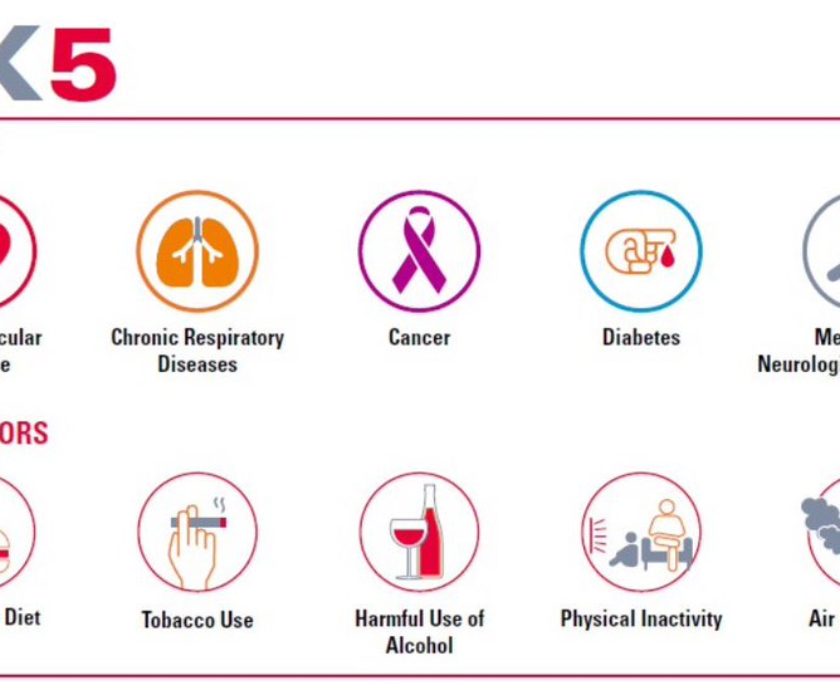
We thank Adella for sharing her story with such honesty and courage. Her journey is a reminder that NCDs affect far more than physical health—they touch every part of life, from family routines to finances. By listening to voices like hers, we can better understand the realities of living with NCDs and strengthen our commitment to prevention, care, and support in St. Kitts and Nevis.