
We carry out research that aims to understand the health needs of our community. We use qualitative research to explore specific health and well-being issues utilising focus groups, one-to-one interviews and surveys.
Understanding the Experience of Women in St Kitts and Nevis Living With Fibroids
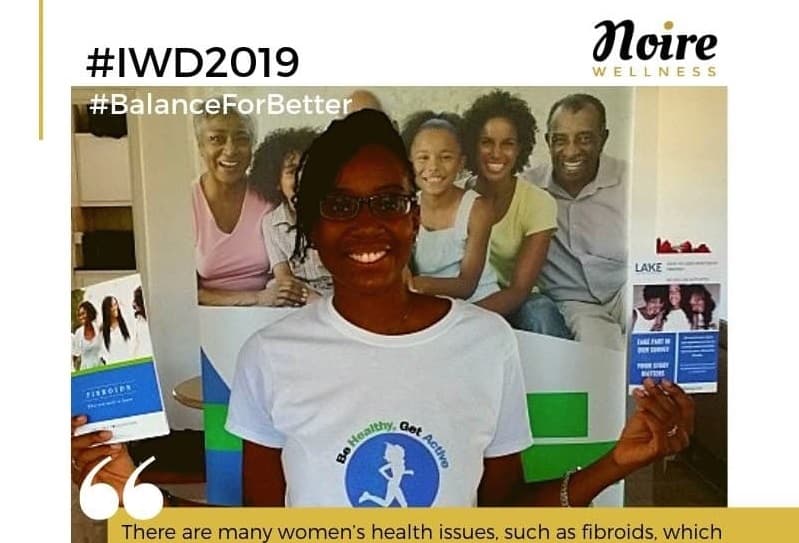
This research project aimed to understand women’s experience of living with fibroids. The reason for trying to understand this experience is because it has become clear that fibroids are a common health issue affecting women in St Kitts and Nevis. It is therefore important to explore if fibroids are affecting the quality of life of women in the Federation and understand what challenges women may be facing so we can provide effective and appropriate support, advocate on behalf of women, and ensure that women receive the best medical care possible.
This project informed the development of our fibroids information, awareness and support project.
You can read the report here
This work was also published in a research journal here: A significant burden: A qualitative exploration of the experience of women living with fibroids in St. Kitts and Nevis – Abi Begho, Fanta Waterman, 2023.
COVID-19, NCDs and Gender
Our COVID-19 and NCDs project was a 12-month project which ran from the 1st Feb 2021 to 31st Jan 2022 and was funded by the Commonwealth Foundation. This project aimed to explore the impact of the pandemic on people living with NCDs in St Kitts and Nevis using a gender lens. As part of this work, we adopted an intersectional approach that aimed to bring some nuance to this research and explore how the dual identities of NCD patient and gender may influence how a person might have experienced both the pre-pandemic and pandemic eras. We also wanted to determine if the pandemic may have exacerbated the challenges that people with NCDs encountered before the pandemic and if the pandemic created or exacerbated any gender inequalities amongst people living with NCDs.
To explore this, we interviewed people living with NCDs and policymakers and based on these interviews we prepared three items: a research report, an NCD and Gender Impact Assessment of COVID-19 Policies and a digital framework entitled: Embedding people living with NCDs into the Disaster Management Process – A Framework for Policymakers.
As a result of our project, we have been able to provide 12 evidence-based recommendations for the management of NCDs during emergencies. We have also had stakeholder meetings to explore how we can take these recommendations forward and will be exploring the implementation of an NCD and Disaster Management project as well as a project to empower women living with NCDs.
This project has been very significant as it has given us the information that we need as a society to protect one of our most vulnerable communities and ensure they are not overlooked during challenging local, national and international crises.
An Exploration of Black British Women’s Lay Beliefs About Breast Cancer and Their Help-Seeking Behaviour
This study explored the beliefs that black women hold about breast cancer and if those beliefs affect whether they chose to visit their doctor or not.
We found that most participants had a negative, fatalistic view of breast cancer. Some did view breast cancer positively, believing that it is a disease that can be overcome successfully. When it came to awareness of symptoms, participants were fully aware that a breast lump is a symptom of breast cancer but were unaware of the other symptoms.
Overall, when it comes to seeking help, the study suggests that black women are quite proactive and there would be no delay in visiting their GP (doctor) if they noticed a breast lump; delays in visiting a GP could occur if women experience other symptoms as people are less aware of these symptoms.
We found that the following factors could delay help-seeking: other priorities such as family or work commitments; language barriers; lack of access to information; age (older people are more likely to delay visiting their GP); difficulty getting appointments; cultural insensitivities of the healthcare system, inaction by GPs; and a lengthy referral process.
You can read the report here: Black_Women_Breast_Cancer_Help_Seeking_2011